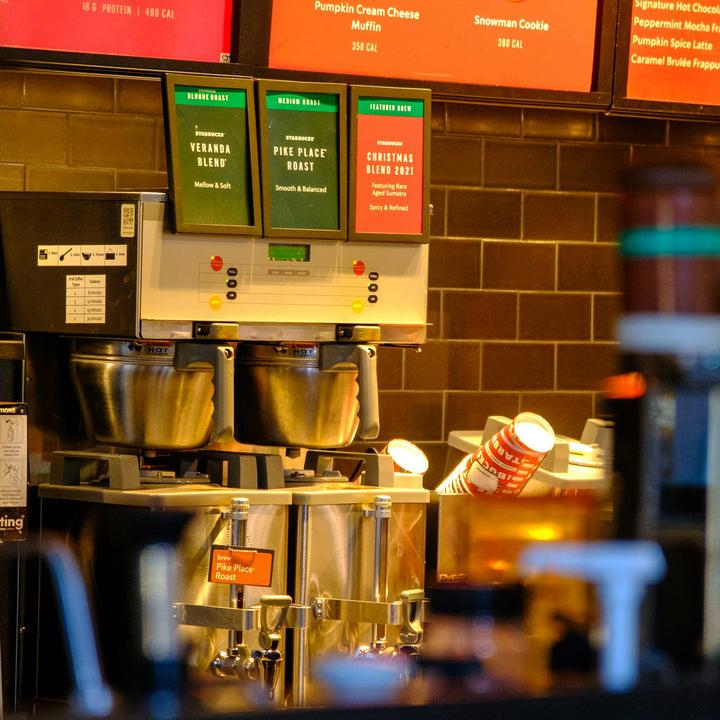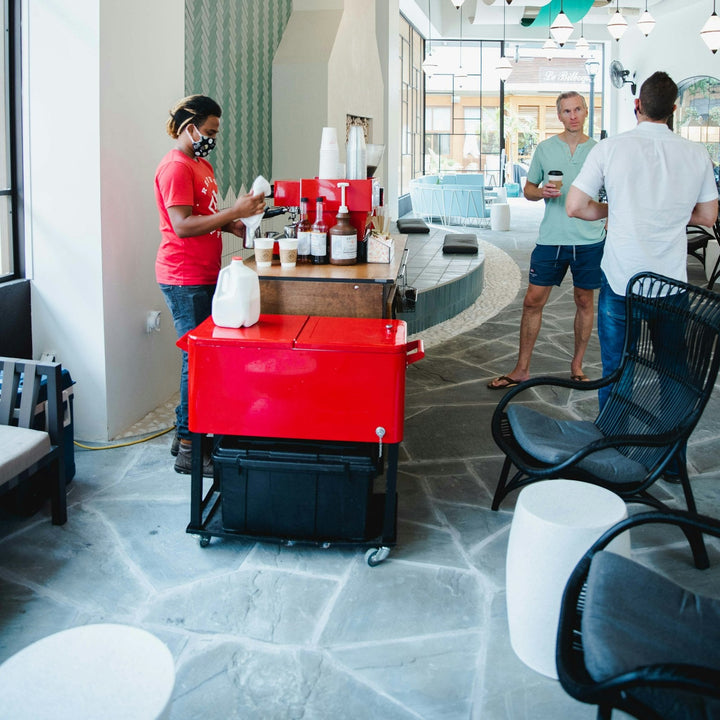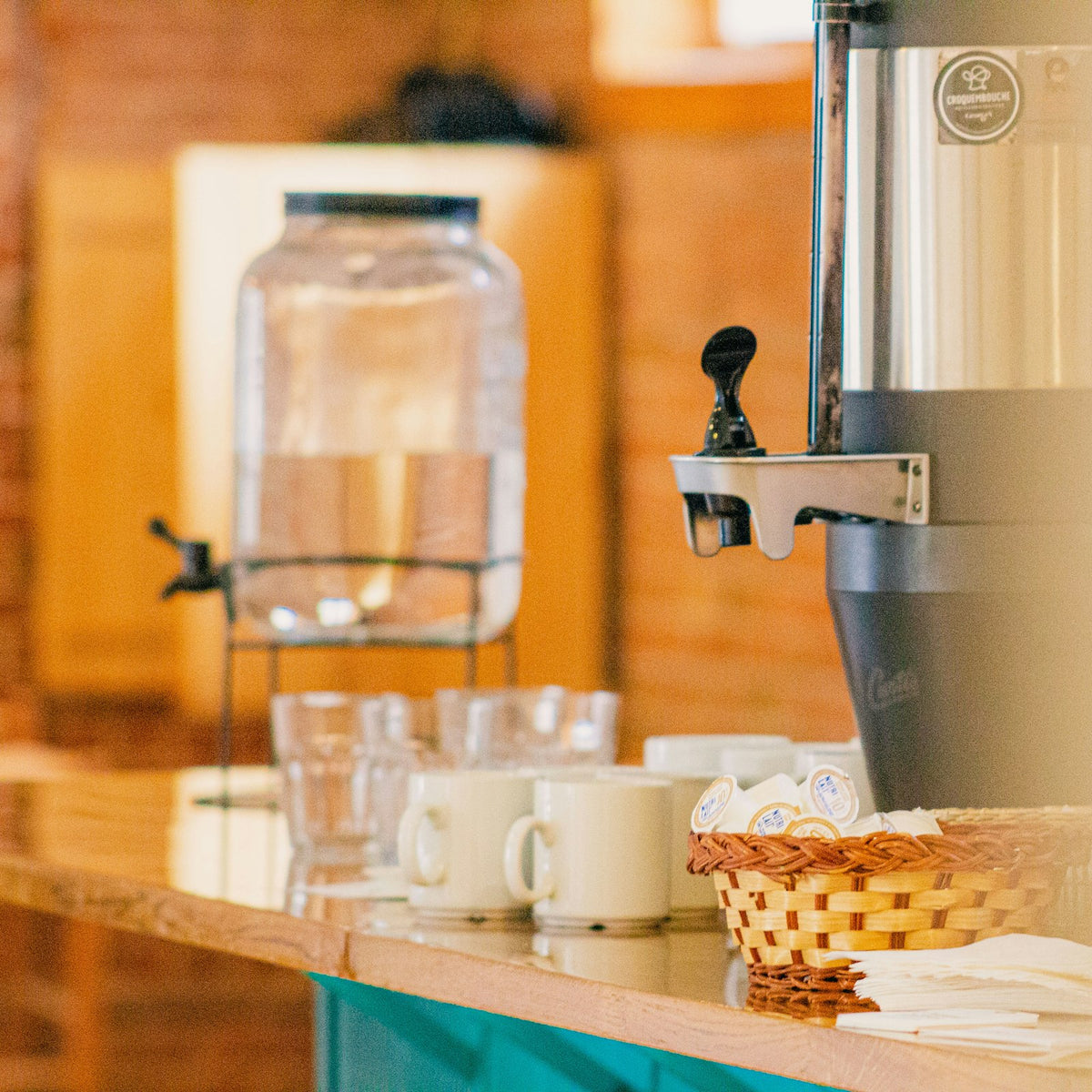
Brew so the last cup out of the urn is poured within about an hour of the brew finishing, which for most churches means two smaller brews rather than one big one before the doors open. Brewed coffee holds about thirty minutes on a hot plate and about an hour in an insulated airpot before it starts tasting like the container instead of the coffee. A church coffee window is roughly ninety minutes. Those two spans do not fit inside each other, and that is why the cup somebody picks up on the way out tastes nothing like the one poured at the start.
Key takeaways
- Coffee holds about thirty minutes on a hot plate and about an hour in an insulated airpot, so your start time is set by when the urn empties, not when it fills.
- Pick the moment the last cup gets poured, subtract about an hour, and start there.
- Back-to-back services are two windows, not one long one, and each wants its own brew.
- If one urn has to cover a three-hour window, changing coffee will not fix it. That is a scheduling problem.
How long does coffee hold in an urn?
About thirty minutes on a hot plate, and about an hour in an insulated airpot. We publish those same two numbers for the restaurants we supply, because a kitchen brewing a full batch at five and pouring it at nine is the most common reason a restaurant's coffee is bad. A church kitchen is the same machine on a different clock. After that hour the heat keeps working on what is in the pot, the body thins, and the bitterness that shows up is a holding problem rather than a roast problem.
Why work backward from the last cup?
Because the first cup is never the problem. The cup that decides what people think is the one somebody carries out at the end, and that cup is the oldest thing on the table.
So start from the wrong end on purpose. Find the time the last person realistically takes a cup, subtract about an hour, and that is your brew. Between 30 and 40 percent of adults present will take a cup, a share that climbs in winter and falls once it gets hot, and the volume arithmetic for your attendance and your urn size turns that into pounds. What it does not tell you is when to press the button. Those are separate questions with separate answers.
What changes when services run back to back?
Everything, and this is the case most churches get wrong. Two services forty-five minutes apart are two demand spikes with a trough between them. One urn brewed once at seven covers the first spike properly and hands the second one hour-old coffee.
The fix is not a bigger urn. A 100-cup urn serves about sixty people at the eight-ounce cup most churches actually pour, so sizing up buys volume and costs freshness. That is the wrong trade for a room that empties and refills. Brew to the first service, then brew again while that service is still in the room.
Here is where I would rather lose the sale than be useful for one Sunday — if your building runs one continuous three-hour window and one urn has to cover all of it, a better coffee will not save the last cup and neither will we. Buy a second airpot before you change suppliers.
Does it matter that the coffee was ground on Wednesday?
Less than the hour it spends in the urn — and that surprises people. We roast to order every Wednesday and grind free to whatever you brew on, and for a church that is the right call: it takes the grinder out of the kitchen, so nobody sets it wrong at seven on a Sunday. Ground coffee does give up aroma faster than whole bean, and we still recommend it here.
We give cafes the opposite advice for the same reason. On an espresso bar, coffee ground forty minutes away on Wednesday is worse than coffee ground on their own burrs thirty seconds before the shot, so we talk them out of the free grinding. The difference is the equipment and who is standing at it. An urn does not reward a fresh grind the way a portafilter does, and a volunteer who has done this twice does not need one more dial to get wrong.
What does move the cup is dose. The commonest error in a church kitchen is underdosing, because somebody is being careful with the congregation's money, and weak coffee saves nothing when people pour half of it out. Use the full amount for the full urn and get the ratio right once rather than every week.
Then write the start time on the card in the cabinet as a clock time, not as an instruction to come early. The volunteer you trained in February will be gone by June. The hour will not.
We supply churches on a standing order, delivered and ground for the urns and airpots you already own. Send us your urn or airpot model and we grind coarser to suit it at no charge. Start with coffee for churches, or read the rest of the church coffee guides if you are still working out what your Sunday needs.