What Zoning Does a Coffee Roastery Need?
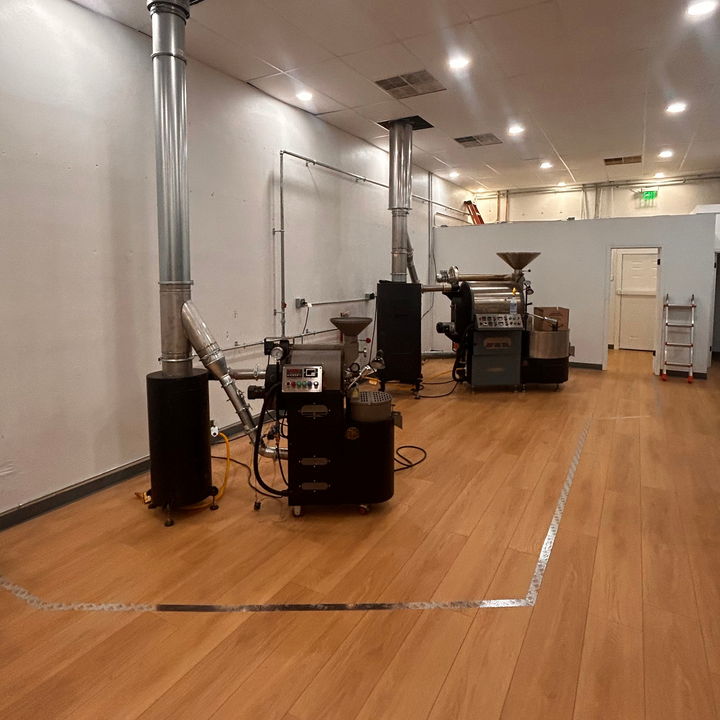
Roasting is a manufacturing use, which rules out most storefronts before rent ever comes into it. What the land-use table decides, what the building code calls a roast...


Your cart is empty
Roast levels explained for coffee drinkers, and practical guides for anyone starting to roast: green coffee, batch sizes, permits, ventilation and scaling up.
22 articles
Roasting is a manufacturing use, which rules out most storefronts before rent ever comes into it. What the land-use table decides, what the building code calls a roast...
The oil on a dark bean was inside the seed all along. What pushes it out, and why a sheen tells you how long the coffee has been sitting rather than how it was roasted.
Florida lets you roast at home and sell without a permit, and the exemption ends at the first wholesale order. What the state permit, the FDA registration and the cott...
The bitterness in robusta arrives in the seed rather than in the roast. What that means for a small roaster deciding whether to buy a lot, and the cheapest honest way ...
The papery flecks in your cooling tray are silverskin, the one layer of the coffee fruit that travels all the way from the farm to the roastery. Here is what it is mad...
A full bag of green coffee is 132 to 154 pounds depending on the country it grew in, and the boxes below it start at 22. Here is the whole purchase ladder, rung by run...
Most drums keep roasting down to about a third of capacity. What decides your minimum batch is what the hour costs, not the heat. A roaster works through both.
The browning reaction needs a sugar and an amino acid, and what it leaves behind is not caramel. What is actually in a green coffee seed, what survives the roast, and ...
Decaf is harder to roast because the seed was processed a second time before it reached you, and that pass took density and structure out of it. Royal Coffee and Sweet...
A roast curve records what one drum did on one day. When the production roaster is not yours, the thing you hand over is a specification instead.
Eight sources publish eight different rest windows, from 12 hours to past two weeks, and three of them blame roast level while disagreeing about which direction it run...
One word covers a building approval and an air permit, and they aren't issued by the same office or measured in the same way. Here's what each one asks about your roas...
You've outgrown your roaster when your monthly volume needs more roast hours than your week can hold. Here is how to compute that threshold from two numbers you alread...
Green coffee keeps about a year from harvest, and the ceiling is not the number you need. The useful answer is a quantity: how much green you can finish before the win...
Federal law requires three things on a bag of coffee, and a fourth once it has more than one ingredient. 21 CFR 101.5 names three roles, and one of them is built for t...
A light roast comes off the roaster just after first crack, and it is not stronger: a 2024 study measured 134 to 165 mg of caffeine at every roast level.
Drying, Maillard browning, first crack around 196 to 205C, development, then cooling. The roast stages, temperature ranges and equipment explained.
The Inheritance Coffee Lab membership gives new roasters roasting time, roast profile help, sourcing guidance and events without buying a roastery.
Green coffee is the raw, unroasted seed. How moisture and bean density shape a roast, how to store it, and why the weight loss claims do not hold up.
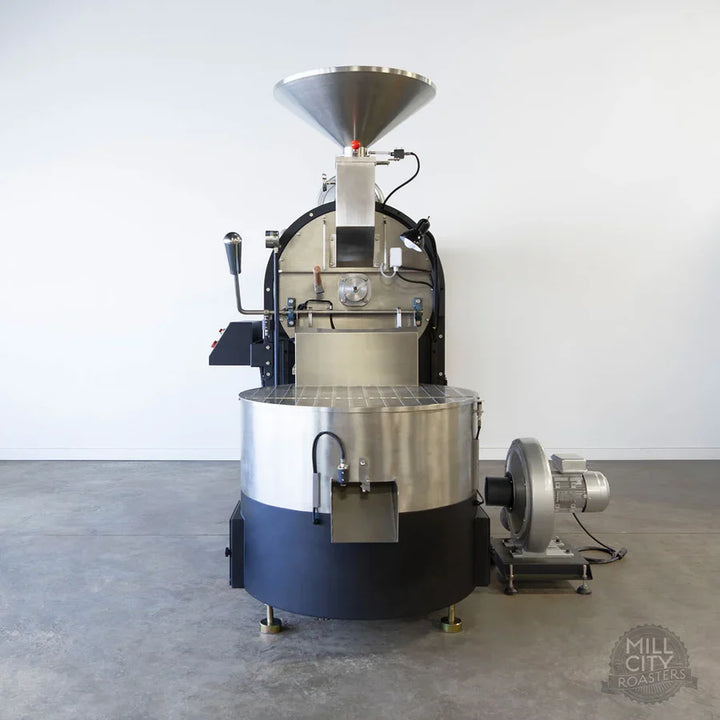
Book an hour on the Mill City MCR-15, a 15 kilo automatic roaster that turns out 100 pounds an hour. How to plan the session and what to record.
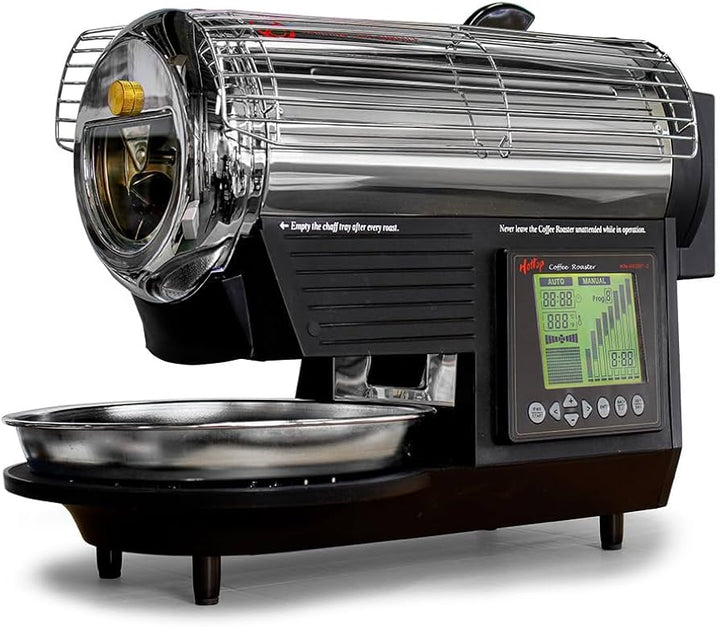
Rent the Hottop for 150 gram sample roasts. Semi programmable, so you can test green lots and log roast curves without buying a production drum.
Light roasts hold onto the bright acidity, floral aroma and fruit the bean came with. Medium roasts trade some of that for body and balance. Here is what separates the...