What Does Malic Acid Taste Like in Coffee?
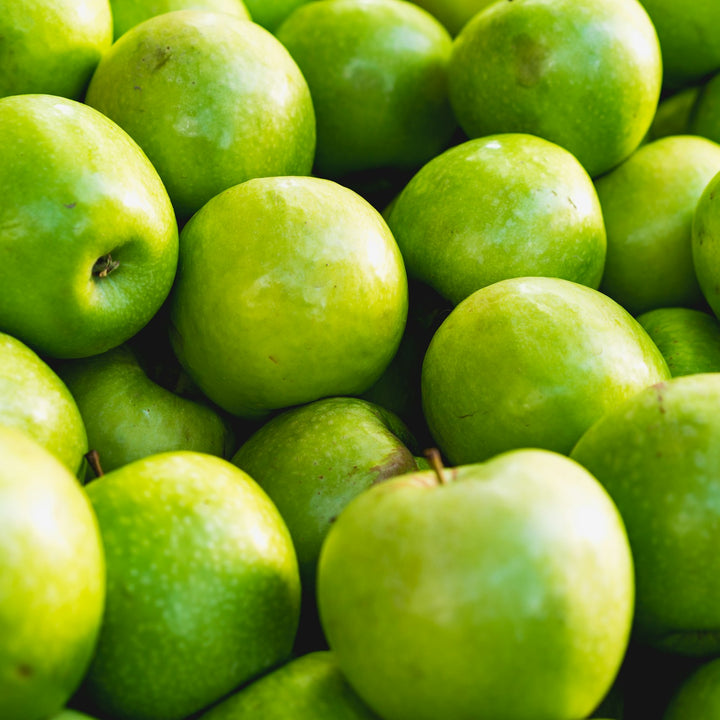
Citric acid flashes and fades. Malic acid, the slower acid altitude builds into high-grown lots like Kenya Kiambu, coats the tongue and lingers for up to thirty seconds.


Your cart is empty
What you are tasting and why: acidity, body, tasting notes, cupping scores, and the coffee culture around us on the Gulf Coast.
22 articles
Citric acid flashes and fades. Malic acid, the slower acid altitude builds into high-grown lots like Kenya Kiambu, coats the tongue and lingers for up to thirty seconds.
A clean cup has nothing to do with how sanitary the kitchen is. It's what's left after quakers, broken beans, and fermentation faults get caught before the roast.
A Tufts study of federal survey data found the calories Americans add to coffee rose from 43 to 60 a day between 2003 and 2018, with nondairy creamer behind most of th...
Pan Wei, competing for China, won the 2026 World Barista Championship at World of Coffee Panama on 25 October, World Coffee Championships announced. Shing Win of Malay...
ASCENT, our 50/50 Kenya-Ethiopia blend, cups at 92.3 against Kenya Kiambu's 91.5. Here's what that does, and does not, prove about blends versus single origin coffee.
We checked our own shelf: a cup score tracks a trained panel's scorecard, not the price we paid for the green coffee. The two don't move together in either direction.
What actually causes a coffee's aftertaste, how the cupping form scores it, and why roast level and brew method change what lingers after you swallow.
Chlorogenic acid makes up a large share of green coffee. Roasting breaks down nearly 90 percent of it into lactones, quinic acid, and bitterness compounds.
Why does coffee taste like fruit when nothing fruity is in the cup? The answer is retronasal smell, the mechanism most tasting notes never actually explain.
Strength isn't roast level or caffeine content. It's the ratio of coffee to water. Here's what actually sets how strong a cup tastes.
A focus-group study of 23 Slovenian 18- to 27-year-olds, published in Frontiers in Sustainability on 27 July 2026, found sustainability worked as an aspiration while c...
Body is what a coffee feels like rather than what it tastes like, and it is almost never thickness. Here is what the measurements actually show, and the two levers tha...
The dry, puckering finish in a cup is not a taste at all. Here is the mechanism, the compounds roasting builds, and what to change at the brewer.
Malic acid is really in the cup, and measured against its own detection threshold there is usually too little of it to pick out. Where it comes from, why it got the ap...
Green coffee barely smells of anything. Roasting builds the whole aroma from scratch, and it does it along four unrelated chemical routes. Which precursor becomes whic...
A tasting note is not an ingredient list. It is a set of words a roaster picked after tasting the coffee, drawn from a vocabulary somebody wrote down in advance, and i...
A cup score is the arithmetic total of a scorecard, and the SCA replaced its scorecard in 2024. Here is what the number is actually measured against, and what our own ...
Low acid coffee describes how a cup tastes, not a lower pH. Measured brewed coffee lands between pH 4.85 and 5.13, so here is what actually moves acidity.
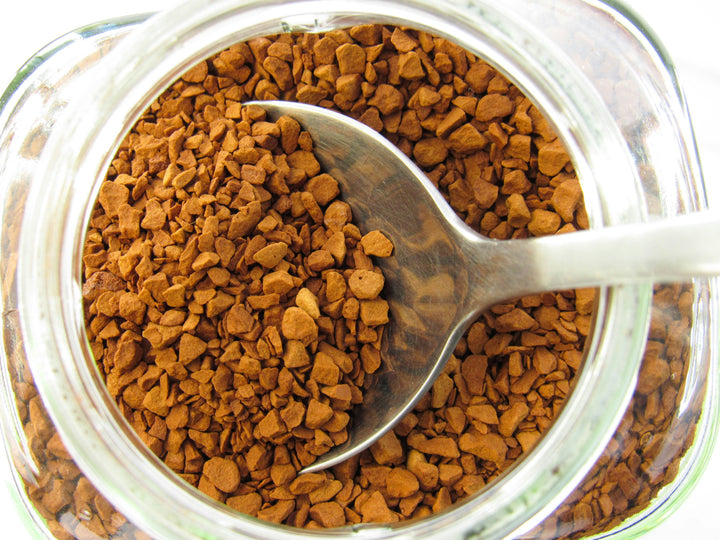
Instant coffee is brewed at industrial scale, frozen, then freeze dried under vacuum so the ice turns straight to vapour. The extraction yield is where the taste is de...
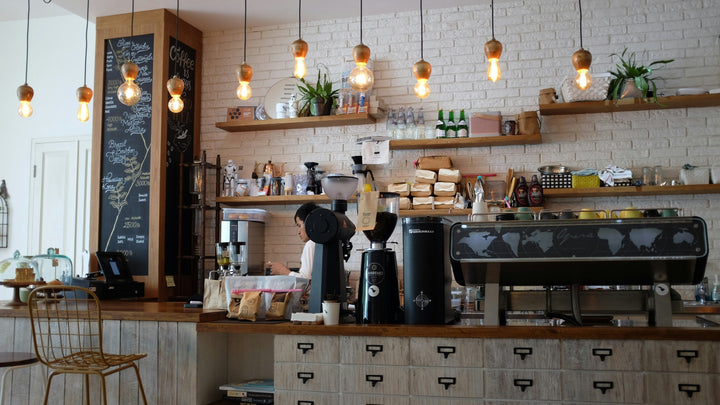
In this complete guide, we’re highlighting the most notable Pensacola coffee roasters—the names behind the beans that are fueling you.
Matcha is more than just a trendy health drink or stylish coffee alternative. Its origins reach back nearly a thousand years, to a time of emperors in China and samura...
Whether you're a local or just passing through, here are our picks for the best coffee in Pensacola, each with its own personality and flavor. From cozy neighborhood h...