Most people hear "clean cup" and assume it's about sanitation: a tidy kitchen, a well-rinsed cupping room, washed hands before service. It isn't. A clean cup is coffee that reaches the table with nothing fighting the flavor underneath it: no mold taint, no rotten or over-fermented note, no sharp off-flavor riding along from one broken or defective bean mixed in with the good ones. A clean cup can come out of a dirty kitchen, and a dirty-tasting cup can come out of a spotless one. What actually separates the two is everything that happened to the beans long before either kitchen came into it.
What Does "Clean Cup" Actually Mean on a Cupping Table?
On the scoresheet a cupper actually fills out, clean cup is its own scored line, separate from acidity, sweetness, and body. Sweet Maria's glossary entry on the term states it plainly: a clean cup is "a coffee free of taints and defects," and the entry is specific that this "does not imply sanitary cleanliness." What it does mean is the absence of hard, fruity-fermenty, or certain earthy off-notes in the cup itself. A cupper is not asking whether the sample table was wiped down. They are asking whether anything in the bean's own history left a flavor that does not belong there.

That is a narrower claim than most people assume the word is making, and it is worth holding onto exactly because it is narrow. A coffee can be perfectly clean and still be unremarkable, and a coffee can carry a loud, interesting flavor and still fail clean cup if that flavor traces back to a fault rather than to the fruit, the process, or the roast.
What Actually Keeps a Cup From Being Clean?
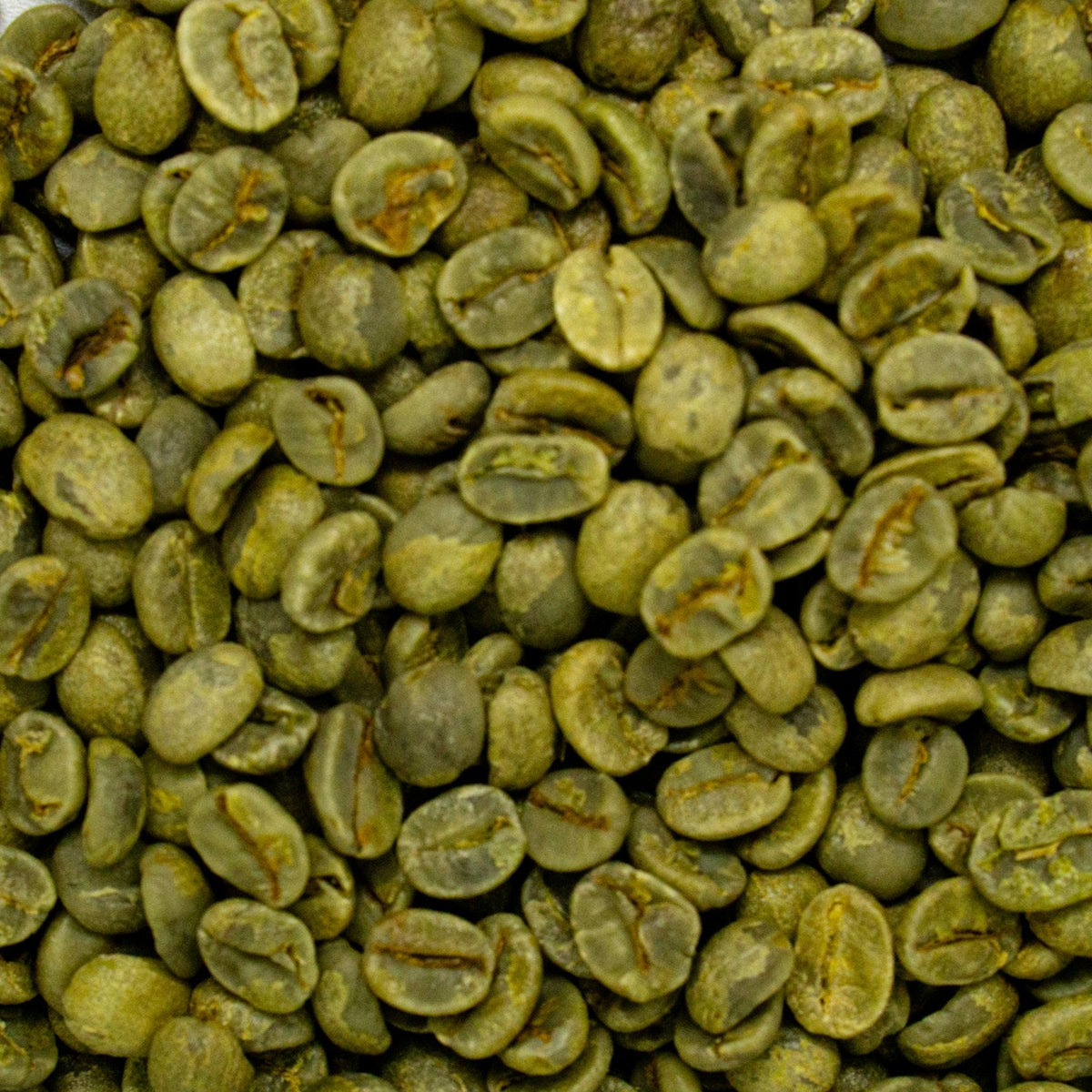
Most of the time, it is something that happened before the coffee ever reached a cupping bowl. A quaker, an underripe or defective bean that never developed the sugar the rest of the batch did, roasts pale and tastes papery or peanutty next to its neighbors, and one or two in a dose is enough for a trained cupper to catch. A broken or chipped bean scorches faster than a whole one in the same roast, and that scorch shows up as a sharp, ashy note. We wrote recently about how far this can go on wet-hulled coffee, where parchment is hulled while the bean is still soft and swollen, and the extra handling leaves it with more chips and split faces than a washed lot of the same grade. On those lots we hand-sort harder before roasting for exactly this reason, pulling out the most damaged beans and quakers, because a handful of broken fragments scattered through a batch is enough to show up as sharp, ashy notes in an otherwise heavy, clean cup.
Fermentation faults are the other main route in. A process run too long, too warm, or with sloppy tank hygiene can tip a cup from a pleasant, fruit-forward acidity into something that reads as vinegary or outright rotten, which is a defect rather than a style. The line between the two is not always obvious from the outside, and it is one reason the same processing method can produce both a competition-winning lot and a genuinely faulty one.
You do not need a cupping form at home to notice most of this. A quaker-tainted cup tends to read thin and papery against the rest of the pot, more like cardboard than coffee. A scorched or broken bean shows up as a sharp, ashy bitterness that sits on top of the cup rather than inside it, different from the clean bitterness of a dark roast done on purpose. A fermentation fault reads as sour in a way that does not resolve the way a bright, citric acidity does, closer to vinegar than to fruit. None of those three need special training to taste. They need a second cup, poured side by side, to notice.
Is a Clean Cup the Same Thing as a Boring One?
Not on a cupping table, though the word gets used a second, different way in home brewing that is worth separating out so the two do not get confused. CoffeeGeek's Natia Simmons has argued against treating a perfectly clear pour-over as the goal, on the grounds that the fine grounds and oils a very clean filter strips out, what she calls the "sludge," can add real depth and texture to the cup. That is a genuine point, and it is not a disagreement with the cupping-table definition above. Simmons is talking about mouthfeel and clarity in the finished brew, a brewing-method choice. The cupping-table sense is talking about whether the bean's own history left a fault in the flavor. A coffee can be cupping-table clean and still be brewed through a filter clean enough or loose enough to carry some of that texture Simmons is describing. The two words happen to be the same; the things they are measuring are not. Our own piece on what a coffee cupping score actually measures covers the scoresheet side of that table in full; clean cup is one line on it, not the whole form.
What Actually Buys a Clean Cup at a Small Roastery?
Labor, mostly, and it is not free. Hand-sorting a batch of green coffee before it goes into the roaster, pulling quakers and visibly damaged beans one at a time, is slower than running the batch straight through, and every bean pulled out is a bean we paid for and will not sell. On a wet-hulled lot that needs more of it, that cost is real enough to show up in what the coffee has to be worth to us before we buy it. We still do it, because a batch that goes into the drum with a handful of defective beans scattered through it comes out with that defect baked into every cup it makes, not just the ones that happened to get a bad bean in the dose.
That sorting is not a guarantee, and I would rather say so than oversell it. A hand sort catches most of what would ruin a cup. It does not catch all of it, which is the honest reason we still cup and score every lot before it earns a spot on the shelf rather than trusting the sort on its own to have done the job.
Which of Our Coffees Shows a Clean Cup Most Clearly?
Washed processing removes one whole category of fault risk before the cup ever reaches a scoresheet, because the fruit and mucilage are stripped off the bean early rather than left to ferment against it for days. Our Kenya Kiambu, cupping 91.5, is washed, and it is the clearest example on our own shelf of what that buys: a cup built on the bean and the process rather than on a fermentation call that could have gone either way. Washed is not a guarantee either; a washed lot can still carry a quaker or a scorch like any other. It just starts the race with one fewer way to lose. If you want more on where a coffee's flavor comes from beyond this one line on the scoresheet, our taste and culture collection covers the rest of the table.
Taste a cup built to start clean. Our washed Kenya Kiambu cups at 91.5 and ships whole-bean or ground to order, roasted in Pensacola every Wednesday.