Wet-hulled coffee is sold wet on purpose, and that one choice is the real source of its mold risk. In most of the coffee world, parchment dries for weeks before anyone touches it again. In North Sumatra, Mandheling and Gayo farmers pull the parchment off the bean at 35 to 45 percent moisture, days after picking, because waiting out a conventional slow dry in a climate that rains most of the year is not realistic for a smallholder who needs the cash now. A 2004-05 field trial on that exact practice, run by a coffee process specialist working with Indonesia's own coffee research institute, measured what happens next: how fast mold moves into wet-stored parchment, how much of it turns into the toxin regulators actually track, and how many days a farmer or collector has before that risk stops being theoretical.
Why Hulling Wet Exists in the First Place
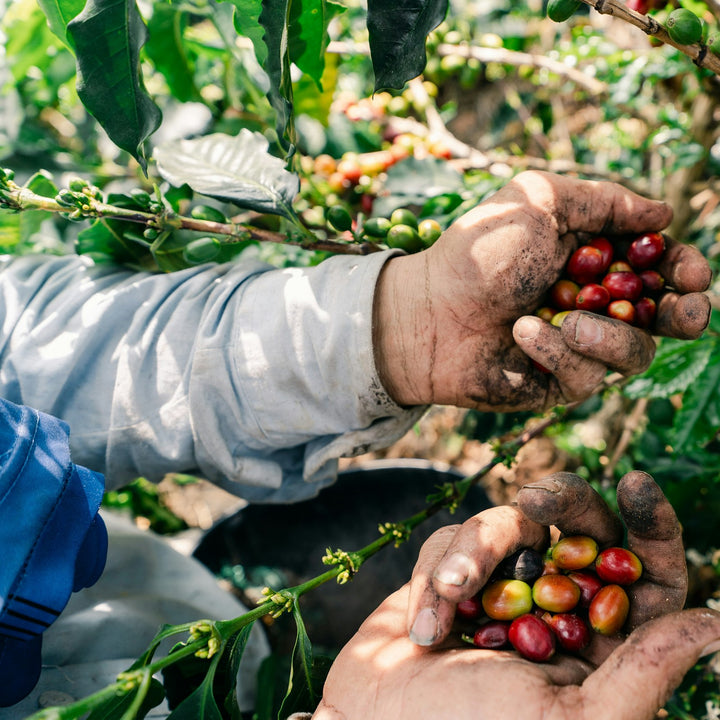
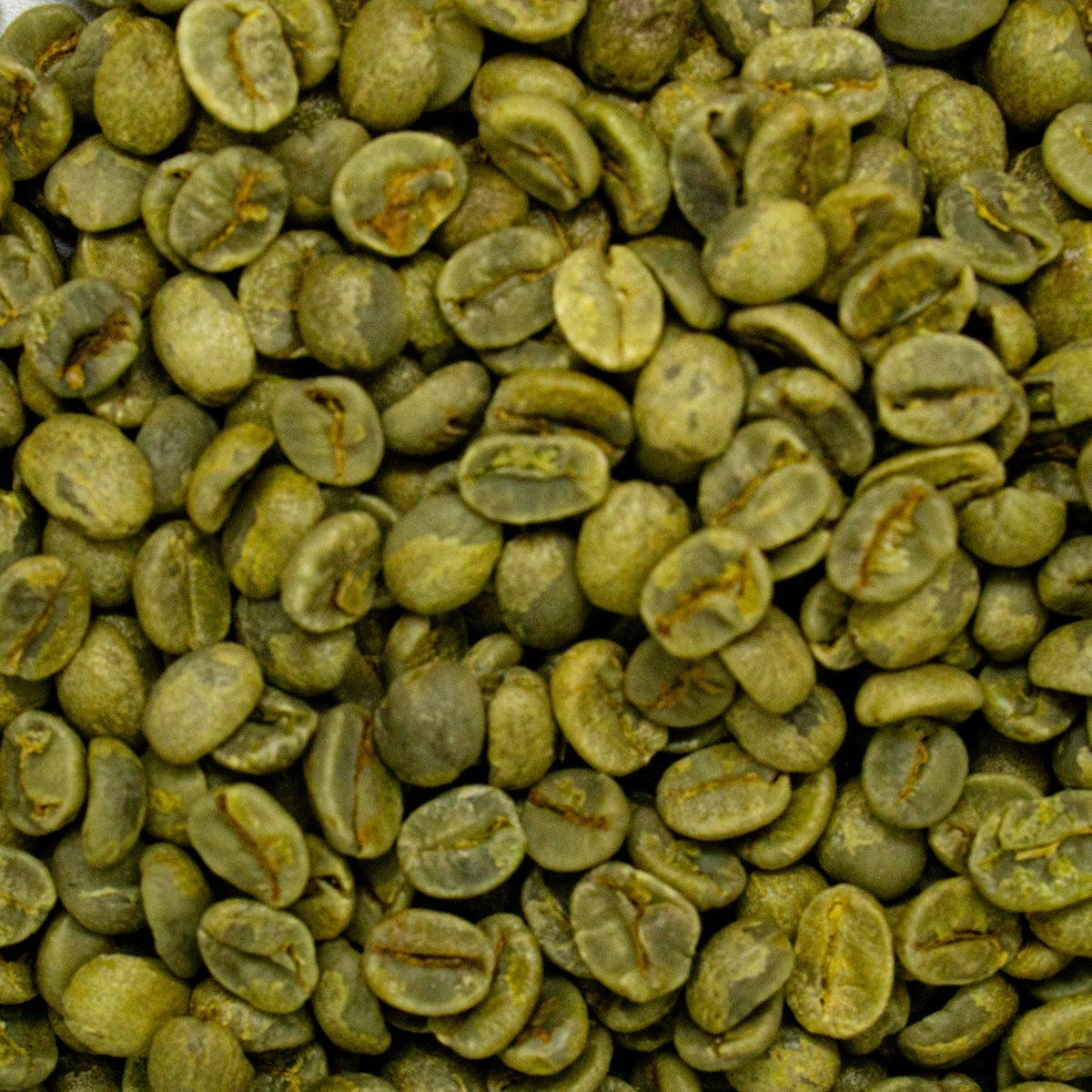
The islands that grow Mandheling, Gayo, and Lintong coffee sit on the equator, where humidity rarely drops low enough for parchment to dry all the way to export moisture in the open air. Smallholders, most working a plot of an acre or two, also cannot afford to sit on unsold cherry for a month while it dries slowly inside its parchment shell. So the sequence inverted: pulp the cherry the same day, let the sticky parchment coffee rest and loosen overnight, give it a short first dry, and sell it on to a collector or mill while it still holds roughly 30 to 50 percent moisture. The mill strips the parchment off a bean that is still soft and swollen, then spreads the naked green coffee back out to finish drying on its own. The visible result is the dark, bluish-green, slightly matte bean that experienced buyers recognize as Sumatran on sight, and in the cup it mutes acidity and adds weight.
What a Real Trial Measured, Lot by Lot
That inversion also means wet parchment sometimes sits in sacks or on mill floors before it gets hulled, and nobody had put real numbers on what that wait costs until a 2004-05 trial run under the FAO/CFC/ICO coffee quality project, working with Indonesia's Coffee and Cocoa Research Institute (ICCRI) in Jember. The trial modified a Kemajuan screw huller normally built for 1 ton of dry parchment an hour, swapping its steel hulling bar for rubber and raising the motor from 15 to 25 horsepower, so it could hull parchment at 800 kilograms of wet green bean an hour without crushing it. Six lots of real Mandheling parchment, each starting between roughly 42 and 49 percent moisture, were split and held wet for 1, 7, or 14 days before hulling, then dried either straight to 12 percent or partway to 17 percent and finished later.
The protocol behind those lots is worth spelling out, because it is the clock the rest of this article runs on. Cherry was picked and pulped on day one, and the pulped, mucilage-covered parchment sat overnight, loosening the fruit residue still clinging to it. On day two the parchment was washed and given a half-day skin dry in the sun, then collected that same afternoon and split into the storage groups. Everything downstream, the mold timeline, the toxin numbers, the cup scores, is measured from that point forward, which is also the point at which a real Sumatran mill or collector is making the same decision: hull this now, or let it sit while more cherry comes in from the field.
How Fast the Mold Risk Actually Builds
The numbers are specific enough to plan around, not just a general warning. Visible black spots started showing up on wet parchment between day 3 and day 7 of storage. By day 14, five of the six lots had picked up ochre-group fungi, including Aspergillus ochraceus, one of the molds that produces ochratoxin A (OTA), a toxin that survives roasting and that the EU caps in roasted beans. None of the shorter-storage lots showed it. Across 42 green samples pulled from the trial, OTA turned up in seven, at 0.07 to 2.24 parts per billion, and four of those seven traced back to the 14-day lots. The trial's own authors called those levels tolerable, not alarming, but the pattern is the point: the toxin risk is a function of days, and the days a mill or farmer has before it starts showing up are closer to three than to thirty.
One Trial, Not Every Hillside
It is worth being precise about what that trial does and does not cover, because Sumatra is not one coffee region. The 2004-05 work sat with Mandheling and Lintong coffee grown around Lake Toba in North Sumatra. Our own Ribang Gayo lot comes from the Gayo highlands of Aceh, several hundred kilometers north, where altitude and rainfall patterns both run differently, and where farmers use the same giling basah sequence but not necessarily the same mill timing, storage habits, or cooperative structure the trial measured. The wet-hulling mechanic, pulp the cherry fast, hull the parchment wet, finish the bean exposed, is shared across Toba, Aceh, the Toraja highlands of Sulawesi, and Flores. The specific numbers in this article, the day-3-to-7 mold onset and the 0.07 to 2.24 ppb OTA range, are Mandheling numbers from one set of mills in one trial, not a verified figure for Gayo coffee or for any other wet-hulled origin. Treat them as the best measured picture of the mechanism available, not as a lab result for the particular bag of coffee on our shelf.
Where the General Mold Mechanism Comes From
None of this makes wet-hulled coffee uniquely dangerous. Across all coffee processing, not just Indonesia's, the drying stage is the highest-risk window for OTA-producing mold, because freshly pulped or freshly picked coffee gives Aspergillus and Penicillium species a sugar-rich substrate to work with in the first several days before moisture drops far enough to starve them out. Barista Hustle's explainer on ochratoxin A walks through that general mechanism well, including why fully washed coffee, which strips the fruit pulp away before drying even starts, tends to run a lower baseline risk than natural or pulped-natural lots. What the Sumatran trial adds isn't a new mechanism. It's the only measured timeline we've found for the specific, deliberate choice of hulling at high moisture and letting the bare bean finish drying exposed, which is a step most of the rest of the coffee-growing world simply doesn't take.
What the Extra Days Cost in the Cup
The trial didn't only look at safety. Longer wet storage also raised musty and sour flavor risk in the cup, and slow or whole-parchment drying tracked with higher acidity than tasters wanted in a Mandheling. The lot stored only 1 day and dried straight to 12 percent was rated best for classic Mandheling character more often than any other process in the trial, though the taste panel's agreement was far from unanimous, and the report itself is honest that exactly which variable drives that character is still not settled. That uncertainty is worth sitting with: a processing tradition that predates the trial by decades, and a carefully controlled trial built specifically to test it, still can't fully explain why Sumatran coffee tastes the way it does. They can only tell you that moving fast helps, both for safety and for flavor, and that the two are not in tension here the way they sometimes are elsewhere in coffee.

What It Means on Our Roaster
That extra handling does not end when the green coffee lands in Pensacola. Wet-hulled beans arrive with more chips, cracks, and split faces than a washed lot of the same grade, a direct fingerprint of hulling a bean while it is still soft, and every one of those broken beans roasts a little faster and a little darker than a whole one sitting next to it in the drum. We hand-sort harder on wet-hulled Sumatras before they ever hit the roaster, pulling out the most damaged beans and quakers, because a handful of broken fragments scattered through a batch is enough to show up as sharp, ashy notes in an otherwise heavy, clean cup. It is more labor per pound than a tidy washed Guatemala, and it is one more reason wet-hulled lots cost more to turn into a bag of coffee than their green price alone would suggest.
Why We Still Buy It
I buy wet-hulled Sumatra coffee knowing it is the highest-handling green coffee that comes through our roastery. It needs to move faster at origin than a washed Central American lot, it needs more hand-sorting once it lands here because wet-hulled beans chip and crack more easily under the huller, and it is simply less forgiving of a slow mill or a rushed collector. I buy it anyway because nothing else on the shelf gets to that heavy, cedar-and-dark-chocolate weight the same way, and because a cup like our Ribang Gayo, which scored 89.5 on our own table, is the kind of coffee that makes the extra handling worth explaining rather than hiding. The concession is that the Ribang Gayo lot itself is sold out as of this writing. That is not a sign we quietly dropped it. A wet-hulled lot like this one does not repeat exactly from harvest to harvest, and we would rather sell through a crop honestly and go find the next one than stretch it with a lower-scoring filler just to keep a listing live.
If you buy wet-hulled coffee yourself, whether as a home roaster or another shop sourcing direct, the trial's own framing is the question worth asking an importer: how many days did this lot sit as wet parchment before it was hulled. It is not a question most sourcing sheets answer on their own, and it is a more useful number than moisture percentage alone, because moisture tells you where the bean ended up and storage time tells you what it went through to get there. A lot hulled on day one and a lot hulled on day fourteen can land on your sample table at the same final moisture and the same grade, and still carry very different risk behind them.
If you want to see what is currently in stock from the region while our next Gayo lot comes in, our Indonesia collection is the place to check.