Costa Rica's coffee growers say the strong colón is now cutting into farm jobs, and the president of the board of the Costa Rican Coffee Institute (ICAFE), Fernando Naranjo, told The Tico Times in a report published on 7 October 2026 that the exchange rate has hurt his coffee business more than the pandemic did. "It has been more catastrophic for us, the exchange rate, than Covid," Naranjo said. Coffee is sold abroad in dollars, while wages and most farm costs are paid in colones, so every dollar a grower earns now buys fewer colones of labor.
What are growers saying about the exchange rate?
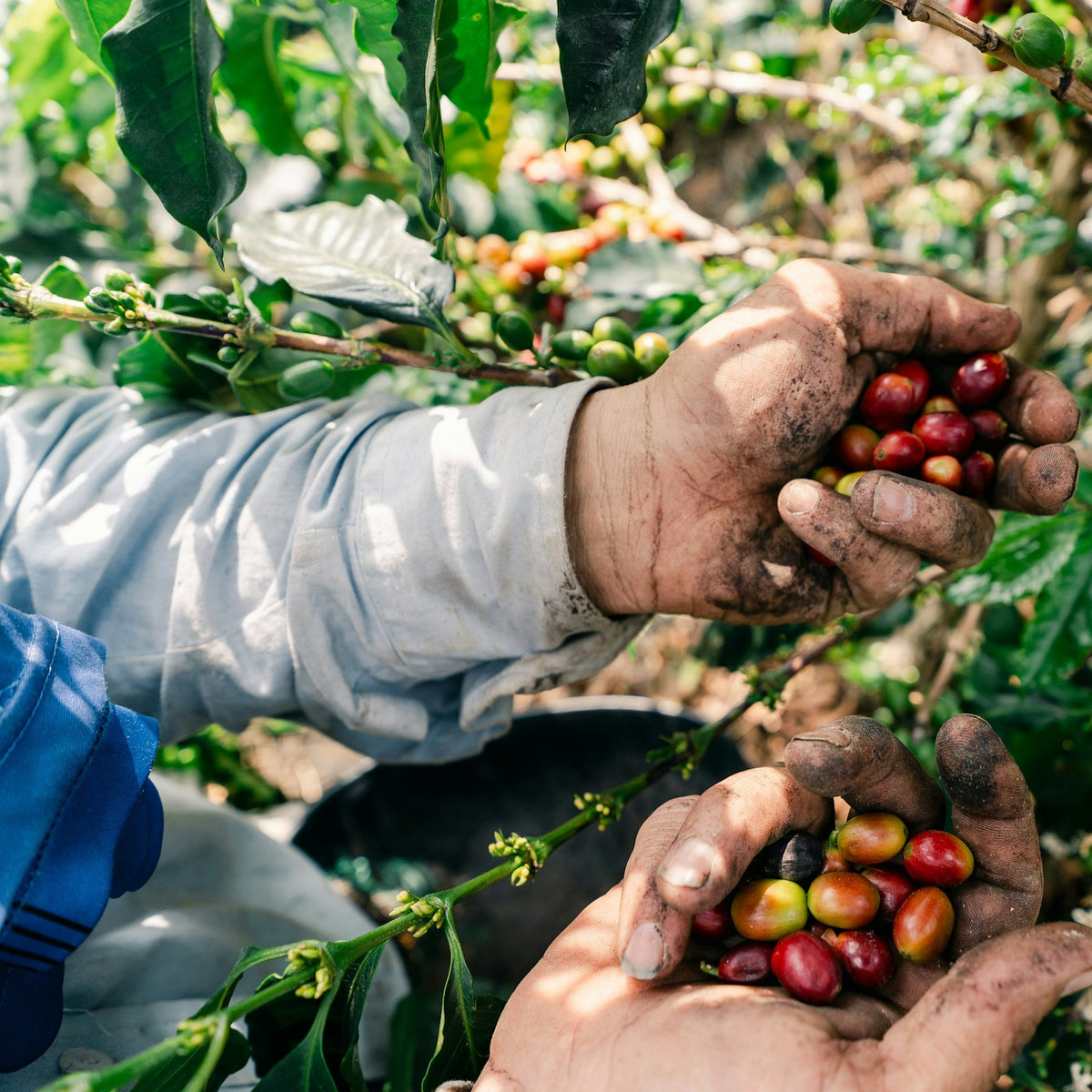
Naranjo told The Tico Times on 7 October that growers are now receiving roughly ¢30,000 less per fanega, the volume measure Costa Rica uses to pay for coffee cherry, because of the shift in the exchange rate. He said he has cut staff on his own farms in the Los Santos growing region and replaced some manual work with grass-cutting machines and stationary equipment. The same report says ICAFE officials have also warned of a shortage of pickers as younger Costa Ricans leave farm work.
How far has the colón moved?
The Central Bank of Costa Rica's reference rate stood at ¢453.46 for buying and ¢457.80 for selling on 7 October 2026, as reported by The Tico Times. An ICAFE analysis cited in the same article puts the average rate at about ¢650 per dollar in the 2021-22 coffee year and about ¢510 in 2024-25. Set side by side, those figures mean a dollar of coffee sales that bought about ¢650 of wages in 2021-22 bought about ¢455 on 7 October, roughly 30% less.
ICAFE has measured the cost before. Semanario Universidad reported on 2 February 2024 that ICAFE attributed 63% of growers' losses over the two previous harvests to the exchange rate, or ¢19,306 per fanega, and The Tico Times gives the same ¢19,306 figure for ICAFE's 2024 calculation, which it says covered 26,725 producers.
What does ICAFE project for the 2026-27 harvest?
ICAFE's forecast for the next harvest sets the strong colón against falling arabica prices. La Nación reported on 13 March 2026 that the institute projected a 2026-27 settlement price to growers of ¢91,340 per fanega, assuming an exchange rate of ¢450, against a production cost of ¢107,630 per fanega on a farm yielding 20 fanegas per hectare. Teletica reported the same two figures on 26 February 2026. On ICAFE's own numbers, that forecast leaves a grower about ¢16,000 short on every fanega before any profit. The ¢450 rate was an assumption when ICAFE made the projection; the central bank's reference rate on 7 October 2026 was within a few colones of it.
La Nación also reported that Marco Araya, head of economic studies at ICAFE, described the problem as a grower who sells in dollars but settles in colones and loses his margin in between.
- ¢30,000 less per fanega: Fernando Naranjo, ICAFE board president, to The Tico Times, 7 October 2026
- ¢453.46 buying, ¢457.80 selling: Central Bank of Costa Rica reference rate, 7 October 2026, via The Tico Times
- ¢91,340 per fanega projected for 2026-27 at ¢450 per dollar: ICAFE, via La Nación, 13 March 2026
- ¢107,630 per fanega production cost: ICAFE, via La Nación, 13 March 2026
- 11,901 fewer farm jobs, June to August 2026 against the same months of 2022: INEC, via The Tico Times, 7 October 2026
What is happening to farm jobs?
The National Chamber of Agriculture and Agroindustry estimates that Costa Rica's farm sector has lost about 60,000 jobs since 2022, The Tico Times reported on 7 October, noting that this is an industry estimate rather than an official count. The official figure from the national statistics institute, INEC, is smaller: 11,901 fewer agricultural jobs in June through August 2026 than in the same months of 2022. Óscar Arias Moreira, the chamber's president, told the paper the sector has also seen businesses close and production cut.
Related reporting covers El Niño and the region's drought, Honduras' export year, and why coffee is still so expensive.
Photograph: Felipe Osorio, Unsplash.