Kraft Heinz has agreed to sell its North American coffee business, including Maxwell House, to an affiliate of the private equity firm One Rock Capital Partners. The company announced the definitive agreement on 4 November 2026 and put the enterprise value at $650 million. Kraft Heinz will keep a 30% non-controlling stake in the business it is selling.
The deal covers seven brands, according to the release: Maxwell House, Gevalia, Nabob, Yuban, Tassimo, Ethical Bean and Sanka. Daily Coffee News, which reported the sale the same morning, noted that the company did not disclose the coffee division's revenue or profit in the announcement.
What does One Rock get?
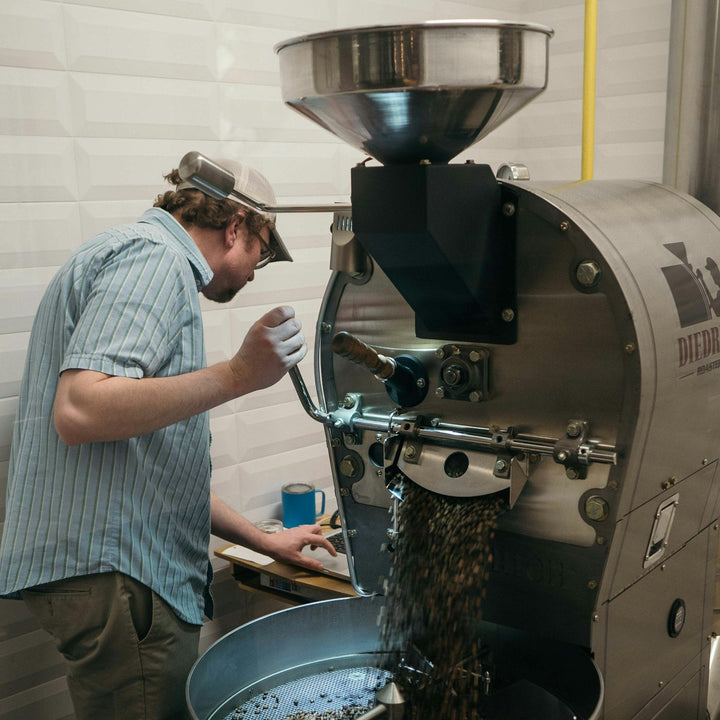
The buyer takes the brands, the customer support and the staff functions needed to run the business, the release said, along with the coffee manufacturing facilities in Jacksonville, Florida, and Vancouver, British Columbia. Kraft Heinz said about 250 full-time employees would move with the business, according to the 4 November release. Jacksonville's local station News4JAX led its coverage on the Maxwell House plant downtown.
Daily Coffee News reported that One Rock bought Nestlé's North American bottled water business in 2021. Tony W. Lee, a managing partner at One Rock, said in the release that the firm intends "to accelerate investment across the brand portfolio to drive growth and innovation, enhance the consumer experience, and strengthen relationships with retail partners."
Why is Kraft Heinz selling its coffee brands?
The company said on 4 November that it expects about $500 million in net cash after taxes from the sale and plans to use it to pay down debt. It also said the deal is expected to add to its growth and margins. Steve Cahillane, the Kraft Heinz chief executive, said the retained stake "reflects the confidence we have in their long-term potential under One Rock's focused ownership."
Daily Coffee News placed the sale inside a longer restructuring. It reported that Kraft Heinz announced a plan in September 2025 to split into two public companies and paused that plan in February 2026, and that the company's 2025 results cited higher coffee costs and falling coffee volumes. Food Dive's Christopher Doering, in a report republished by Yahoo Finance, wrote that Cahillane became chief executive in January and has pledged to focus on categories where the company can grow faster.
The same Food Dive report gave the company's quarterly results, released the same day. Net sales for the third quarter of 2026 fell 2% to $6.12 billion, and sales in North America, its largest region, fell 3.4%, according to that report. Those are figures for all of Kraft Heinz, not for coffee alone.
How big is the price for Kraft Heinz?
The release said Kraft Heinz had about $25 billion in net sales in 2025. On those two figures from the release, the $650 million price is equal to about 2.6% of a single year of the company's sales. Here are the numbers in the announcement and the coverage:
- $650 million enterprise value for the North American coffee business (Kraft Heinz release, 4 November 2026)
- 30% non-controlling stake kept by Kraft Heinz (Kraft Heinz release, 4 November 2026)
- About $500 million in expected net cash after taxes, for debt repayment (Kraft Heinz release, 4 November 2026)
- About 250 full-time employees expected to move with the business (Kraft Heinz release, 4 November 2026)
- $6.12 billion in third-quarter 2026 net sales for all of Kraft Heinz, down 2% (Food Dive, 4 November 2026)
- About $25 billion in 2025 net sales for all of Kraft Heinz (Kraft Heinz release, 4 November 2026)
When does the sale close?
Kraft Heinz said it expects the deal to close in mid-2027, subject to regulatory approval and other customary conditions. Food Dive named Nestlé and J.M. Smucker, the owner of Folgers, among the coffee business's competitors.
Maxwell House and Sanka both sell instant coffee alongside ground coffee; how instant coffee is made covers that process. Another large packaged-coffee move reported this autumn was Nestlé's coffee factory in Thailand, and the green coffee costs behind the company's 2025 results are set out in why coffee is still so expensive.