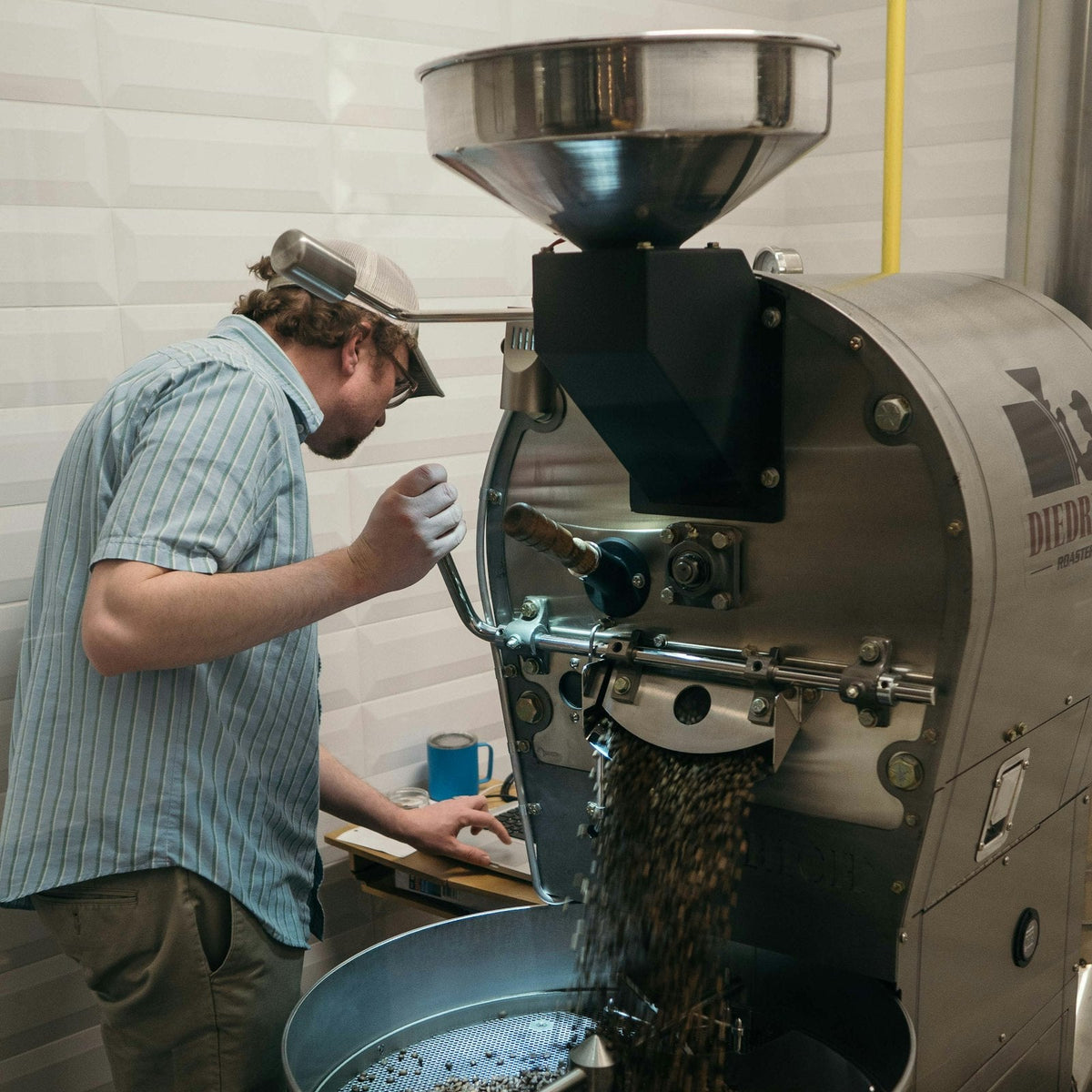
Every new roaster who rents time at the Inheritance Coffee Lab in Pensacola hits the same moment, usually inside the first two or three sessions. They pull the lever to drop a batch into the cooling tray with the door left open, and instead of the quiet whoosh they expected, they get a face full of chaff and hot air. I've watched it happen to an accountant, a barista who had been pulling shots for six years, and a retired Navy pilot who told me afterward it was the most startled he'd been since flight school. Nobody warns them ahead of time, because the only way anyone really learns it is by doing it once. It isn't a dangerous mistake. It's an expensive one if you ignore what it's actually telling you: a roasting business is made of a hundred small costs exactly like that one, each cheap to fix and easy to miss, and whether the business turns a profit comes down almost entirely to how many of them you catch before they catch you.
That's also the honest answer to the question in the title. Is coffee roasting a profitable business? Not as a fixed property of roasting coffee for a living, the way a margin is a fixed property of a drink recipe. It is profitable past a volume threshold, and a loss before it, and almost nobody asking the question has worked out which side of that threshold their plan sits on before they sign a lease.
What Does It Actually Cost to Open a Roasting Business?
Our own page on starting a coffee brand without buying a roaster gets asked this directly, and it declines to give a single number, on purpose: "The range between the paths is enormous, which is why a single figure would mislead you." That's correct as far as it goes. What it doesn't do is follow the cost side through to the number that actually decides whether the business works, which is what happens after the equipment is paid for.
Buying a roaster is never just the roaster. It arrives attached to a building zoned for light manufacturing, the ventilation and gas lines to run it, a landlord willing to sign a lease that outlasts your first year of sales, and a food-facility inspection before anything leaves the building. None of those four things gets cheaper because you were careful about the roaster model. A 15-kilogram production roaster, the size we run at the Inheritance Roastery, is a five-figure purchase before you've paid for a single one of them. If you already run a cafe and are weighing whether to roast in-house rather than start a separate roasting business, that's a different question with a different answer, covered in should a coffee shop roast its own coffee.
Where Does a Roasting Business Actually Make Its Money?
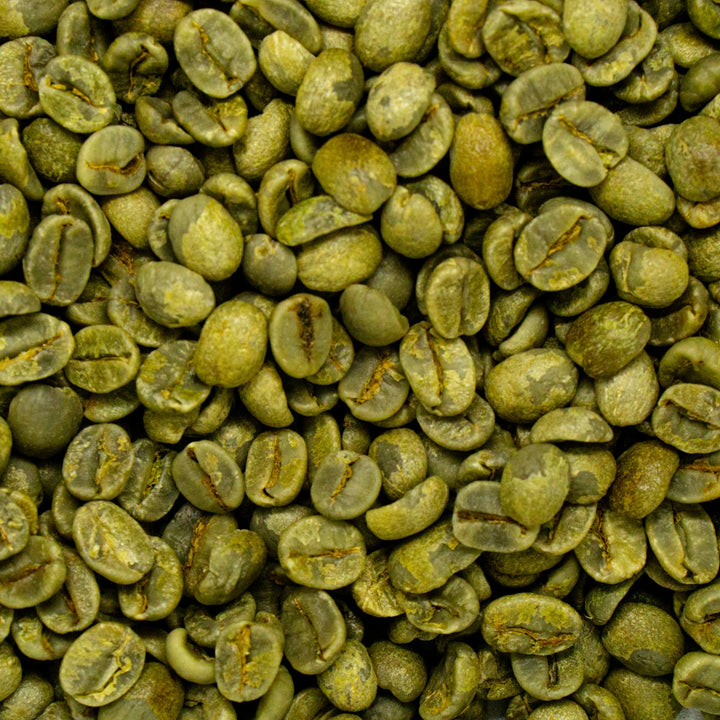
Margin on roasted coffee comes from one place: the spread between what you pay for green and what the bag sells for, run through a machine that doesn't waste much of either. We publish what we pay. The El Salvador Finca San Luis we buy for espresso costs us $7.45 a pound green. The Organic Peru Decaf, the most expensive lot we currently roast, costs $8.90. Those numbers move with the market and the farm, but they're the honest floor a new roaster is working from, not the four-dollar commodity figure that shows up in most generic "how to start" articles.

The machine decides how many pounds that spread gets applied to in a day. On our own production roaster, a 15-kilogram drum run at full charge, 300 pounds of green works out to about nine batches. A smaller shop running a 6- to 10-kilogram roaster at 70 to 80 percent of capacity needs roughly 26 batches to get through the same 300 pounds. Batches cost time regardless of size, in labor, in propane or electricity, in the operator's attention, so the bigger machine turns the same green coffee into revenue in a third of the roast days. That's the real reason size matters in roasting, and it has nothing to do with bragging rights.
Why Does Volume Decide Whether This Pays?
Every cost in the first section is fixed, or close to it, whether you roast ten pounds a week or ten thousand. The lease doesn't change. The gas line doesn't change. The inspection doesn't change. The only real variable in the whole equation is how many pounds of green coffee you can run the margin over before those fixed costs are paid, and that's a volume number, not a quality number.
This is where most of the generic cost breakdowns online stop being useful. They list the categories, equipment, rent, permits, and stop, without ever connecting those numbers to pounds roasted per month. A business can be run by a roaster who cups beautifully and loses money every month, and a business can be run by a roaster with an unremarkable palate and a full order book that clears real revenue, because the second one solved the volume problem and the first one didn't.
We see exactly this pattern in the memberships at the Inheritance Coffee Lab. The roasters who stay past their first renewal are rarely the best cuppers in the room. They're the ones who worked out their volume math before they signed up, not after.
Who Should Not Start a Roasting Business Yet?
We rent production time to self-roasters at the Lab, so I've sat across from a lot of applications, and the honest answer is that some of them shouldn't roast anything yet. If you're moving a few pounds of coffee a month, a membership's base fee doesn't spread over enough green to be worth paying, and our own wholesale program will put better coffee in your cup for less money than learning to roast it yourself. I'd rather tell someone that before they apply than watch them spend six months finding it out on their own. We've written in more detail about who should rent a co-roasting space, and who shouldn't, if you want the fuller version of this test.
The honest test isn't whether you love coffee. It's whether you already know how many pounds a month you need to move to make the fixed costs worth carrying. If you don't know that number yet, the roasting decision is premature, whatever the rest of the plan looks like.
Which of the Three Paths Into Roasting Actually Pays First?
There are three ways to put your name on a bag, and they sit in order of how fast each one can turn a profit against how much control it hands you. Private label is the fastest to break even, because somebody else already owns the roaster, the lease and the inspection, and you're buying a finished product at a price that already includes their margin. Toll roasting, also called contract roasting, costs more up front because you own the green coffee yourself, but it hands you the sourcing and the profile. Roaster rental, the path the Lab exists for, is the slowest of the three to pay back, and the only one that actually makes you a roaster rather than a brand that sells roasted coffee.
None of the three is the right answer in general. The right answer is whichever one matches the volume you can already move, which is the same number every section above keeps landing on.
Ready to find out which path pays off at your volume? The Inheritance Coffee Lab application takes about five minutes, and we read every one personally before quoting a membership rate built around your actual pounds per month, not a generic one.