The Complete Guide to Coffee Roasting: Learn, Practice, and Perfect
Roasting transforms green coffee beans into the flavors that brew into your daily cup. It’s both an art and a science, blending careful timing with heat control to unlock aromas, sweetness, and balance. If you’re curious about how to move from curious taster to confident roaster, a Coffee Roasting Class like the one offered by Inheritance Coffee can be the bridge between theory and practice.
Understanding Coffee Roasting Profiles
Roasting profiles are the flavor roadmaps you follow as beans heat up. They describe how long heat is applied, how quickly the roast develops, and how temperature interacts with aroma development. In light roasts, beans stay brighter and more acidic because fermentation flavors are encouraged to remain expressive while sugars are still blooming. Medium roasts emphasize balance, showing a wider range of sweet and fruity notes as moisture leaves the beans. Dark roasts lean into fuller body and roasted notes like chocolate and caramel, but can lose some nuanced acidity if pushed too far.
In a roasting class, you’ll learn to read these profiles by eye and with your palate. You’ll compare batches side by side, noting which profile highlights the origin and processing method. This practice helps you create roast curves that suit your audience—whether you’re roasting for a cafe blend, a seasonal release, or a home coffee routine.
From Green to Roast: The Coffee Roasting Process Step by Step
The roasting process follows several stages that you’ll feel and hear, not just see on a dial. It begins with heating the beans, called the drying phase, where moisture escapes and beans turn yellow. Next comes the browning phase, where Maillard reactions intensify, giving body and aroma. You’ll hear the first crack, a sign that beans are moving into the development phase. Here, you decide when to halt or extend the roast, shaping aroma, acidity, and sweetness. Some roasts reach a second crack, which deepens body and adds robust roasted notes. The final stage is cooling, which stops the beans from cooking further and locks in the flavors you just created.
During a hands-on class, you’ll practice each step with guided feedback, learning to tune agitation, airflow, and batch sizes. You’ll also learn how small changes—like a few seconds of development time or a slight temperature bump—can shift flavor dramatically.
Key Coffee Roasting Profiles and How They Shape Flavor
Beyond the basic light, medium, and dark labels, true profiles map a roast curve to flavor outcomes. A profile might emphasize bright acidity and citrus notes in a light roast, or a syrupy sweetness with chocolate undertones in a dark roast. You’ll learn to document and reproduce successful profiles so you can scale them reliably—essential whether you’re roasting for a cafe, a bakery, or a personal project.
In the class, you’ll keep notes on origin, bean density, moisture, and roast curve. You’ll compare how the same bean changes when roasted to different profiles, which helps you understand what to adjust for future batches.
Temperature Considerations: The Coffee Roasting Temperature Chart
Temperature is a guiding force in roasting. A typical chart starts with a warming phase around 180°C, followed by a rapid rise to the drying zone. First crack usually occurs around 196–205°C, signaling the transition into development. Depending on your target profile, you may pull around 205–220°C for a light-to-medium roast, or push toward 230–235°C for a darker finish. The exact numbers vary by bean and equipment, but what matters most is how temperature, time, and airflow interact to unlock specific flavor compounds.
That’s why a structured class helps you connect the dots between a temperature reading and a flavor outcome. You’ll practice reading the roast visually and by aroma, then corroborate those observations with the numbers you’re watching on the roaster’s control panel.
Equipment and Setup: Coffee Roasting Equipment You’ll Meet
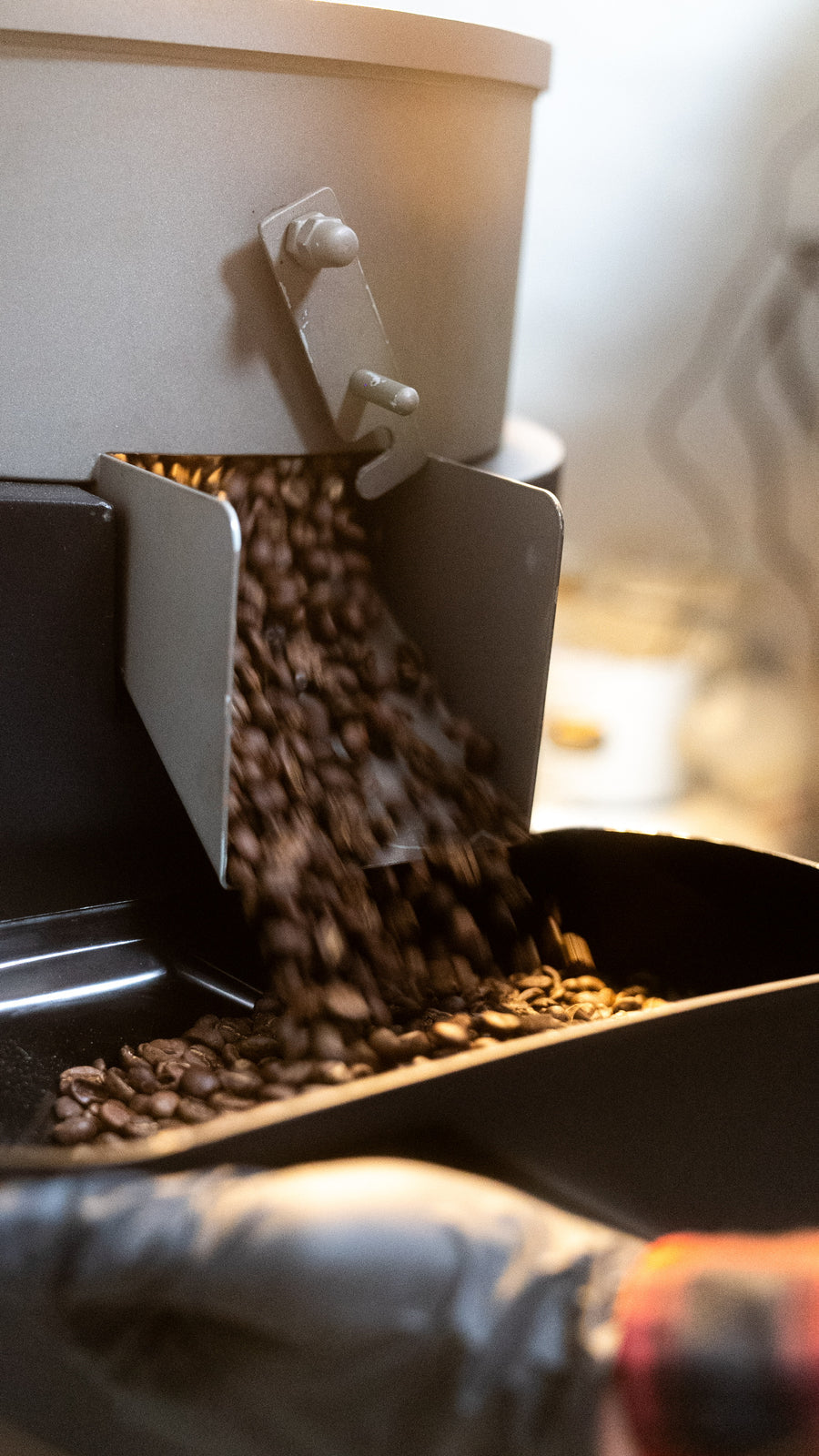
Roasting equipment ranges from small countertop roasters to larger drum systems. In a class setting, you’ll typically work with a lab-style setup designed for consistent batch sizes, precise temperature control, and reliable cooling. You’ll learn about essential gear such as a drum roaster, a cooling tray, a moisture meter, and a chaff collector. For home roasters, a smaller tabletop roaster or popcorn popper—when used safely and correctly—can be a practical entry point, but the class will show you how professional rigs differ in heat stability and airflow management.
Understanding equipment helps you troubleshoot. If a batch isn’t progressing as expected, you’ll know whether to adjust the drum speed, airflow, or batch size. This practical knowledge is exactly what you gain in a structured roasting class—along with a plan you can apply beyond the lab or cafe.
Commercial Roasting: How to Roast Coffee Beans Commercially
Roasting at a commercial scale adds considerations like batch consistency, yield, and QC (quality control). Commercial roasters focus on uniform heat transfer, repeatable profiles, and efficient cooling to preserve aroma and shelf life. You’ll learn how pros manage roasting schedules, maintain equipment, and document every batch for traceability and quality assurance. If you’re curious about turning a passion for coffee into a business, the class can be a solid foundation for understanding the workflow and cost implications involved in commercial operations.
Why Take a Coffee Roasting Class?
Learning from experienced roasters provides immediate feedback, avoids common rookie mistakes, and helps you establish a personal roasting language. Inheritance Coffee’s class blends hands-on practice with theory—from profile selection to flavor mapping—so you can confidently roast beans that express your intended profile, whether you’re sharing coffee collab blends with a co-roaster, engaging a coffee lab, or inviting coffee-lab-members to taste alongside you.
Choosing Your Roasting Path: What to Look For in a Class
Consider your goals: Are you roasting for home enjoyment, a small cafe, or a larger venture? Look for a class that offers structured theory, guided practice, and a clear path to developing your own roast profiles. Hands-on experience with real beans, tasting sessions, and feedback from an experienced roaster makes the difference between good coffee and consistent, repeatable results. If you’re looking to deepen your roasting knowledge and join a community of like-minded learners, a reputable program like Inheritance Coffee’s roasting class is designed to deliver.
Enrolling in a class also helps you build a network of peers and mentors. You’ll meet fellow learners, discuss aroma and flavor, and share notes that can inspire new roast experiments for your own lineup or business concept.
Maintenance, Practice, and Ongoing Learning
Roasting is a craft that benefits from consistent practice. After your class, continue refining your skills by roasting small batches regularly, documenting outcomes, and adjusting profiles as you gain more experience with different origins. Pair your roasting practice with smart storage, proper bean sourcing, and regular cupping sessions to keep flavor quality high over time.
Want a structured starting point? The Coffee Roasting Class from Inheritance Coffee provides a practical path—from understanding profiles and temperature to hands-on roasting and tasting. It’s a meaningful next step if you’re serious about mastering the art and science of roasting, whether for personal enjoyment or to collaborate with a team of coffee enthusiasts.