Learn
The latest trends in eco-friendly workout wear, tips for living a more
sustainable lifestyle, and stories of women.
Learn
Decaf Coffee Guide: East Africa Decaf from Inheritance
Decaf coffee has long been misunderstood as offering flat flavors or weaker caffeine-free experiences. In reality, the best decaf can deliver vibrant, origin-true taste without the jitters. This guide explores decaf coffee, what makes East Africa Decaf by Inheritance Coffee unique, and how to brew it to highlight its natural sweetness, chocolate notes, and bright fruit accents. Whether you’re new to decaf or a long-time fan, you’ll learn practical tips to enjoy a cup that feels full-bodied and satisfying, even without caffeine.
In this article, we focus on decaf coffee as a general product category, and we shine a light on East Africa Nya-Nye SWP Decaf — a rich, approachable option from Inheritance Coffee. As you read, you’ll see how origin, decaffeination method, and grind choice shape flavor, aroma, and mouthfeel. By the end, you’ll have a clear sense of when to reach for East Africa Decaf and how to brew it like a pro.
What is decaf coffee?
Decaf coffee is regular coffee that has undergone a process to remove most of its caffeine. The goal isn’t to remove all caffeine (which is nearly impossible) but to reduce it to a level that still preserves the bean’s flavor profile. There are several decaffeination methods—water-based, solvent-based, and Swiss Water Decaf being among the most common. Each method has its own impact on flavor, body, and aroma. For many drinkers, the right decaf delivers the same origin notes they expect from a caffeinated roast with a smoother finish and fewer jitters.
When you taste a well-made decaf, you want bright acidity, balanced sweetness, and a clean aftertaste. The best decafs preserve the characteristic flavors of the origin bean—think fruity notes, chocolatey richness, and a lively aroma—while keeping caffeine at a whisper. East Africa Decaf, produced by Inheritance Coffee, aims to deliver that balance through careful sourcing, gentle processing, and mindful roasting that respects the beans’ natural traits.
🛍️ Product
East Africa Decaf
East Africa Nya-Nye SWP Decaf
by Inheritance Coffee
✓ Available
🛒
View Product
Why East Africa Decaf stands out
East Africa is renowned for coffee with vibrant acidity, complex fruity notes, and a distinct brightness that lifts the cup. East Africa Nya-Nye SWP Decaf from Inheritance Coffee seeks to honor that profile even after the decaffeination process. The SWP (Swiss Water Process) method is a chemical-free approach that relies on temperature and diffusion to remove caffeine while maintaining flavor compounds. The result is a cup that can retain citrus-like brightness, stone fruit nuances, and a clean, sweet finish—traits many coffee lovers associate with East African origins.
Flavor-wise, you might notice a light-bodied to medium-bodied mouthfeel with an approachable sweetness and a clean, lingering finish. This makes East Africa Decaf a versatile option for everyday coffee drinkers, people at the office, or anyone who values consistent flavor without the intensity of caffeine. The beans are sourced with care, roasted to enhance both the origin character and the decaf profile, so you don’t have to compromise on aroma or body when you choose a decaf option.
Brewing East Africa Decaf for the best flavor
Brewing decaf coffee well often comes down to a few practical choices: grind size, water temperature, and extraction time. For East Africa Decaf, many home brewers find that a slightly coarser grind than a typical medium roast helps prevent over-extraction, which can reveal a dull or flat aftertaste in decafs. Start with a grind similar to table salt and adjust based on taste. Water temperature around 195–205°F (90–96°C) usually works well for pour-over or drip methods, balancing clarity with body.
Brewing methods that emphasize clean extraction—pour-over, drip, or AeroPress with a longer steep—tend to showcase East Africa Decaf’s bright notes without becoming sour. If you prefer espresso, a dialed-in shot with a slightly longer pull can yield a rich crema and a chocolatey finish, provided you maintain good grind consistency and caution on extraction time. Storage matters too: keep the coffee away from moisture and strong odors to preserve its delicate flavors between brews.
How to choose and use decaf coffee in daily rituals
Choosing a decaf is about flavor compatibility with your routine. If you love a bright, citrusy cup in the morning, East Africa Decaf can be a strong fit due to its origin character and clean finish. For those who enjoy a comforting mug in the afternoon, this decaf offers sweetness and depth without the caffeine spike. Consider pairing decaf with your favorite food pairings—fruity pastries for a lively morning cup or a dark chocolate nib for a deeper, indulgent experience in the afternoon.
What is the caffeine content in decaf?
Decaf coffee typically contains a small amount of caffeine—often around 2–5 mg per 8-ounce cup, though this can vary by bean, decaf method, and roast level. East Africa Decaf is designed to provide a satisfying coffee experience with minimal caffeine impact, which makes it a practical choice for those who are caffeine-sensitive, pregnant, or looking to limit intake while still enjoying coffee rituals.
Pros and cons of decaf coffee
Decaf coffee offers several advantages: it enables late-day enjoyment, reduces caffeine-related jitters for sensitive individuals, and still delivers much of the flavor profile of the origin beans. On the downside, decaf can sometimes exhibit slight flavor differences compared to its caffeinated counterpart, depending on the decaffeination method and roast. With East Africa Decaf, the Swiss Water Process helps minimize flavor loss, aiming for a flavor-rich cup that remains approachable any time of day.
Is decaf coffee available at Starbucks?
Many major coffee chains, including Starbucks, offer decaf options. Availability can vary by location and season, but decaf blends and single-origin decafs are common. If you’re seeking a high-quality decaf experience similar to East Africa Decaf, look for Swiss Water or alternative gentle decaffeination methods that emphasize origin flavors and smoothness rather than masking them with heavy roasting.
Is decaf coffee safe during pregnancy?
Most health guidelines suggest moderating caffeine intake during pregnancy. Decaf coffee can be a safer alternative when you want to maintain a daily coffee ritual without consuming significant caffeine. It’s still wise to consult with a healthcare professional about your personal caffeine limits and to choose decafs that minimize caffeine content while preserving flavor — East Africa Decaf is designed with that mindful approach in mind.
Choosing a decaf that aligns with your taste preferences and health goals can help you keep enjoying coffee moments with confidence. The East Africa Decaf from Inheritance Coffee represents a thoughtful option for those who want authentic origin notes with a gentler caffeine footprint.
Conclusion
Decaf coffee doesn’t have to mean sacrificing flavor. East Africa Decaf from Inheritance Coffee showcases how a Swiss Water Process can preserve the vibrant notes of East African origin while keeping caffeine to a minimum. By selecting the right grind, controlling temperature, and choosing a method that highlights sweetness and brightness, you can craft a cup that feels as full as a caffeinated brew—without the extra caffeine burden. If you’re curious about exploring decaf with authentic origin character, East Africa Decaf is worth a try for your everyday coffee routine. Embrace the ritual, savor the aroma, and enjoy a cup that fits your schedule and your taste buds.
The Complete Guide to Coffee Roasting: Learn, Practice, and Perfect
Roasting transforms green coffee beans into the flavors that brew into your daily cup. It’s both an art and a science, blending careful timing with heat control to unlock aromas, sweetness, and balance. If you’re curious about how to move from curious taster to confident roaster, a Coffee Roasting Class like the one offered by Inheritance Coffee can be the bridge between theory and practice. This guide walks you through roasting concepts, practical steps, and how a hands-on class can sharpen your palate and your craft.
Understanding Coffee Roasting Profiles
Roasting profiles are the flavor roadmaps you follow as beans heat up. They describe how long heat is applied, how quickly the roast develops, and how temperature interacts with aroma development. In light roasts, beans stay brighter and more acidic because fermentation flavors are encouraged to remain expressive while sugars are still blooming. Medium roasts emphasize balance, showing a wider range of sweet and fruity notes as moisture leaves the beans. Dark roasts lean into fuller body and roasted notes like chocolate and caramel, but can lose some nuanced acidity if pushed too far.
In a roasting class, you’ll learn to read these profiles by eye and with your palate. You’ll compare batches side by side, noting which profile highlights the origin and processing method. This practice helps you create roast curves that suit your audience—whether you’re roasting for a cafe blend, a seasonal release, or a home coffee routine.
🛍️ Product
Coffee Roasting Class
Learn the Art and Craft of Roasting Coffee Learn from one of our experienced coffee roasters as they walk you step-by-step through the process of roas...
by Inheritance Coffee
✓ Available
🛒
View Product
From Green to Roast: The Coffee Roasting Process Step by Step
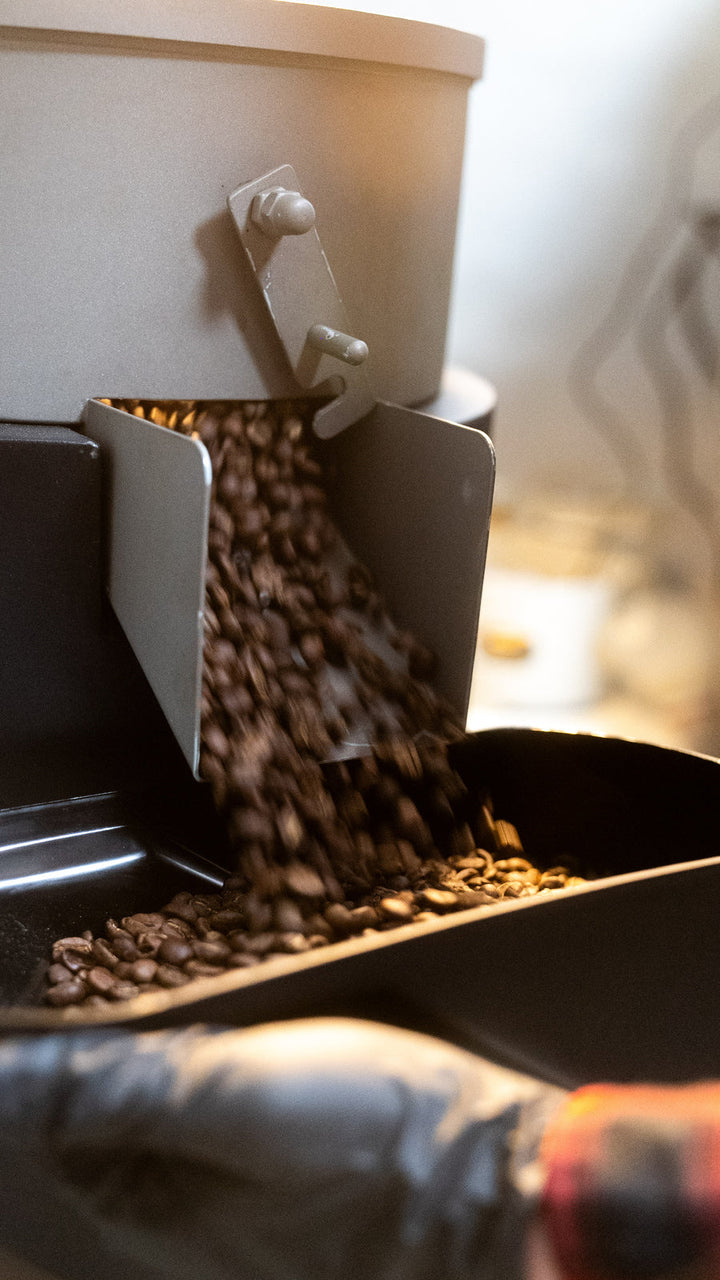
The roasting process follows several stages that you’ll feel and hear, not just see on a dial. It begins with heating the beans, called the drying phase, where moisture escapes and beans turn yellow. Next comes the browning phase, where Maillard reactions intensify, giving body and aroma. You’ll hear the first crack, a sign that beans are moving into the development phase. Here, you decide when to halt or extend the roast, shaping aroma, acidity, and sweetness. Some roasts reach a second crack, which deepens body and adds robust roasted notes. The final stage is cooling, which stops the beans from cooking further and locks in the flavors you just created.
During a hands-on class, you’ll practice each step with guided feedback, learning to tune agitation, airflow, and batch sizes. You’ll also learn how small changes—like a few seconds of development time or a slight temperature bump—can shift flavor dramatically.
Key Coffee Roasting Profiles and How They Shape Flavor
Beyond the basic light, medium, and dark labels, true profiles map a roast curve to flavor outcomes. A profile might emphasize bright acidity and citrus notes in a light roast, or a syrupy sweetness with chocolate undertones in a dark roast. You’ll learn to document and reproduce successful profiles so you can scale them reliably—essential whether you’re roasting for a cafe, a bakery, or a personal project.
In the class, you’ll keep notes on origin, bean density, moisture, and roast curve. You’ll compare how the same bean changes when roasted to different profiles, which helps you understand what to adjust for future batches.
Temperature Considerations: The Coffee Roasting Temperature Chart
Temperature is a guiding force in roasting. A typical chart starts with a warming phase around 180°C, followed by a rapid rise to the drying zone. First crack usually occurs around 196–205°C, signaling the transition into development. Depending on your target profile, you may pull around 205–220°C for a light-to-medium roast, or push toward 230–235°C for a darker finish. The exact numbers vary by bean and equipment, but what matters most is how temperature, time, and airflow interact to unlock specific flavor compounds.
That’s why a structured class helps you connect the dots between a temperature reading and a flavor outcome. You’ll practice reading the roast visually and by aroma, then corroborate those observations with the numbers you’re watching on the roaster’s control panel.
Equipment and Setup: Coffee Roasting Equipment You’ll Meet
Roasting equipment ranges from small countertop roasters to larger drum systems. In a class setting, you’ll typically work with a lab-style setup designed for consistent batch sizes, precise temperature control, and reliable cooling. You’ll learn about essential gear such as a drum roaster, a cooling tray, a moisture meter, and a chaff collector. For home roasters, a smaller tabletop roaster or popcorn popper—when used safely and correctly—can be a practical entry point, but the class will show you how professional rigs differ in heat stability and airflow management.
Understanding equipment helps you troubleshoot. If a batch isn’t progressing as expected, you’ll know whether to adjust the drum speed, airflow, or batch size. This practical knowledge is exactly what you gain in a structured roasting class—along with a plan you can apply beyond the lab or cafe.
Commercial Roasting: How to Roast Coffee Beans Commercially
Roasting at a commercial scale adds considerations like batch consistency, yield, and QC (quality control). Commercial roasters focus on uniform heat transfer, repeatable profiles, and efficient cooling to preserve aroma and shelf life. You’ll learn how pros manage roasting schedules, maintain equipment, and document every batch for traceability and quality assurance. If you’re curious about turning a passion for coffee into a business, the class can be a solid foundation for understanding the workflow and cost implications involved in commercial operations.
Why Take a Coffee Roasting Class?
Learning from experienced roasters provides immediate feedback, avoids common rookie mistakes, and helps you establish a personal roasting language. Inheritance Coffee’s class blends hands-on practice with theory—from profile selection to flavor mapping—so you can confidently roast beans that express your intended profile, whether you’re sharing coffee collab blends with a co-roaster, engaging a coffee lab, or inviting coffee-lab-members to taste alongside you.
Choosing Your Roasting Path: What to Look For in a Class
Consider your goals: Are you roasting for home enjoyment, a small cafe, or a larger venture? Look for a class that offers structured theory, guided practice, and a clear path to developing your own roast profiles. Hands-on experience with real beans, tasting sessions, and feedback from an experienced roaster makes the difference between good coffee and consistent, repeatable results. If you’re looking to deepen your roasting knowledge and join a community of like-minded learners, a reputable program like Inheritance Coffee’s roasting class is designed to deliver.
Enrolling in a class also helps you build a network of peers and mentors. You’ll meet fellow learners, discuss aroma and flavor, and share notes that can inspire new roast experiments for your own lineup or business concept.
Maintenance, Practice, and Ongoing Learning
Roasting is a craft that benefits from consistent practice. After your class, continue refining your skills by roasting small batches regularly, documenting outcomes, and adjusting profiles as you gain more experience with different origins. Pair your roasting practice with smart storage, proper bean sourcing, and regular cupping sessions to keep flavor quality high over time.
Want a structured starting point? The Coffee Roasting Class from Inheritance Coffee provides a practical path—from understanding profiles and temperature to hands-on roasting and tasting. It’s a meaningful next step if you’re serious about mastering the art and science of roasting, whether for personal enjoyment or to collaborate with a team of coffee enthusiasts.
Espresso Tamper Guide: 53mm Size, Wood Handles, Tips
The moment you introduce tamping into your espresso routine, you start chasing consistency. The puck, the grind, and the tamp all work together to influence extraction. A carefully chosen tamper isn’t just a tool—it's a quiet partner in your everyday coffee ritual. The Zebra Wood Tamper 53mm blends craftsmanship with practical design, helping you apply even pressure and create a level surface for better pours. This handcrafted accessory from Espresso Outlet LLC is more than a pretty handle—it’s a reliable part of your workflow.
Why Tampers Matter for Espresso
Espresso depends on a balanced brew, and tamping is the step that shapes the beverage’s foundation. Without a consistent tamp, grind size and dose can still yield uneven extraction, leading to sour notes or bitter undersides. A tamper sized to fit your portafilter basket seal makes a real difference. For many home setups and some commercial machines, 53mm is a common dimension. Having a tamper at that size means you can cover the entire surface of the puck for even compaction, avoiding corners that channel water and create uneven flavors. The Zebra Wood Tamper 53mm sits comfortably in this sweet spot, offering full contact with the basket and a touch of elegance to your espresso ritual.
As you refine your technique, you’ll notice that weight and balance matter too. A well-balanced tamper reduces strain on your wrist and helps you apply even pressure without clenching. That’s where the Zebra Wood Tamper shines: a solid feel, a smooth glide, and a warm wood touch that makes every shot more enjoyable to pull.
Material Matters: Wood Handles vs Metal
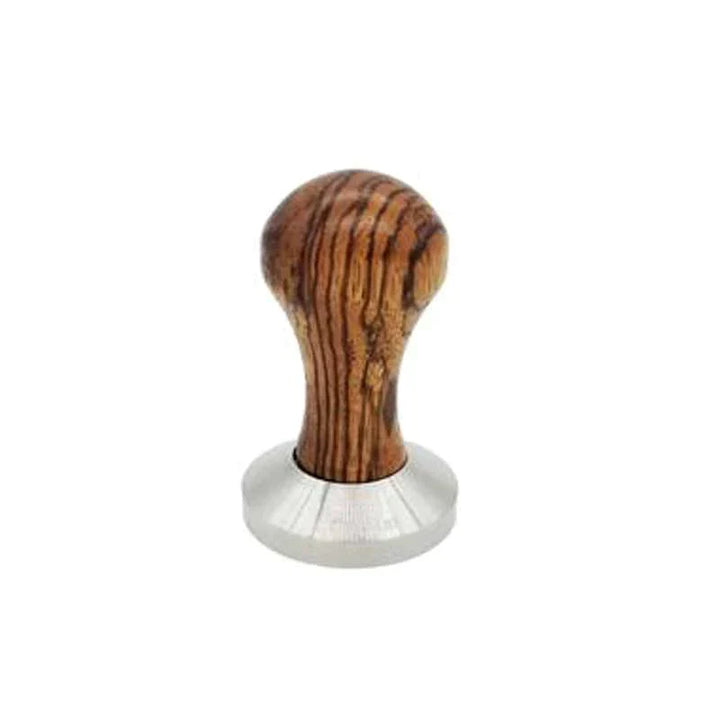
Wood is more than a look—it's an ergonomic choice. The Zebra Wood Tamper features imported Microberlinia wood (Zebrano) from central Africa. The heartwood is a pale golden yellow with narrow streaks of dark brown to black, giving each tamper a unique, sophisticated appearance. The handle is expertly sanded, oiled, and buffed to a silky finish, so it feels good in your hand and looks great on your counter. A wooden handle can also stay warmer to the touch in cooler mornings, inviting a slower, steadier press that helps you stay consistent through long sessions.
In contrast, metal handles can feel slick or cold, depending on your environment. The Zebra Wood Tamper offers a tactile grip and a premium aesthetic without sacrificing performance. Weighing in at 294 g (10.37 oz) and standing 86 mm tall (3.38 in), this tamper provides a stable, confident feel that many baristas notice immediately.
Choosing the Right Tamper Size and Style
When you’re picking a tamper, size matters. Look at the diameter of your portafilter basket. If your setup uses a 53mm basket, a 53mm tamper like this Zebra Wood model will give you perfect surface contact—no gaps, no wobble. If your basket is 51mm, you’ll want a tamper designed for 51mm to avoid touching the sides and creating uneven compression. Some users also encounter 58mm baskets, which require a larger tamper to fit the full surface. Understanding these sizes helps you pick a tamper that matches your machine and basket for the most consistent puck.
In addition to size, think about accessories that support the tamping routine. A good espresso tamper mat protects your countertop from coffee grounds and scratches, while a tamper station can keep your tool tidy between uses. Some setups even pair a scoop and tamper into one workflow, using a coffee scoop to level grounds and a tamper to compress them. For many home baristas, combining a well-made tamper with a comfortable mat and a compact station creates an efficient, enjoyable routine.
🛍️ Product
Zebra Wood Tamper 53mm
Zebra Wood Tamper 53mm features imported Microberlinia wood (Zebrano) from central Africa (Gabon, Cameroon, and Congo). The heartwood has a pale golde...
by Espresso Outlet LLC
For everyday use, a dedicated tamper station helps you keep the workspace clean and encourages consistent practice. If you’re working in a tighter kitchen or studio, a tamper mat near the espresso setup gives you a quick drop-off zone for the tool and helps protect the surface beneath. And because many tampers are matched to specific basket sizes, using a proper size reduces the chance of uneven tamping and over-packing or under-packing the puck.
Mastering Tamp Technique: Steps for Consistency
Consistency starts with a clean, evenly dosed puck. After dosing, a gentle tap to settle the grounds helps reduce air pockets, then sweep the edge with a quick level-off motion using a separate scoop, or directly with the portafilter’s edge. When you’re ready to tamp, place the tamper flat on the puck and apply firm, even pressure straight down—about mid-range on most setups. The goal is a level surface; you should feel resistance as the puck compacts without the tamp slipping or tilting.
The Zebra Wood Tamper 53mm’s balance supports this motion. Its weight—roughly 294 g—gives you a stable press without requiring excessive force, while the smooth, rounded top guides your hand for repeatable pressure every shot. As you practice, you’ll notice fewer channeling paths and more even extraction, particularly when paired with a consistent grind and dose.
Care, Maintenance, and Setup
Wood requires a little maintenance to keep looking and performing its best. Wipe the Zebra Wood Tamper with a damp cloth after use and dry it thoroughly. Periodic light oiling helps maintain the wood’s luster and prevents cracking in dry environments. Avoid soaking the handle in water, and never put the tamper in the dishwasher. Regular cleaning of the base, especially around the edge where coffee oils can accumulate, helps maintain smooth tamping action over time.
Beyond the tool itself, think about where you tamp. A dedicated espresso tamper mat protects your counter and provides a non-slip surface for precise tamping. A tidy, organized setup with a tamper station or a simple stand can reduce the chances of misplacing the tamper and encourage consistent practice across brewing sessions. If you’re using a scoop, consider a model that pairs well with your tamping workflow to keep grounds evenly distributed before pressing.
Putting It All Together: Your Espresso Practice
Choosing the right tamper size, integrating a wood handle for comfort, and maintaining a clean, organized station all contribute to a more reliable espresso routine. The Zebra Wood Tamper 53mm from Espresso Outlet LLC brings together premium material, thoughtful design, and precise dimensions to support you as you dial in your shots. Whether you’re brewing a morning single or a weekend double, a well-tuned tamp is a quiet foundation for flavor and balance.
As you advance, remember that tamping is one part of the broader espresso workflow. If you’re curious about how a slightly different tamp profile affects extraction, experiment gradually and keep notes. A well-built tamper like this one is a strong ally in that ongoing practice, helping you achieve consistent results with less effort and more enjoyment.
Conclusion: Elevate Your Espresso with Thoughtful Tools
Good espresso is built on good habits, and a high-quality tamper is a key habit enabler. The Zebra Wood Tamper 53mm combines premium Zebra wood with balanced weight and a precise diameter to support consistent extractions. Add a tamping mat or a small tamper station, and you’ve created a streamlined setup that makes every shot a little easier and a lot more satisfying.
The Complete Guide to Kenya Nyeri Ndaroini Coffee
Kenya Nyeri Ndaroini is a coffee produced by various smallholders in Nyeri County, Kenya. This lot comes from the Ndaroini area and is processed by a washed method that yields a clean, bright cup. Expect flavors described as spiced sugar, red berry, and a gentle note of ginger, with a crisp finish that lingers on the palate.
Grown at high elevations, this coffee benefits from Kenya's strict quality standards and careful processing. The beans come from a diverse group of farmers working together under Inheritance Coffee's sourcing network, ensuring traceability from farm to cup.
What Makes This Coffee Stand Out
One of the defining features is the bean's varietal blend. Kenya Nyeri Ndaroini features SL-28, SL-34, Ruiru-11, and Batian, a combination that highlights the best traits of Kenyan coffee: bright acidity, floral notes, and a structured body. The washed process helps clarity, allowing the red berry sweetness and ginger spice to shine without being overshadowed by ferment notes. This makes it a versatile choice for both filter brews and espresso attempts, depending on your roast level.
🛍️ Product
Kenya Nyeri Ndaroini
Producer: Various Smallholders Farm: Ndaroini Origin: Kenya Varietal: SL-28, SL-34, Ruiru-11, Batian Process: Washed Flavor Spiced Sugar, Red Berry, G...
by Inheritance Coffee
✓ Available
🛒
View Product
Brewing Kenya Nyeri Ndaroini for Optimal Flavor
To bring out the coffee's lively profile, start with a clean grinder and fresh water. A pour-over method is especially well-suited to this bean, letting the spiced sugar and berry notes emerge with every controlled pour. A common starting ratio is 1:16 (coffee to water) with a bloom of 30–45 seconds to release CO2, followed by steady pours until you reach your desired strength.
If you prefer immersion methods, a 4-minute French press or a carefully tuned AeroPress can also produce a bright cup with clear acidity. Keep the grind medium-coarse for immersion and medium for pour-over, adjusting grind size to reduce any perceived bitterness while preserving the beans' natural sweetness.
From Tree to Cup: Understanding Kenyan Coffee
For many readers, the idea of coffee beans online is simply a way to discover more flavors. Kenya Nyeri Ndaroini is a great example of a modern, traceable purchase you can order online from specialty roasters like Inheritance Coffee. The beans you grind and brew come from coffee bean trees—the Arabica shrubs that thrive in Kenya's high-altitude climates—where the fruit, or cherry, contains two seeds we call coffee beans.
When you explore coffee beans types, you’ll notice Kenyan coffees often rely on a few iconic cultivars. This lot lists SL-28 and SL-34, long regarded as some of the finest for aroma and brightness, along with Ruiru-11 and Batian, which bring resilience and consistent yield. Each variety contributes its own notes to the cup, making Kenyan profiles wonderfully bright with berry-like sweetness.
Prices for coffee beans online vary by origin, roast, and packaging. Premium Kenyan lots like Nyeri Ndaroini typically sit in the higher end of the spectrum, reflecting careful sourcing and smallholder collaboration. If you track pricing, you’ll find plenty of options online—from single-origin Kenyan coffees to blended offerings—allowing you to compare value, roast level, and flavor emphasis.
When you’re evaluating product images, you might search for “coffee beans png” to see transparent-background visuals you can use on your own site or menu. Clear images help convey the quality and color of the roast, reinforcing your customers’ confidence in the purchase. The Nyeri Ndaroini listing includes a product photo to give you a sense of the roast and color before you buy.
Storage and Freshness Tips
To keep the delicate flavors of this washed Kenyan coffee intact, store the beans in a cool, dark place in an airtight container. Oxygen is a enemy of freshness, so only grind what you need for each brew. For the most fragrant cup, grind just before brewing and use water that is clean and free of impurities. Whole beans are best used within 2–3 weeks of roast for optimal aroma and brightness.
Conclusion: Why Kenya Nyeri Ndaroini Belongs in Your Coffee Rotation
If you love a cup that is bright, clean, and flavorful with hints of spice and berry, this washed Kenyan offers a reliable profile that can shine across brew methods. Sourced from diverse smallholder farmers, it also supports sustainable farming practices and fair compensation across the supply chain. Whether you’re new to Kenyan coffee or expanding a curated collection, Nyeri Ndaroini is a standout choice.
A Beginner's Guide to Brewing Coffee at Home: Essential Tips for Unlocking Unique Flavor Profiles
Brewing coffee at home can be a rewarding experience that allows you to unlock unique flavor profiles. In this beginner's guide, we will explore essential tips to help you brew delicious coffee right in your kitchen.
How to Keep Your Coffee Fresh: Best Ways to Store Coffee Beans for Optimal Flavor
For coffee enthusiasts, the key to a great cup of coffee lies in the freshness of the coffee beans. Storing your coffee beans properly is essential to preserving their flavor and quality. Here are some effective ways to store coffee beans for optimal flavor.
🛍️ Product
Ten Cup Classic Series Coffeemaker
Known as a pristine coffeemaker, Chemex employs all of the chemically correct methods for brewing. Its hourglass-shaped flask is made entirely of glas...
by Espresso Parts
Choose the Right Container
Opt for an airtight container that will keep moisture, light, and oxygen away from the coffee beans. Mason jars or specially designed coffee storage canisters work well for this purpose.
Avoid Light and Heat
Store your coffee beans away from direct sunlight and heat sources, as these can accelerate the degradation of the beans. A cool, dark place like a pantry or cabinet is ideal for coffee storage.
Buy in Small Batches
It's best to buy coffee beans in small quantities that you can consume within a week or two. This ensures that you are always using fresh beans and not letting them sit around for too long.
Grind Before Brewing
To maximize the freshness of your coffee, grind the beans just before brewing. This helps preserve the flavor and aroma of the beans, giving you a more flavorful cup of coffee.