Decaf Coffee Guide: East Africa Decaf from Inheritance
Decaf coffee has long been misunderstood as offering flat flavors or weaker caffeine-free experiences. In reality, the best decaf can deliver vibrant, origin-true taste without the jitters. Whether you’re new to decaf or a long-time fan, you’ll learn practical tips to enjoy a cup that feels full-bodied and satisfying, even without caffeine.
Origin, decaffeination method and grind choice all shape the flavor, aroma and mouthfeel of a decaf, and they do it in that order of importance.
What is decaf coffee?
Decaf coffee is regular coffee that has undergone a process to remove most of its caffeine. The goal isn’t to remove all caffeine (which is nearly impossible) but to reduce it to a level that still preserves the bean’s flavor profile. There are several decaffeination methods—water-based, solvent-based, and Swiss Water Decaf being among the most common. Each method has its own impact on flavor, body, and aroma. For many drinkers, the right decaf delivers the same origin notes they expect from a caffeinated roast with a smoother finish and fewer jitters.
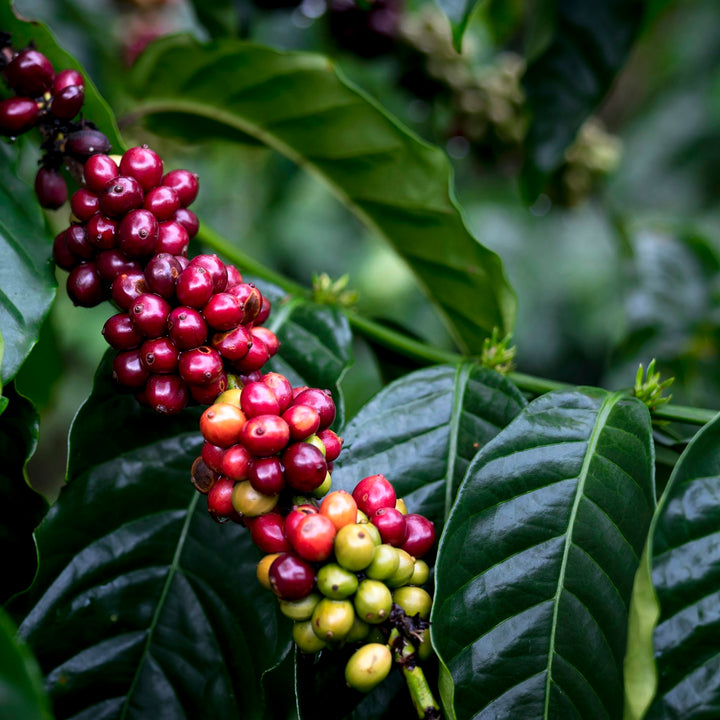
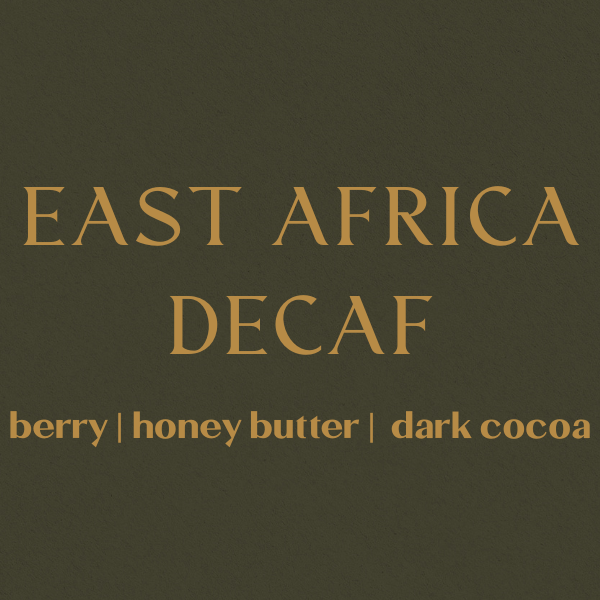
When you taste a well-made decaf, you want bright acidity, balanced sweetness, and a clean aftertaste. The best decafs preserve the characteristic flavors of the origin bean—think fruity notes, chocolatey richness, and a lively aroma—while keeping caffeine at a whisper. East Africa Decaf, produced by Inheritance Coffee, aims to deliver that balance through careful sourcing, gentle processing, and mindful roasting that respects the beans’ natural traits.
Why East Africa Decaf stands out
East Africa is renowned for coffee with vibrant acidity, complex fruity notes, and a distinct brightness that lifts the cup. East Africa Nya-Nye SWP Decaf from Inheritance Coffee seeks to honor that profile even after the decaffeination process. The SWP (Swiss Water Process) method is a chemical-free approach that relies on temperature and diffusion to remove caffeine while maintaining flavor compounds. The result is a cup that can retain citrus-like brightness, stone fruit nuances, and a clean, sweet finish—traits many coffee lovers associate with East African origins.
Flavor-wise, you might notice a light-bodied to medium-bodied mouthfeel with an approachable sweetness and a clean, lingering finish. This makes East Africa Decaf a versatile option for everyday coffee drinkers, people at the office, or anyone who values consistent flavor without the intensity of caffeine. The beans are sourced with care, roasted to enhance both the origin character and the decaf profile, so you don’t have to compromise on aroma or body when you choose a decaf option.
Brewing East Africa Decaf for the best flavor
Brewing decaf coffee well often comes down to a few practical choices: grind size, water temperature, and extraction time. For East Africa Decaf, many home brewers find that a slightly coarser grind than a typical medium roast helps prevent over-extraction, which can reveal a dull or flat aftertaste in decafs. Start with a grind similar to table salt and adjust based on taste. Water temperature around 195–205°F (90–96°C) usually works well for pour-over or drip methods, balancing clarity with body.
Brewing methods that emphasize clean extraction—pour-over, drip, or AeroPress with a longer steep—tend to showcase East Africa Decaf’s bright notes without becoming sour. If you prefer espresso, a dialed-in shot with a slightly longer pull can yield a rich crema and a chocolatey finish, provided you maintain good grind consistency and caution on extraction time. Storage matters too: keep the coffee away from moisture and strong odors to preserve its delicate flavors between brews.
How to choose and use decaf coffee in daily rituals
Choosing a decaf is about flavor compatibility with your routine. If you love a bright, citrusy cup in the morning, East Africa Decaf can be a strong fit due to its origin character and clean finish. For those who enjoy a comforting mug in the afternoon, this decaf offers sweetness and depth without the caffeine spike. Consider pairing decaf with your favorite food pairings—fruity pastries for a lively morning cup or a dark chocolate nib for a deeper, indulgent experience in the afternoon.
What is the caffeine content in decaf?
Decaf coffee typically contains a small amount of caffeine—often around 2–5 mg per 8-ounce cup, though this can vary by bean, decaf method, and roast level. East Africa Decaf is designed to provide a satisfying coffee experience with minimal caffeine impact, which makes it a practical choice for those who are caffeine-sensitive, pregnant, or looking to limit intake while still enjoying coffee rituals.
Pros and cons of decaf coffee
Decaf coffee offers several advantages: it enables late-day enjoyment, reduces caffeine-related jitters for sensitive individuals, and still delivers much of the flavor profile of the origin beans. On the downside, decaf can sometimes exhibit slight flavor differences compared to its caffeinated counterpart, depending on the decaffeination method and roast. With East Africa Decaf, the Swiss Water Process helps minimize flavor loss, aiming for a flavor-rich cup that remains approachable any time of day.
Is decaf coffee available at Starbucks?
Many major coffee chains, including Starbucks, offer decaf options. Availability can vary by location and season, but decaf blends and single-origin decafs are common. If you’re seeking a high-quality decaf experience similar to East Africa Decaf, look for Swiss Water or alternative gentle decaffeination methods that emphasize origin flavors and smoothness rather than masking them with heavy roasting.
Is decaf coffee safe during pregnancy?
Most health guidelines suggest moderating caffeine intake during pregnancy. Decaf coffee can be a safer alternative when you want to maintain a daily coffee ritual without consuming significant caffeine. It’s still wise to consult with a healthcare professional about your personal caffeine limits and to choose decafs that minimize caffeine content while preserving flavor — East Africa Decaf is designed with that mindful approach in mind.
Choosing a decaf that aligns with your taste preferences and health goals can help you keep enjoying coffee moments with confidence. The East Africa Decaf from Inheritance Coffee represents a thoughtful option for those who want authentic origin notes with a gentler caffeine footprint.
Conclusion
Decaf coffee doesn’t have to mean sacrificing flavor. East Africa Decaf from Inheritance Coffee showcases how a Swiss Water Process can preserve the vibrant notes of East African origin while keeping caffeine to a minimum. By selecting the right grind, controlling temperature, and choosing a method that highlights sweetness and brightness, you can craft a cup that feels as full as a caffeinated brew—without the extra caffeine burden. If you’re curious about exploring decaf with authentic origin character, East Africa Decaf is worth a try for your everyday coffee routine. Embrace the ritual, savor the aroma, and enjoy a cup that fits your schedule and your taste buds.