Learn
The latest trends in eco-friendly workout wear, tips for living a more
sustainable lifestyle, and stories of women.
Learn
Decaf Coffee Guide: East Africa Decaf from Inheritance
Decaf coffee has long been misunderstood as offering flat flavors or weaker caffeine-free experiences. In reality, the best decaf can deliver vibrant, origin-true taste without the jitters. This guide explores decaf coffee, what makes East Africa Decaf by Inheritance Coffee unique, and how to brew it to highlight its natural sweetness, chocolate notes, and bright fruit accents. Whether you’re new to decaf or a long-time fan, you’ll learn practical tips to enjoy a cup that feels full-bodied and satisfying, even without caffeine.
In this article, we focus on decaf coffee as a general product category, and we shine a light on East Africa Nya-Nye SWP Decaf — a rich, approachable option from Inheritance Coffee. As you read, you’ll see how origin, decaffeination method, and grind choice shape flavor, aroma, and mouthfeel. By the end, you’ll have a clear sense of when to reach for East Africa Decaf and how to brew it like a pro.
What is decaf coffee?
Decaf coffee is regular coffee that has undergone a process to remove most of its caffeine. The goal isn’t to remove all caffeine (which is nearly impossible) but to reduce it to a level that still preserves the bean’s flavor profile. There are several decaffeination methods—water-based, solvent-based, and Swiss Water Decaf being among the most common. Each method has its own impact on flavor, body, and aroma. For many drinkers, the right decaf delivers the same origin notes they expect from a caffeinated roast with a smoother finish and fewer jitters.
When you taste a well-made decaf, you want bright acidity, balanced sweetness, and a clean aftertaste. The best decafs preserve the characteristic flavors of the origin bean—think fruity notes, chocolatey richness, and a lively aroma—while keeping caffeine at a whisper. East Africa Decaf, produced by Inheritance Coffee, aims to deliver that balance through careful sourcing, gentle processing, and mindful roasting that respects the beans’ natural traits.
🛍️ Product
East Africa Decaf
East Africa Nya-Nye SWP Decaf
by Inheritance Coffee
✓ Available
🛒
View Product
Why East Africa Decaf stands out
East Africa is renowned for coffee with vibrant acidity, complex fruity notes, and a distinct brightness that lifts the cup. East Africa Nya-Nye SWP Decaf from Inheritance Coffee seeks to honor that profile even after the decaffeination process. The SWP (Swiss Water Process) method is a chemical-free approach that relies on temperature and diffusion to remove caffeine while maintaining flavor compounds. The result is a cup that can retain citrus-like brightness, stone fruit nuances, and a clean, sweet finish—traits many coffee lovers associate with East African origins.
Flavor-wise, you might notice a light-bodied to medium-bodied mouthfeel with an approachable sweetness and a clean, lingering finish. This makes East Africa Decaf a versatile option for everyday coffee drinkers, people at the office, or anyone who values consistent flavor without the intensity of caffeine. The beans are sourced with care, roasted to enhance both the origin character and the decaf profile, so you don’t have to compromise on aroma or body when you choose a decaf option.
Brewing East Africa Decaf for the best flavor
Brewing decaf coffee well often comes down to a few practical choices: grind size, water temperature, and extraction time. For East Africa Decaf, many home brewers find that a slightly coarser grind than a typical medium roast helps prevent over-extraction, which can reveal a dull or flat aftertaste in decafs. Start with a grind similar to table salt and adjust based on taste. Water temperature around 195–205°F (90–96°C) usually works well for pour-over or drip methods, balancing clarity with body.
Brewing methods that emphasize clean extraction—pour-over, drip, or AeroPress with a longer steep—tend to showcase East Africa Decaf’s bright notes without becoming sour. If you prefer espresso, a dialed-in shot with a slightly longer pull can yield a rich crema and a chocolatey finish, provided you maintain good grind consistency and caution on extraction time. Storage matters too: keep the coffee away from moisture and strong odors to preserve its delicate flavors between brews.
How to choose and use decaf coffee in daily rituals
Choosing a decaf is about flavor compatibility with your routine. If you love a bright, citrusy cup in the morning, East Africa Decaf can be a strong fit due to its origin character and clean finish. For those who enjoy a comforting mug in the afternoon, this decaf offers sweetness and depth without the caffeine spike. Consider pairing decaf with your favorite food pairings—fruity pastries for a lively morning cup or a dark chocolate nib for a deeper, indulgent experience in the afternoon.
What is the caffeine content in decaf?
Decaf coffee typically contains a small amount of caffeine—often around 2–5 mg per 8-ounce cup, though this can vary by bean, decaf method, and roast level. East Africa Decaf is designed to provide a satisfying coffee experience with minimal caffeine impact, which makes it a practical choice for those who are caffeine-sensitive, pregnant, or looking to limit intake while still enjoying coffee rituals.
Pros and cons of decaf coffee
Decaf coffee offers several advantages: it enables late-day enjoyment, reduces caffeine-related jitters for sensitive individuals, and still delivers much of the flavor profile of the origin beans. On the downside, decaf can sometimes exhibit slight flavor differences compared to its caffeinated counterpart, depending on the decaffeination method and roast. With East Africa Decaf, the Swiss Water Process helps minimize flavor loss, aiming for a flavor-rich cup that remains approachable any time of day.
Is decaf coffee available at Starbucks?
Many major coffee chains, including Starbucks, offer decaf options. Availability can vary by location and season, but decaf blends and single-origin decafs are common. If you’re seeking a high-quality decaf experience similar to East Africa Decaf, look for Swiss Water or alternative gentle decaffeination methods that emphasize origin flavors and smoothness rather than masking them with heavy roasting.
Is decaf coffee safe during pregnancy?
Most health guidelines suggest moderating caffeine intake during pregnancy. Decaf coffee can be a safer alternative when you want to maintain a daily coffee ritual without consuming significant caffeine. It’s still wise to consult with a healthcare professional about your personal caffeine limits and to choose decafs that minimize caffeine content while preserving flavor — East Africa Decaf is designed with that mindful approach in mind.
Choosing a decaf that aligns with your taste preferences and health goals can help you keep enjoying coffee moments with confidence. The East Africa Decaf from Inheritance Coffee represents a thoughtful option for those who want authentic origin notes with a gentler caffeine footprint.
Conclusion
Decaf coffee doesn’t have to mean sacrificing flavor. East Africa Decaf from Inheritance Coffee showcases how a Swiss Water Process can preserve the vibrant notes of East African origin while keeping caffeine to a minimum. By selecting the right grind, controlling temperature, and choosing a method that highlights sweetness and brightness, you can craft a cup that feels as full as a caffeinated brew—without the extra caffeine burden. If you’re curious about exploring decaf with authentic origin character, East Africa Decaf is worth a try for your everyday coffee routine. Embrace the ritual, savor the aroma, and enjoy a cup that fits your schedule and your taste buds.
Green Coffee Demystified: What It Is and How to Use It
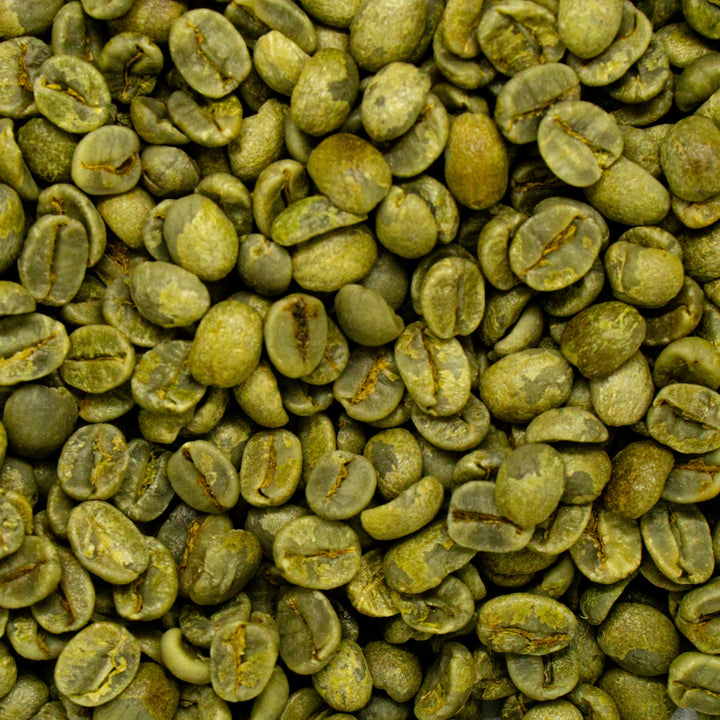
Green coffee beans are the raw, unroasted seeds of Coffea plants. They’re what coffee starts as before a roaster brings them to life with heat and time. For researchers, educators, and curious home roasters, green coffee offers a hands-on way to study aroma compounds, roast development, and flavor potential. The Green Coffee Product Example #1 from Inheritance Coffee serves as a practical reference point for exploring how green beans behave during storage, roasting, and brewing.
In this guide, you’ll learn the basics of green coffee, how to evaluate quality, and simple steps to roast and brew. You’ll also encounter common questions shoppers ask—and you’ll see how to think critically about authenticity, safety, and where to buy green coffee in real-world settings.
Green Coffee 101: What It Is and Why It Matters
Green coffee is the non-roasted form of coffee beans. The beans retain more of their natural moisture and a different chemical profile than roasted beans. Moisture content, density, and bean size influence how evenly beans roast and how much aroma you can coax from them. For labs, classrooms, and keen hobbyists, green coffee is a way to study how flavor develops from bean to cup.
Choosing the right green coffee matters. Look for clear lot information, storage guidance, and sample roasting tips from trusted suppliers. A product like the Green Coffee Product Example #1 provides a consistent starting point for experiments and a baseline for comparing roast profiles.
🛍️
Green Coffee Product Example #1
This is a placeholder product for R,D&E
by Inheritance Coffee
✓ Available
🛒
View Product
From Green Beans to Roasted Coffee: Practical Steps
Start with proper storage. Store green beans in a cool, dry place and keep them away from strong odors. Airtight, opaque containers help retain moisture balance and aroma. For beginners, small batches are easiest to manage and learn from, especially when you’re dialing in roast curves.
Roasting is where science meets art. Minor changes in heat ramp, airflow, and roast duration shift flavor from grassy and green to caramelized and chocolatey. You can document roast curves and aroma development to build a repeatable process. A well-chosen green bean, like the Green Coffee Product Example #1, can anchor your trials and help you compare outcomes across roasts.
Addressing Common Questions About Green Coffee
When people search for green coffee, they often come across terms like MSI. While MSI can show up in some supply contexts, the most important details for home roasters are consistent moisture content, origin information, and a clean aroma profile. Always buy from reputable suppliers who provide batch data and storage recommendations.
Many shoppers worry about bahaya green coffee, or perceived dangers. The reality is that caffeine remains the main active compound, and sensitivity varies between individuals. If you’re pregnant, have caffeine restrictions, or experience stomach upset, consult a healthcare professional before changing your caffeine intake or using green coffee-derived products.
Questions about green coffee pelangsing—claims of weight loss—come up often. It’s important to be skeptical: there’s limited evidence that green coffee alone delivers lasting weight loss. A healthy diet and regular activity play a larger role, and any supplement claims should be evaluated carefully with reliable sources.
Authenticity matters when you’re shopping for green coffee asli. Look for clear origin labels, batch numbers, and trusted vendors. If you’re new to green coffee, start with a well-reviewed supplier and request a sample roast to gauge aroma and potential flavor before purchasing larger lots.
Availability varies by location, so you may not find green coffee di Alfamart in every area. In many places, you’ll find green coffee beans through specialty retailers, roasters, or online suppliers with transparent origin stories. Knowing what you’re buying helps you evaluate flavor potential and roast outcomes more confidently.
Roasting, Brewing, and Getting the Most from Green Coffee
After you roast, adjust grind size and brew method to unlock flavor. Lighter roasts emphasize brightness and acidity, while darker roasts add body and sweetness. Keeping a simple log of roast times, temperatures, and cup notes helps you refine your process over time.
Brewing is the final step in revealing a green bean’s potential. Start with a controlled method, such as a pour-over or a measured immersion brew, to appreciate aroma and sweetness. Whether you’re roasting for a café experiment or a home setup, green coffee like the Green Coffee Product Example #1 offers a concrete way to study how beans transform and how you can influence taste via roast and brew decisions.
Conclusion: Start Your Green Coffee Journey
Green coffee opens a doorway to flavor science, roasting craft, and ongoing discovery. By choosing a trustworthy green coffee candidate and roasting with intention, you’ll gain insight into aroma development and cup balance. Remember to verify authenticity, manage storage properly, and enjoy the learning process as you explore the many flavors green beans can unlock.
Exploring the Differences Between Light and Medium Roasts: What Makes Them Stand Out?
The Art of Coffee Roasting
When it comes to coffee, the roasting process plays a crucial role in determining the final flavor profile of your brew. Light and medium roasts are two popular options that offer distinct characteristics. Let's delve into the differences between these roast levels and what sets them apart.
Light Roast: A Delicate Balance
Light roasts are roasted for a shorter amount of time, allowing the beans to retain more of their original flavor nuances. These roasts are known for their bright acidity, floral aromas, and pronounced fruitiness. The caffeine content in light roasts is slightly higher compared to darker roasts due to the shorter roasting time.
Medium Roast: A Balanced Blend
Medium roasts strike a balance between the flavors of the bean and the roasting process. They are roasted for a longer duration than light roasts but still preserve some of the bean's inherent characteristics. Medium roasts offer a well-rounded flavor profile with balanced acidity, body, and aroma.
Key Differences
Light roasts have a brighter acidity and more pronounced fruitiness compared to medium roasts.
Medium roasts offer a balance of flavors with moderate acidity and body.
Light roasts retain more caffeine due to the shorter roasting time.
Medium roasts provide a versatile option that appeals to a wide range of coffee enthusiasts.
🛍️ Product
Medium Roast Profile
Calibrated Water™ The Best Water for Brewing Medium Roast Coffee – Optimized for Perfect Flavor If you're searching for the best water for brewing cof...
by Third Wave Water
Choosing Your Perfect Brew
Whether you prefer the vibrant notes of a light roast or the balanced flavors of a medium roast, exploring the differences between these two roast levels can help you discover your ideal cup of coffee. Experiment with different roasts to find the one that best suits your taste preferences and enjoy the diverse world of coffee roasting.