Learn
The latest trends in eco-friendly workout wear, tips for living a more
sustainable lifestyle, and stories of women.
Learn
Sumatra Ribang Gayo Coffee: Flavors & Brewing Guide
Sumatra Ribang Gayo: Flavors & Brewing Guide
If you’re exploring bold, nuanced coffees, Sumatra Ribang Gayo from Inheritance Coffee offers a distinctive profile worth savoring. This single-origin coffee brings a trio of memorable notes—banana, spiced rum, and cedar—that unfold with each brew. Gayo is a highland Indonesian coffee, often celebrated for its depth and complexity, making it a great choice for both quiet mornings and lively conversations after church or a day at the office. Whether you’re stocking up via a quick coffee beans online order or comparing varieties in your own kitchen, Ribang Gayo is a compelling option to try.
Before we dive into how to brew it to its best potential, let’s explore what makes Sumatra Ribang Gayo special. The flavors you’ll notice aren’t just about taste; they’re about origin, cultivation, and careful processing—elements that coffee enthusiasts often chase when they search for coffee beans online.
What Makes Sumatra Ribang Gayo Stand Out
Ribang Gayo delivers a full-bodied cup with earthy character balanced by unexpected fruity and spice notes. The banana sweetness comes through with a gentle fruit-forward nuance, while the cedar adds a dry, resinous finish. The spiced rum undertone provides warmth and depth, making the cup feel comforting yet lively. These flavors often emerge when the coffee is roasted to a medium profile that preserves both acidity and body. If you’re exploring coffees to sip alongside breakfast pastries or to enjoy after a long day, Ribang Gayo offers a memorable contrast to lighter, fruitier roasts.
🛍️ Product
Sumatra Ribang Gayo
banana | spiced rum | cedar
by Inheritance Coffee
✓ Available
🛒
View Product
Understanding Coffee Beans: Trees, Types, and Single-Origin Stories
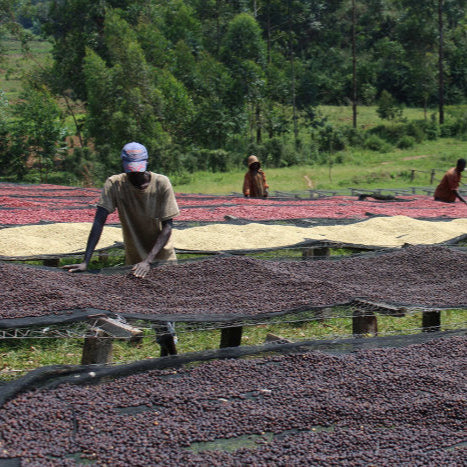
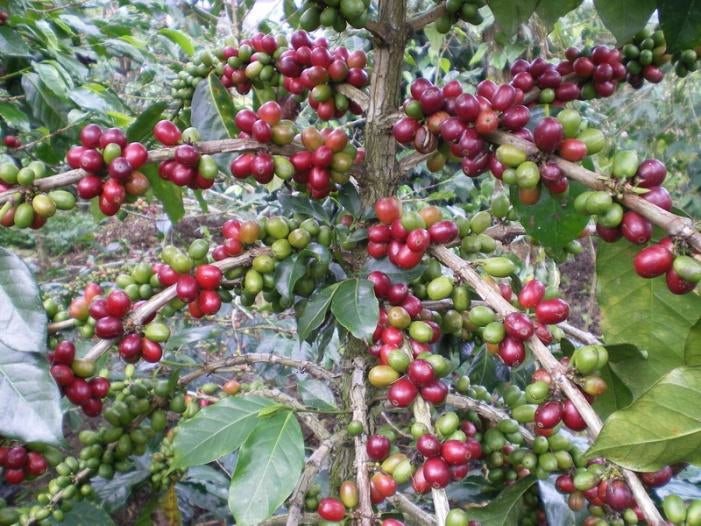
For coffee lovers, the journey from a green bean to a fragrant cup starts on a coffee bean tree. In Sumatra, many coffees come from robust, high-altitude plantations where the trees produce what connoisseurs call high-grown beans. These beans often yield a syrupy body and pronounced earthy tones, which blend nicely with the region’s humidity and climate. When we talk about coffee beans types, the primary distinction most people notice is between Arabica and Robusta. Sumatra Ribang Gayo typically features high-quality Arabica beans, known for their nuanced sweetness, balanced acidity, and complexity. This origin story—grown on careful estates, harvested by hand, and processed with attention—helps explain why a cup can taste so distinctly different from other regions.
If you’re browsing online shops for coffee beans, you’ll often see a range of price points. Coffee beans price varies with origin, processing method, roast level, and whether the offering is fair-trade or estate-sourced. A well-curated Sumatra single-origin like Ribang Gayo tends to sit in a fair range for specialty coffees, reflecting the care put into cultivation and handling. When you view images for a product—many stores use multiple formats, including PNGs with clear backgrounds and high-resolution JPGs—look for details on origin, roast date, and tasting notes as you compare options.
Brewing Best With Sumatra Ribang Gayo
To coax out the banana, spiced rum, and cedar notes, start with a clean grind that matches your brew method. A pour-over with a 1:15 to 1:18 coffee-to-water ratio is a reliable approach; aim for water just off the boil (about 200°F or 93°C) and slowly bloom the grounds for 30–45 seconds to release aroma. If you prefer a fuller mouthfeel, a French press at a coarser grind with a 1:12 ratio can emphasize body and spice without muting the intricate flavors. Keep your equipment clean and calibrated to prevent any dull or off flavors from masking the coffee’s natural profile. As you experiment, you’ll notice how the cedar notes become more pronounced as you adjust grind size and water temperature.
Buying Coffee Beans Online: What to Look For
Buying coffee beans online lets you discover artisan roasters and rare origins like Sumatra Ribang Gayo. When scanning options, consider roasting date and packaging. Freshly roasted beans deliver the brightest flavors, especially for a complex cup with fruit and spice notes. The right packaging—ideally a resealable bag with a visible roast date—helps maintain aroma and flavor between uses. If you’re curious about the broader spectrum of beans online, you’ll often see a mix of light, medium, and dark roasts; knowing your preference helps you narrow the field quickly. For many shoppers, it’s reassuring to read tasting notes that align with what they enjoy in a morning cup or an afternoon pick-me-up.
For bloggers and brew-curious readers, signs of quality often appear in the bean's provenance. Exploring different coffee beans types reveals the range from bright and citrusy to deep and earthy. Sumatra Ribang Gayo leans into bold, earthy character with unexpected sweetness—an experience that rewards a thoughtful grind and a deliberate brew. If you’ve ever wondered about the visual side of coffee marketing, images labeled as PNG can provide clean product photos for websites and catalogs, helping you compare color and roast visually before buying.
Serving Suggestions and Storage
To preserve Sumatra Ribang Gayo’s distinctive profile, store beans in an airtight container away from light and heat. Ground coffee should be used promptly, as exposure to air accelerates flavor loss. For brew days, consider pairing this coffee with a breakfast pastry or a chocolate treat to complement its banana-soft sweetness and cedar notes. If you roast your own beans or buy from a local roaster, aim to consume them within a few weeks of roast date for the best aroma and flavor. The versatility of Ribang Gayo makes it a reliable choice for weekday mornings and weekend coffee rituals alike.
Conclusion: Where to Experience Sumatra Ribang Gayo
Sumatra Ribang Gayo is a standout option for anyone who enjoys a full, layered cup with natural sweetness and a touch of spice. Its distinctive flavor profile—banana, spiced rum, and cedar—pairs well with a variety of foods and creates a memorable coffee moment. If you’re new to Sumatra or want to expand your single-origin collection, this roast is a strong candidate to explore online with confidence. The next step is simple: try a bag yourself and notice how the flavors evolve with different brewing methods and grind sizes.
Decaf Coffee Guide: East Africa Decaf from Inheritance
Decaf coffee has long been misunderstood as offering flat flavors or weaker caffeine-free experiences. In reality, the best decaf can deliver vibrant, origin-true taste without the jitters. This guide explores decaf coffee, what makes East Africa Decaf by Inheritance Coffee unique, and how to brew it to highlight its natural sweetness, chocolate notes, and bright fruit accents. Whether you’re new to decaf or a long-time fan, you’ll learn practical tips to enjoy a cup that feels full-bodied and satisfying, even without caffeine.
In this article, we focus on decaf coffee as a general product category, and we shine a light on East Africa Nya-Nye SWP Decaf — a rich, approachable option from Inheritance Coffee. As you read, you’ll see how origin, decaffeination method, and grind choice shape flavor, aroma, and mouthfeel. By the end, you’ll have a clear sense of when to reach for East Africa Decaf and how to brew it like a pro.
What is decaf coffee?
Decaf coffee is regular coffee that has undergone a process to remove most of its caffeine. The goal isn’t to remove all caffeine (which is nearly impossible) but to reduce it to a level that still preserves the bean’s flavor profile. There are several decaffeination methods—water-based, solvent-based, and Swiss Water Decaf being among the most common. Each method has its own impact on flavor, body, and aroma. For many drinkers, the right decaf delivers the same origin notes they expect from a caffeinated roast with a smoother finish and fewer jitters.
When you taste a well-made decaf, you want bright acidity, balanced sweetness, and a clean aftertaste. The best decafs preserve the characteristic flavors of the origin bean—think fruity notes, chocolatey richness, and a lively aroma—while keeping caffeine at a whisper. East Africa Decaf, produced by Inheritance Coffee, aims to deliver that balance through careful sourcing, gentle processing, and mindful roasting that respects the beans’ natural traits.
🛍️ Product
East Africa Decaf
East Africa Nya-Nye SWP Decaf
by Inheritance Coffee
✓ Available
🛒
View Product
Why East Africa Decaf stands out
East Africa is renowned for coffee with vibrant acidity, complex fruity notes, and a distinct brightness that lifts the cup. East Africa Nya-Nye SWP Decaf from Inheritance Coffee seeks to honor that profile even after the decaffeination process. The SWP (Swiss Water Process) method is a chemical-free approach that relies on temperature and diffusion to remove caffeine while maintaining flavor compounds. The result is a cup that can retain citrus-like brightness, stone fruit nuances, and a clean, sweet finish—traits many coffee lovers associate with East African origins.
Flavor-wise, you might notice a light-bodied to medium-bodied mouthfeel with an approachable sweetness and a clean, lingering finish. This makes East Africa Decaf a versatile option for everyday coffee drinkers, people at the office, or anyone who values consistent flavor without the intensity of caffeine. The beans are sourced with care, roasted to enhance both the origin character and the decaf profile, so you don’t have to compromise on aroma or body when you choose a decaf option.
Brewing East Africa Decaf for the best flavor
Brewing decaf coffee well often comes down to a few practical choices: grind size, water temperature, and extraction time. For East Africa Decaf, many home brewers find that a slightly coarser grind than a typical medium roast helps prevent over-extraction, which can reveal a dull or flat aftertaste in decafs. Start with a grind similar to table salt and adjust based on taste. Water temperature around 195–205°F (90–96°C) usually works well for pour-over or drip methods, balancing clarity with body.
Brewing methods that emphasize clean extraction—pour-over, drip, or AeroPress with a longer steep—tend to showcase East Africa Decaf’s bright notes without becoming sour. If you prefer espresso, a dialed-in shot with a slightly longer pull can yield a rich crema and a chocolatey finish, provided you maintain good grind consistency and caution on extraction time. Storage matters too: keep the coffee away from moisture and strong odors to preserve its delicate flavors between brews.
How to choose and use decaf coffee in daily rituals
Choosing a decaf is about flavor compatibility with your routine. If you love a bright, citrusy cup in the morning, East Africa Decaf can be a strong fit due to its origin character and clean finish. For those who enjoy a comforting mug in the afternoon, this decaf offers sweetness and depth without the caffeine spike. Consider pairing decaf with your favorite food pairings—fruity pastries for a lively morning cup or a dark chocolate nib for a deeper, indulgent experience in the afternoon.
What is the caffeine content in decaf?
Decaf coffee typically contains a small amount of caffeine—often around 2–5 mg per 8-ounce cup, though this can vary by bean, decaf method, and roast level. East Africa Decaf is designed to provide a satisfying coffee experience with minimal caffeine impact, which makes it a practical choice for those who are caffeine-sensitive, pregnant, or looking to limit intake while still enjoying coffee rituals.
Pros and cons of decaf coffee
Decaf coffee offers several advantages: it enables late-day enjoyment, reduces caffeine-related jitters for sensitive individuals, and still delivers much of the flavor profile of the origin beans. On the downside, decaf can sometimes exhibit slight flavor differences compared to its caffeinated counterpart, depending on the decaffeination method and roast. With East Africa Decaf, the Swiss Water Process helps minimize flavor loss, aiming for a flavor-rich cup that remains approachable any time of day.
Is decaf coffee available at Starbucks?
Many major coffee chains, including Starbucks, offer decaf options. Availability can vary by location and season, but decaf blends and single-origin decafs are common. If you’re seeking a high-quality decaf experience similar to East Africa Decaf, look for Swiss Water or alternative gentle decaffeination methods that emphasize origin flavors and smoothness rather than masking them with heavy roasting.
Is decaf coffee safe during pregnancy?
Most health guidelines suggest moderating caffeine intake during pregnancy. Decaf coffee can be a safer alternative when you want to maintain a daily coffee ritual without consuming significant caffeine. It’s still wise to consult with a healthcare professional about your personal caffeine limits and to choose decafs that minimize caffeine content while preserving flavor — East Africa Decaf is designed with that mindful approach in mind.
Choosing a decaf that aligns with your taste preferences and health goals can help you keep enjoying coffee moments with confidence. The East Africa Decaf from Inheritance Coffee represents a thoughtful option for those who want authentic origin notes with a gentler caffeine footprint.
Conclusion
Decaf coffee doesn’t have to mean sacrificing flavor. East Africa Decaf from Inheritance Coffee showcases how a Swiss Water Process can preserve the vibrant notes of East African origin while keeping caffeine to a minimum. By selecting the right grind, controlling temperature, and choosing a method that highlights sweetness and brightness, you can craft a cup that feels as full as a caffeinated brew—without the extra caffeine burden. If you’re curious about exploring decaf with authentic origin character, East Africa Decaf is worth a try for your everyday coffee routine. Embrace the ritual, savor the aroma, and enjoy a cup that fits your schedule and your taste buds.
ASCENT by Inheritance: A Rich, Balanced Coffee Blend
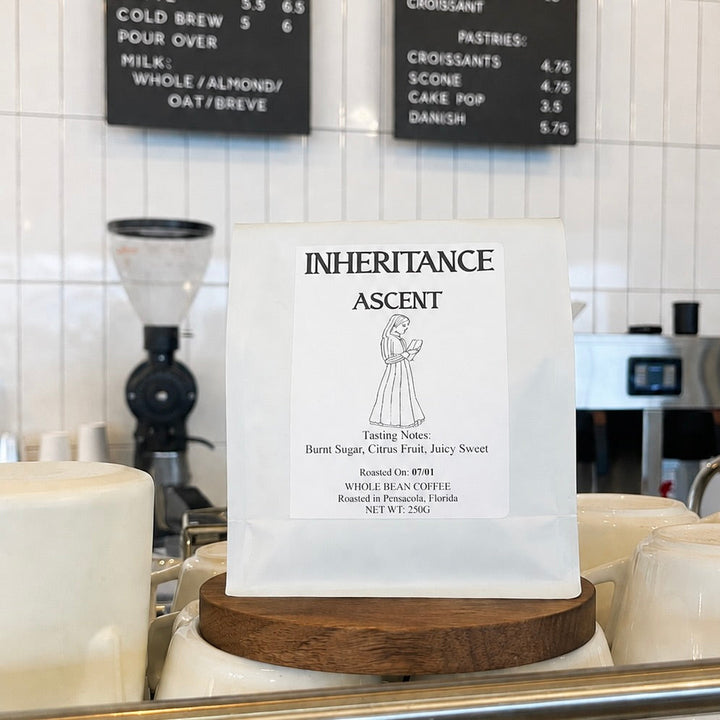
Every coffee lover knows that the right blend can turn an ordinary morning into a small ritual. ASCENT by Inheritance is a thoughtfully roasted coffee blend designed to excite the palate while remaining versatile enough for any brew method. While it shines as an espresso, it is balanced enough to work beautifully in a variety of preparations, from pour-over to French press. The tasting notes—burnt sugar, citrus, and juicy sweets—make it a delightful journey from the first sniff to the last sip. If you’re exploring your next coffee purchase, ASCENT offers a thoughtful profile that pairs especially well with milk and subtle flavor companions like vanilla or chocolate.
This guide dives into how ASCENT fits into a modern coffee routine, why it’s a great all-day option, and how to bring out its best in your home brewing. We’ll also cover what a coffee blend is, how roasters describe flavor profiles, and practical tips for selecting and enjoying a blend like ASCENT. By the end, you’ll know exactly how ASCENT can fit into your coffee life, whether you brew at home or serve guests at a church coffee ministry, a café, or in a workplace break room.
What makes ASCENT a versatile coffee blend?
ASCENT is crafted to be approachable across brew methods. Its balanced roast level keeps acidity vibrant without overpowering sweetness, so it works well whether you’re dialing in an espresso shot for a velvety crema or letting a pour-over bloom with complex aromas. The flavor notes are intentionally broad: a touch of burnt sugar that gives warmth, citrus brightness for lift, and juicy sweetness that lingers pleasantly. This combination makes ASCENT forgiving for home brewers while still offering depth for those who crave a more nuanced cup. The result is a coffee that can satisfy a morning espresso ritual and still hold up when you switch to milk, vanilla, or chocolatey add-ins.
🛍️ Product
ASCENT by Inheritance
ASCENT is a thoughtful blend of interesting coffees roasted to excite the palate. This particular blend is well-balanced for all brew methods, though ...
by Inheritance Coffee
✓ Available
🛒
View Product
For households, small cafés, or church hospitality settings, a versatile blend reduces decision fatigue. If you want one coffee to handle multiple methods, ASCENT is a reliable fit. The balance supports milk-based drinks like cappuccinos and lattes, while still delivering clean, bright characteristics when prepared as a straight shot or a lighter filter brew. In practical terms, ASCENT offers predictability without sacrificing personality—an ideal combination for everyday use.
How to think about flavor in a blend: roasters describe blends to capture a spectrum of flavors that work together rather than a single dominant taste. With ASCENT, you’ll notice that burnt sugar adds warmth, citrus provides lift, and juicy sweetness rounds out the cup. This balance makes it easier to pair with common add-ins like vanilla or chocolate, which can enhance the natural notes without overwhelming them.
Brewing ASCENT: Best methods for flavor
Because ASCENT is designed to be balanced, you’ll get good results with most common brew methods. If you enjoy a classic espresso, aim for a medium grind and a 1:2 to 1:2.5 brew ratio to highlight body and crema. For filter lovers, a medium grind with a 1:15 to 1:17 ratio works well and lets the citrus notes sing without bitterness. The versatility also shines with milk-based drinks; the blend’s sweetness can smooth milk textures, creating a creamy, well-rounded cup.
Espresso: moderate dose, fine grind, and a short extraction to emphasize body and sweetness.
Pour-over: steady pour, even bloom, and a bright, balanced cup.
Aeropress: flexible parameters to fine-tune acidity and strength.
When pairing with add-ins, try a touch of vanilla or a whisper of chocolate to enhance the natural notes we taste—burnt sugar and citrus—without masking them. If you’re serving ASCENT in a hospitality setting, offer a small milk to let guests explore how the blend interacts with dairy or plant-based alternatives.
Frequently Asked Questions about coffee blends
What is a coffee blend?
A coffee blend combines beans from two or more origins to balance flavor, aroma, and body. The goal is a harmonious cup that remains consistent from batch to batch. ASCENT by Inheritance follows that idea, delivering a balanced profile that works across brew methods while preserving distinct notes.
How are coffee blends described?
Roasters describe blends using terms like aroma, acidity, body, sweetness, and aftertaste. They often list tasting notes that give you a sense of what to expect. For ASCENT, you’ll find notes such as burnt sugar, citrus, and juicy sweetness—together creating a well-rounded, lively cup.
What is Mocha Java blend ratio?
Mocha Java is a classic blend concept that combines beans from the Yemen/Mocha region with Indonesian Java. It’s traditionally balanced between bright, fruity notes and earthy, chocolatey flavors. While ASCENT is not a Mocha Java blend, readers exploring legacy coffee blends may enjoy the idea of balancing contrasting origins to achieve a coherent cup.
Pairings, storage, and care for ASCENT
To keep ASCENT tasting fresh, store it in a cool, dry place in a tightly sealed bag or container away from sunlight. Freshness matters for flavor accuracy, especially if you’re aiming for nuanced tasting notes like citrus brightness. Ground coffee will lose aroma faster, so consider grinding just before brewing for the best expression of burnt sugar and fruity sweetness.
Pair ASCENT with milk to soften the citrus and bring out creamy textures in espresso-based drinks. Vanilla and chocolate flavors complement the natural sweetness, turning a simple cup into a small dessert moment. If you’re brewing for guests, offering both a straight espresso and a milk-based drink can showcase the blend’s versatility.
Second product recommendation and final thoughts
For households, coffee bars, or church hospitality settings that want a one-coffee solution, ASCENT is a strong choice. Its balance makes it a reliable pick for mixed-method brewing and for coffee lovers who appreciate a nuanced, approachable cup.
In the end, ASCENT by Inheritance offers a thoughtful, flavorful experience with broad appeal. Whether you’re dialing in a precise espresso shot or enjoying a comforting mug in the afternoon, this blend brings warmth, brightness, and sweetness into harmony. It’s a dependable companion for those who value both craft and consistency in their daily coffee ritual.
Conclusion
ASCENT by Inheritance is more than just a coffee blend; it’s a carefully composed experience designed to elevate everyday moments. Its balanced profile—burnt sugar warmth, citrus lift, and juicy sweetness—pairs beautifully with milk and subtle flavors like vanilla or chocolate. Whether you brew it as espresso or explore it through filter methods, ASCENT offers reliable consistency with engaging flavor. If you’re seeking a versatile, approachable coffee that can satisfy a range of preferences, ASCENT is a strong candidate for your next bag. Consider trying ASCENT to discover how a thoughtful roast and blend can transform your daily cup.
Explore ASCENT by Inheritance today and let your coffee routine rise to a new level of flavor.
Burundi Coffee Kigina Colline: Flavor & Brewing Tips
If you love coffee that carries bright fruit notes with a deep, chocolatey finish, this Burundi coffee delivers. The Burundi Colline Kigina from Inheritance Coffee showcases a distinctive blend of blackberry, fig, and dark chocolate flavors that linger pleasantly on the palate. In this guide, you’ll learn where Kigina Colline comes from, how to brew it to highlight its unique profile, and how to store and enjoy it at its best. Whether you’re a daily dripper or a weekend espresso enthusiast, understanding this origin helps you taste more in every cup. This Burundi coffee is a great example of how terroir — altitude, soil, and processing — can shape a memorable cup.
What Makes Burundi Colline Kigina Unique
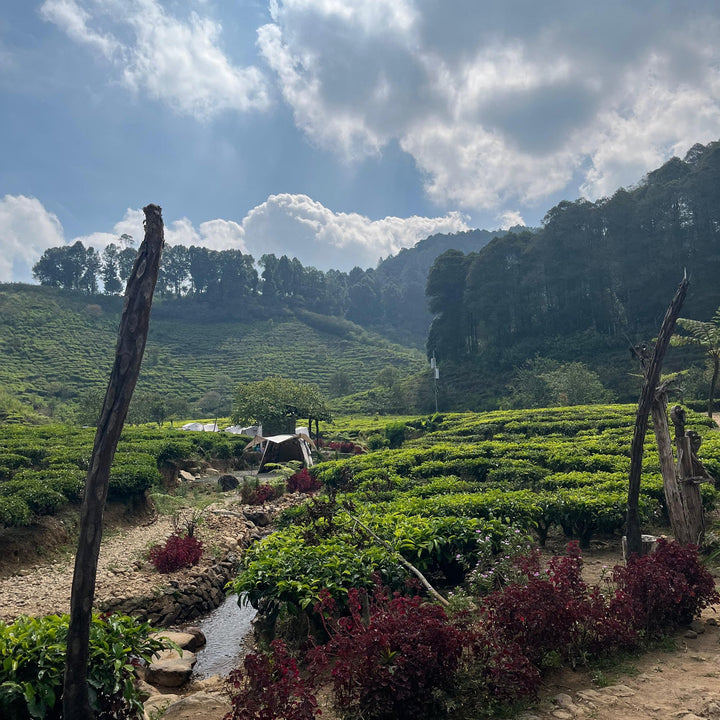
Burundi Colline Kigina hails from a highland region where cool nights and rich soils nurture delicate flavors. Coffees from this area are often washed, allowing the fruit sweetness to shine while maintaining a clean cup structure. Kigina Colline’s profile centers on ripe blackberry with a contrasting note of fig, rounded out by a dark chocolate finish that lingers after swallowing. This combination makes it approachable for everyday drinking yet complex enough for tastings and cuppings with friends. The beans from Inheritance Coffee are typically harvested at elevations that encourage bright acidity paired with sweet fruit notes, a hallmark of many Burundi origins.
What is Burundi Colline Kigina? It is a single-origin coffee from Kigina Hill in Burundi, produced under the careful process of careful wet processing to highlight clean sweetness and lively acidity. The result is a cup that carries fruit-forward aromatics and a chocolatey aftertaste, making it versatile for pour-overs, French press, or espresso-based drinks.
What flavors does this coffee offer? Expect bright blackberry aromas, a grape-like fig sweetness mid-palate, and a lingering dark chocolate finish. These notes are balanced by a medium body and a crisp acidity that make it both comforting and intriguing to explore in a tasting session.
🛍️ Product
Burundi Colline Kigina
Blackberry, fig, dark chocolate
by Inheritance Coffee
✓ Available
🛒
View Product
For best results, grind the beans just before brewing and pay attention to water temperature and brew time. The right variables will bring forward Kigina Colline’s fruit character without letting the cup feel flat or sour.
How to Brew Burundi Colline Kigina for Maximum Flavor
Brewing this Burundi coffee is about balancing sweetness, acidity, and body to reveal its signature blackberry-fig-chocolate profile. Whether you prefer a clean pour-over or a richer immersion method, the right technique will help you taste its distinct origin notes. Start with the simplest equipment and adjust as you learn your palate.
Best brewing methods for Kigina Colline include pour-over (Hario V60 or Chemex), and a classic French press for a fuller body. An AeroPress can also showcase the fruit brightness with a clean finish if you use a medium grind and a gentle immersion. Each method has its own charm and can emphasize different aspects of the coffee’s profile.
Grind size: medium-fine for pour-over; medium for French press; adjust to taste for AeroPress.
Water temperature: aim for 195–205°F (90–96°C) to balance acidity and sweetness.
Ratio: start around 1:15 to 1:17 (coffee:water) and adjust based on strength preference.
A typical pour-over workflow might begin with a brief bloom of 30–45 seconds to release CO2, followed by a steady pour in concentric circles. This approach helps lift the bright fruit notes and keeps the chocolate finish clean and pleasant.
If you want to maximize Kigina Colline’s flavor without complicating the process, keep the ratio steady, control the pour rate, and enjoy fresh grounds. The result should be a cup that walks a line between fruit-forward sweetness and a refined chocolate edge.
Storage, Freshness, and Pairings
To preserve Kigina Colline’s brightness and sweetness, store beans in an opaque, airtight container away from light, heat, and moisture. Coffee begins to lose aroma once roasted, so aim to grind just before brewing. A cool, dry pantry is ideal for short-term storage, while freezing is sometimes used for long-term preservation (in portioned bags) if you don’t roast frequently.
The flavor notes of blackberry, fig, and dark chocolate pair beautifully with certain foods. Dark chocolate or berry desserts echo the cup’s fruit profile, while salty nuts or a creamy cheese can create a pleasing contrast that enhances the chocolate finish. If you’re hosting a tasting, offer Kigina Colline alongside a small cheese plate or a dark chocolate nib to highlight the cup’s complexity.
Buying Burundi Coffee: What to Look For
When selecting Burundi coffee, look for clear origin information and processing details. A fully washed profile is common for Burundi and tends to yield a crisp, clean cup with bright acidity—perfect for showcasing the fruit notes Kigina Colline offers. As with many single-origin coffees, freshness matters, so check roast dates and buy from trusted roasters like Inheritance Coffee to ensure consistency.
Roast level decisions influence how Kigina Colline’s flavors come through. A light to light-medium roast tends to emphasize acidity and fruit aromas, while a medium roast can pull out a richer chocolate base without muting the fruit notes. For espresso, a careful dial with a slightly longer extraction can yield a balanced cup with chocolate and berry hints.
For home brewers, grind just before brewing, use a consistent grind size, and adjust water temperature and ratios to your taste. Burundi coffees from reputable vendors will typically offer notes and recommended brewing parameters—use these as a starting point and tailor to your own palate.
Conclusion
Burundi Colline Kigina is a compelling choice for coffee lovers who crave bright fruit, delicate sweetness, and a chocolatey finish. By understanding its origin, selecting the right roast, and applying thoughtful brewing techniques, you can savor the full spectrum of its blackberry and fig flavors with a satisfying cocoa tail. If Kigina Colline resonates with your palate, consider adding it to your rotation from Inheritance Coffee and explore how small changes in grind, temperature, and ratio reveal new nuances in every cup.
Ready to try? Explore Burundi Colline Kigina from Inheritance Coffee and discover how this distinctive origin can elevate your daily brew.
Java Bukit Paniisan Coffee Beans: Flavor, Roast & Brew
If you’re hunting for a coffee with depth and a clean finish, coffee beans from Java Bukit Paniisan deliver. Crafted by Inheritance Coffee, this Indonesian roast blends cocoa, peach, and spice into a balanced cup that shines whether you brew a simple pour-over or a richer immersion. In this guide, you’ll learn how to identify the tasting notes, choose the right grind and roast level, and adopt brewing practices that showcase the beans’ natural sweetness and lively acidity. Whether you’re new to specialty coffee or a seasoned home barista, these tips will help you extract the full character of this distinct coffee.
Java Bukit Paniisan: cocoa, peach, and spice in a balanced cup.
Flavor Profile of Java Bukit Paniisan
Java Bukit Paniisan is celebrated for its harmonious flavor trio: cocoa richness, a bright streak of peach, and a warm spice edge. The cocoa adds depth and a comforting feel, while the peach contributes gentle fruitiness that doesn’t overwhelm the cup. The spice note—think cinnamon or clove—gives the finish a subtle tang that keeps the coffee interesting from first aroma to the last sip. This combination tends to pair well with a medium roast that preserves sweetness and avoids blunt bitterness. For best results, start with clean water and a consistent grind to reveal each layer of flavor without muddying the cup. coffee beans
The aroma invites curiosity before you even taste: a chocolatey, toasty scent with a hint of fruity brightness. In a well-executed brew, the mouthfeel lands as medium-bodied with a velvety texture that carries the cocoa through the mid-palate, then closes with a gentle, spicy warmth. If you’re tasting this coffee for the first time, try a simple setup that highlights sweetness and clarity—especially useful for discerning the peach-like acidity and the spice’s spice-kick at the finish.
🛍️ Product
Java Bukit Paniisan
cocoa, peach, spice
by Inheritance Coffee
✓ Available
🛒
View Product
Brewing Java Bukit Paniisan: How to Extract the Best Flavor
The way you grind and brew has a big impact on how these beans express their character. A medium grind works well for many pour-over methods, allowing a clean extraction that preserves the delicate fruit notes without over-emphasizing bitterness. If you prefer immersion-style brews like French press or moka pot, you’ll want a coarser grind to reduce over-extraction and keep the peach brightness from getting flattened by heavy oils. The key is consistency: measure your coffee by weight, control the water temperature, and breathe a little as you taste for balance. Here are practical steps to start with:
Grinding for Optimal Flavor
Pour-over or drip: medium grind for clean, expressive flavor.
French press: coarse grind to avoid muddy cups.
AeroPress: medium to fine grind depending on recipe (add a touch with a short steep).
Consistent grind size helps ensure even extraction, so you capture the cocoa richness without dulling the spice notes. Freshly ground beans will also preserve the peachy acidity that makes this coffee feel vibrant on the palate.
Brewing Methods to Try
Pour-over: Use a 1:15 to 1:17 coffee-to-water ratio, water just off boil (195–205°F / 90–96°C), and a slow, circular pour to saturate all grounds evenly. This method tends to highlight the bright peach notes and keeps the spice finish nuanced.
French press: A coarser grind and a 4-minute brew can emphasize body and signature cocoa sweetness, while still allowing the spice to peek through in the aftertaste.
AeroPress: Try a 1:12 ratio with a short 1–2 minute brew and a gentle plunge to showcase clarity and dessert-like chocolate with a fruit-forward edge.
Storage, Freshness, and Care for Your Beans
After roasting, coffee beans begin to lose their peak aroma and flavor as soon as they’re exposed to air. To keep Java Bukit Paniisan tasting bright, store beans in an airtight container away from light and heat. Avoid refrigerating whole beans; instead, keep them in a cool, dark cupboard and grind just before brewing to maximize flavor. If you buy in larger quantities, consider dividing beans into weekly portions to minimize repeated exposure. Freshness matters more than you might expect when chasing those cocoa-peach-spice notes.
Regularly cleaning your grinder and coffee maker helps prevent stale flavors from masking the beans’ natural sweetness. When you revisit this coffee weekly, you’ll notice how the flavor evolves with grind size, brewing method, and water quality—and how the cocoa, peach, and spice notes stay distinctly present across methods.
FAQ: Common Questions About Java Bukit Paniisan
What is Java Bukit Paniisan coffee?
Java Bukit Paniisan is a specialty coffee from Indonesia, crafted by Inheritance Coffee. It’s known for a balanced flavor profile that blends cocoa richness with fruity peach notes and a warm spice finish.
What flavors should I expect?
Expect cocoa-forward sweetness complemented by a lively peach-like brightness and a gentle spice note in the finish. The overall cup tends to be approachable yet complex.
How should I grind this coffee?
Target a grind size that matches your brew method: medium for pour-over, coarse for French press, and adjustable for AeroPress depending on recipe. Consistency is key for even extraction.
How should I store coffee beans?
Store in an airtight container away from light and heat. Grind only as needed to preserve aroma and flavor. Avoid refrigeration for whole beans.
What brewing method best showcases the flavor?
Pour-over or drip brewing typically highlights the peach brightness and keeps the cocoa and spice well balanced. Experiment with other methods to see how body and finish shift.
For a coffee with a clear, comforting character and a surprising bright finish, Java Bukit Paniisan offers a reliable, flavorful experience from start to finish. As you tweak grind size, brewing technique, and water quality, you’ll learn how this beans’ signature notes respond to your approach.
Conclusion: Elevate Your Morning with Java Bukit Paniisan
Java Bukit Paniisan showcases how Indonesian coffee can blend deep cocoa, fruity peach, and subtle spice into a refined cup. By choosing the right grind, optimizing your brew method, and keeping beans fresh, you’ll consistently pull a flavorful, well-balanced coffee that carries you through your day. If you’re ready to explore a bean with personality and range, consider adding Java Bukit Paniisan to your coffee ritual today. Taste the notes, adjust your technique, and enjoy a new favorite in your rotation.
Master Café-Quality Coffee at Home with the Ratio Six
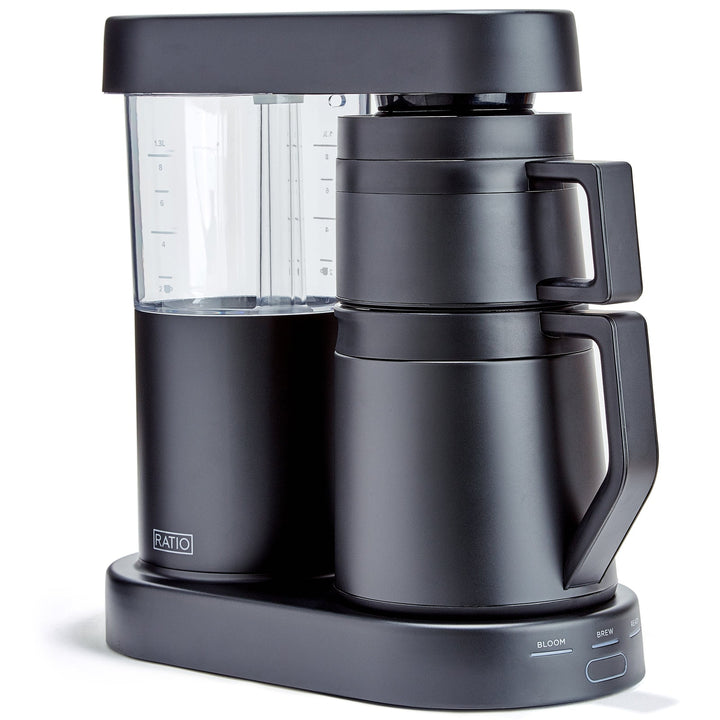
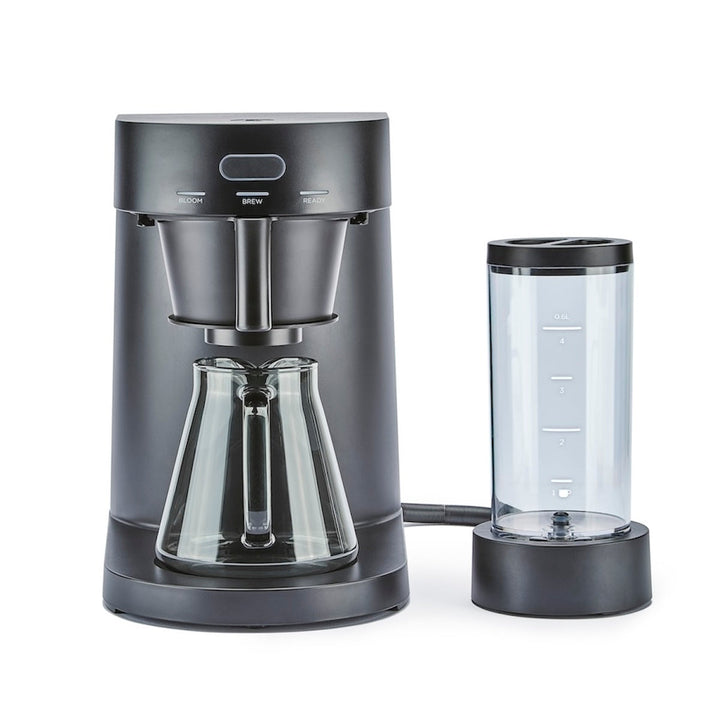
Waking up to a carafe of coffee that tastes like it came from a boutique cafe can transform a morning. The Ratio Six Coffee Brewer from Ratio makes that dream a reality with the push of a button. The Series 2 model focuses on an automated pour-over process that balances heat, water flow, and contact time to deliver a perfect pot—up to eight cups (40 oz)—every day.
If you’ve tried different home methods, you know the challenge of achieving consistency. The Ratio Six is designed to remove the guesswork while preserving the nuanced flavors of your favorite beans. It’s built with premium materials and a thoughtful design that’s meant to last, so you can enjoy café-grade coffee without leaving your kitchen.
Automated Pour-Over: Consistency in Every Cup
The Ratio Six automates the pour-over process, ensuring a precise bloom and even extraction. By carefully managing water temperature and flow, it makes sure each ground receives the right contact time. The result is a cup that tastes reliably balanced from morning to morning, even if your routine changes on weekends.
With a capacity of up to 8 cups, this brewer is ideal for households, shared kitchens, or a small office. The carafe design helps keep the brew warm without overcooking it, so aroma and flavor stay vibrant from the first sip to the last.
🛍️ Product
Ratio Six Coffee Machine
World-class coffee with a push of a button. The Ratio Six Series 2 offers: Automated pour over process that delivers a perfect carafe of coffee, every...
by Ratio
✓ Available
🛒
View Product
For coffee lovers who have explored options like a coffee maker french press or tried a Bodum setup, the Ratio Six offers a different kind of clarity. It preserves the aromatic compounds and fruity or chocolatey notes you love, while delivering a cleaner cup with less sediment and a more uniform extraction.
Precision, Heat, and Flavor You Can Depend On
At the heart of Ratio Six is a precision heating system that keeps water at the optimal brewing temperature. Combined with controlled water distribution, the brewer avoids common problems like channeling and uneven extraction. The result is a cup that can reveal the origin’s true character—bright fruit notes in some origins and deeper, chocolatey undertones in others.
The one-button operation makes it easy to get great results without a barista-level setup. It’s a thoughtful balance of automation and control—enough to craft a consistent brew, but simple enough to use every day.
Is Ratio Six Right for Your Kitchen?
Whether you’re a daily home barista or someone who wants dependable, high-quality coffee with minimal effort, Ratio Six fits into a kitchen that values reliability and flavor. If you’ve leaned on a traditional coffee maker in the past, you’ll notice the cleaner, more nuanced profile that comes with the pour-over approach. And if you sometimes dream of outdoor brewing, know that Ratio Six is designed for indoor countertop use; for outdoor adventures, many people opt for portable manual methods that travel well with a compact kettle and mug.
There’s a touch of German-inspired precision in its design philosophy: meticulous heat control, careful water flow, and durable construction that’s built to last. This isn’t just about making coffee—it’s about making it consistently well, day after day.
Tips to Brew Your Best with Ratio Six
Grind fresh just before brewing; a medium grind works well for many origins on the Ratio Six.
Use clean, filtered water to keep flavors bright and free of mineral bias.
Experiment with grind size and ratio to emphasize brightness or body.
Pre-wet the grounds and allow a brief bloom before pouring in the rest to maximize aroma.
Maintenance and Care for Long-Lasting Flavor
Regular cleaning is key to preserving flavor. Rinse the carafe and any filter components after brewing, wipe down the exterior, and occasionally descale if your water is hard. While the Ratio Six uses premium materials designed for daily use, keeping the system clean helps maintain consistent performance and flavor over time.
Getting the Most from Your Ratio Six Brew
For a typical eight-cup batch, start with a moderate grind and a coffee-to-water ratio around 1:15 to 1:17, then adjust to taste. If you’re aiming for a brighter cup, try a slightly finer grind and a shorter brew time. If you prefer more body, a coarser grind and a touch longer brew can bring out deeper flavors without sacrificing clarity.
Conclusion: Elevate Your Mornings with Café-Quality at Home
Investing in the Ratio Six means elevating your daily coffee ritual with reliable, high-quality results. The automated pour-over workflow, premium build, and intuitive operation combine to deliver café-like flavor with minimal effort. If you’re comparing options like a Bodum French press or other traditional coffee makers, you’ll notice the Ratio Six’s cleaner extraction and consistent taste across every cup.
Ethiopia Birbirsa Coffee: Bright, Fruity Light Roast Guide
If you’re chasing a coffee that captures the spirit of its origin, Ethiopia Birbirsa delivers a clean, vibrant cup with a lively acidity. This single-origin coffee from Inheritance Coffee is roasted light to emphasize its natural sweetness and fruity notes. With tasting thoughts like granola, mango, and orange, Birbirsa is designed to sing when brewed with care, making it a reliable choice for both everyday mornings and thoughtful tasting sessions.
For many coffee enthusiasts, the journey from bean to cup starts with a clear understanding of what makes a coffee unique. With Birbirsa, you’ll notice a bright, clean profile that’s easy to enjoy with milk or enjoy as a bright black cup. This guide will walk you through the key elements that shape Birbirsa’s flavor, how to brew it to highlight its best traits, and practical tips for buying coffee beans online without sacrificing quality.
What makes Birbirsa stand out
Ethiopia Birbirsa comes from high-altitude terrain, grown at about 2100 meters above sea level. The combination of altitude, careful cultivation, and a natural processing method contributes to the coffee’s distinctive acidity and fruit-forward character. The light roast profile helps preserve delicate aromatics and the nuanced notes you’ll taste in the cup.
When you appreciate a coffee like Birbirsa, you’re also appreciating the land and the care that goes into each batch. The granola-like depth provides a toasty foundation, while mango and orange brighten the finish. These flavors are a hallmark of careful processing and a bright, clean cup that doesn’t overwhelm with bitterness or heaviness.
🛍️ Product
Ethiopia Birbirsa
This is a very clean natural coffee. It boasts a pleasant acidity that pairs well with milk. We taste notes of granola, mango, and orange. Roast Profi...
by Inheritance Coffee
✓ Available
🛒
View Product
From bean to cup: the Birbirsa story
Coffee plants grow on a plant known as Coffea arabica, often referred to as Arabica. In Ethiopia, farmers cultivate a wide range of varieties that contribute to the country’s famous coffee heritage. Birbirsa itself showcases the elegance of Arabica beans when they are handled with thoughtful processing and precise roasting. The natural process used for Birbirsa enhances fruit-forward notes, letting the sweetness of the beans shine through in a way that many drinkers associate with Ethiopian coffees.
Choosing a coffee bean like Birbirsa means embracing a story that begins on the tree and ends in your cup. The tree’s beans mature in a climate that supports complex flavors, and the natural drying method concentrates fruity sugars while preserving a gentle acidity. The result is a cup that’s lively yet balanced—perfect for those who want an approachable but distinctive coffee experience.
Brewing Birbirsa for best results
Light-roasted coffees like Birbirsa respond beautifully to precise, clean brewing. A pour-over, such as a Chemex or V60, can illuminate the coffee’s acidity and fruity notes without masking them with excessive extraction. Use a medium-fine grind and a brew ratio around 1:15 to 1:16 (coffee to water). Water at about 195–205°F (90–96°C) helps extract the brightness without pulling harsh flavors.
If you prefer a café-style experience with more body, a gentle immersion method or a French press can still reveal Birbirsa’s character, but you may notice a slightly fuller mouthfeel and a touch more sweetness. In either method, fresh, clean water and a consistent pour ensure you draw out the mango and orange tones while keeping the granola-like depth intact.
Choosing coffee beans online and what to expect
Searching for coffee beans online opens a world of options. When you’re after a bright, Ethiopian single-origin like Birbirsa, it helps to start with trusted roasters and transparent tasting notes. Look for origin, altitude, processing method, roast level, and a clear tasting profile. Birbirsa’s light roast and natural processing are specifically described to help you gauge whether the coffee will deliver the acidity and fruity brightness you want in your brew.
If you’re comparing prices, specialty coffees often fall into a mid-to-premium range due to their quality control, ethical sourcing, and small-batch roasts. You’ll typically see prices that reflect container size, roast date, and origin details. This is where the Birbirsa listing from Inheritance Coffee stands out: it communicates the roast profile, processing method, altitude, and flavor notes so you can decide with confidence.
For shoppers who are curious about the broader world of beans, you’ll often encounter terms like “Arabica,” “single-origin,” and “natural processed.” These terms help describe what you’re buying and the kind of flavors to expect. If you’re just starting a coffee collection, Birbirsa serves as a strong example of how origin and processing shape flavor, making it a great entry point into nuanced tasting notes rather than a generic coffee experience.
Understanding coffee bean trees and types
The coffee bean tree belongs to the Coffea genus, with Coffea arabica being the primary species used for specialty coffees. Arabica trees prefer higher elevations, cooler temperatures, and careful cultivation, all of which contribute to Birbirsa’s refined profile. By choosing a coffee that highlights Arabica’s natural elegance, you’re choosing a cup that often carries more nuanced sweetness and aroma compared to other species. Birbirsa’s Kenyan and Ethiopian neighbors share similar stories of high-altitude growth and careful handling, which is part of what makes Ethiopian beans so celebrated among connoisseurs.
What about coffee bean types, today’s varieties, and pricing
Coffee beans come in countless varieties, but two broad categories matter for flavor and sourcing: Arabica and Robusta. Birbirsa is an Arabica bean, prized for its clarity of flavor and aromatic complexity. Within Arabica, producers offer lots of single-origin lots and blends that reflect regional terroir. When you compare types, consider whether you want a bright, fruity profile (often found in natural-processed Ethiopian coffees) or a smoother, more chocolatey cup (common in washed coffees from other regions).
Prices for coffee beans vary widely based on origin, roast, and packaging. Specialty Ethiopian beans like Birbirsa typically command a premium due to farm-level care, small-batch roasting, and traceability. If you’re pricing out a bag, expect to see ranges that reflect freshness, roast date, and the producer’s sourcing practices. The value comes not just from the price tag, but from the consistent flavor and sustainable sourcing behind a well-made batch.
Visuals and naming: PNGs and more
As you browse online, you’ll notice how coffee images are presented. Many retailers use high-quality PNG images of coffee beans because the transparent backgrounds help the product photos stand out on different page designs. If you’re curating a catalog or a tasting guide, PNGs make it easier to showcase Birbirsa’s bean visuals clearly on light backgrounds, which can help readers imagine the bean before they grind it.
Incorporating Birbirsa into your daily routine
Birbirsa is a versatile coffee that works well for morning rituals and weekend tastings alike. Its bright acidity pairs nicely with milk for a balanced latte, while its fruit-forward notes come through in a clean black cup. Whether you’re new to Ethiopian coffees or you’re refining your palate, Birbirsa offers a reliable, enjoyable flavor profile to add to your rotation.
Conclusion: A bright, approachable Ethiopian coffee
If you’re seeking a clean, naturally processed Ethiopian coffee with clear acidity and fruit notes, Birbirsa is a strong choice. Its light roast preserves delicate aromatics, and its tasting notes—granola, mango, and orange—offer a memorable palate experience without overwhelming the senses. When you shop for coffee beans online, look for a detailed origin story, clear roast level, and honest tasting notes like these to guide your choice. Birbirsa demonstrates how thoughtful sourcing, altitude, and processing combine to create a cup you’ll look forward to brewing each day.
Ethiopia Gerba Dogo: Guji Coffee Guide and Brewing Tips
If you’re exploring coffee beans online, a single-origin like Ethiopia Gerba Dogo offers a compelling sense of place in every cup. This coffee comes from the Gerba Dogo area in the Guji zone of Ethiopia, produced by diverse smallholders and curated by Inheritance Coffee. Expect a bright, nuanced cup that blends floral aromatics with fruity notes—perfect for those who value a clean, expressive flavor in their daily brew.
Originating in a region known for its high-altitude farms and distinct microclimates, Gerba Dogo captures the character of Guji’s terroir. The beans arrive ready for roasting and are often showcased as a showcase of Ethiopian coffee heritage. By choosing this coffee, you’re supporting smallholder farmers and a community that sustains traditional growing practices while embracing modern roasting techniques.
What Makes Gerba Dogo Unique in Guji
Gerba Dogo stands out in Guji for its balance between brightness and sweetness. The cup usually presents a lively acidity, accompanied by fruity notes that can resemble stone fruit or berry tones, all wrapped in a clean finish. Because it’s sourced from multiple smallholders, the profiles can vary slightly from lot to lot, creating a dynamic tasting journey with each batch.
This coffee is well-suited to light to medium roasts, where the beans’ intrinsic clarity can shine through without being overwhelmed by roast flavors. The result is a cup that’s both approachable for everyday brewing and distinctive enough to satisfy coffee enthusiasts who seek nuance. Inheritance Coffee’s stewardship helps ensure consistency while preserving the unique voice of Gerba Dogo’s smallholders.
🛍️ Product
Ethiopia Gerba Dogo
Producer: Various Smallholders Estate: Gerba Dogo Region: Guji Origin: Ethiopia
by Inheritance Coffee
✓ Available
🛒
View Product
From Tree to Cup: Understanding Coffee Beans and the Gerba Dogo Journey
Understanding the journey helps explain why Gerba Dogo tastes the way it does. Coffee begins on a shrub that many people simply call a coffee bean tree. Botanically, the plant is Coffea, with cherries that ripen to reveal two seeds—the beans we roast. When you buy this coffee, you’re experiencing the result of careful farming, precise picking, and thoughtful processing that preserves the bean’s delicate aromatics.
Roasting then unlocks the flavor potential stored in the bean. Roasters aim to reveal the coffee’s inherent sweetness, balance, and aroma profile. For Gerba Dogo, a lighter roast often preserves the tea-like floral notes and citrus brightness that many Guji coffees are known for, while a slightly darker roast can add body without masking the bean’s origin story.
Choosing Coffee Beans Online: What to Look For
Shopping for coffee beans online is about more than price. You want to understand the origin, the processing method, and the roast level. Ethiopian coffees like Gerba Dogo are commonly available as roasted beans, though green beans are also sold by specialty roasters for home roasting. When you browse online, look for transparent sourcing details, farmer co-ops, and certificates that verify ethical and sustainable practices. These factors often correlate with a more consistent, high-quality roast in your household grinder.
Another common question involves coffee bean types. Most Ethiopian coffees, including Gerba Dogo, are Arabica, prized for their nuanced flavors and aromatic quality. The distinction between Arabica and Robusta matters because it influences sweetness, acidity, and body. If you’re shopping online, you’ll likely encounter terms like washed vs natural processing, which affect brightness and fruit-forwardness. In Gerba Dogo’s case, many enthusiasts appreciate the clean, vibrant profile that comes through when the beans are roasted to a light or medium degree.
Price is another consideration when selecting coffee beans online. Prices vary based on origin, farm practices, roast, and packaging. A well-sourced single-origin Ethiopian coffee like Gerba Dogo can be a smart investment for daily or special-occasion brewing, offering a reset of flavors that you won’t always find in blends. When evaluating price, also consider bag size, freshness guarantees, and the supplier’s return or transparency policies.
As you browse, you may also encounter images and product visuals labeled as coffee beans png. While a PNG image isn’t a flavor profile, it can help you compare packaging styles or visualize the product page. The important thing is to pair visuals with sensory notes in the product description so you know you’re selecting a coffee that aligns with your taste preferences.
Brewing Gerba Dogo: Getting the Most From a Bright Guji Cup
To highlight Gerba Dogo’s signature brightness, start with a clean grind and precise water temperature. A pour-over method—such as a V60 or a Chemex—often reveals the coffee’s delicate florals and citrus notes. Use a bloom phase in the first 30 seconds, then pour in a slow, circular motion to maintain an even extraction. Target a brew time around 2.5 to 3 minutes for medium grind size, adjusting slightly based on your grinder and method.
If you prefer a fuller mouthfeel, a light shake of the roasted beans in the grinder to ensure uniform particle size can improve extraction, preventing channels that under-extract or over-extract. For French press or immersion brews, you’ll want a coarser grind and a longer steep to avoid a flat or muddy finish, preserving the coffee’s bright character while adding gentle body.
Pair Gerba Dogo with a light breakfast—yoghurt, citrus fruits, or a pastry that has a touch of sweetness—to balance its acidity. The goal is to enjoy a cup that feels lively and uplifting, not sharp or harsh. If you’re new to Ethiopian coffee, this is a great starter for appreciating the region’s typical balance of aroma, acidity, and refined sweetness.
Storage, Freshness, and Longevity
To maintain flavor, store roasted Gerba Dogo in an airtight container away from light and heat. For longer-term storage, many coffee lovers keep beans in a cool, dark place and use them within a few weeks of roast for peak freshness. If you buy green beans with the intention to roast at home, you’ll benefit from consistent storage and a reliable grinder, which helps ensure you get the most of Gerba Dogo’s complexity with each brew.
Conclusion: Why Gerba Dogo Belongs in Your Coffee Routine
Ethiopia Gerba Dogo offers a well-rounded introduction to Guji’s coffee character: brightness, nuanced fruit notes, and a clean finish that’s approachable for everyday drinking while still exciting for seasoned palates. By choosing beans that come from diverse smallholders, you’re supporting a community-driven approach to specialty coffee—one that values quality, transparency, and tradition.
Why the Turin™ Legato™ V2 Is the Best Home Espresso Upgrade
If you’ve looked into espresso machine commercial models, you know that high-end café machines can cost thousands of dollars. For many home baristas, budget-friendly options at big retailers—like espresso machines at Walmart or Target—offer convenience but often lack the precision and steam power needed for café-quality shots and microfoam. Even popular consumer units from brands like Breville or De’Longhi can fall short on temperature stability or require lengthy heat-up times.
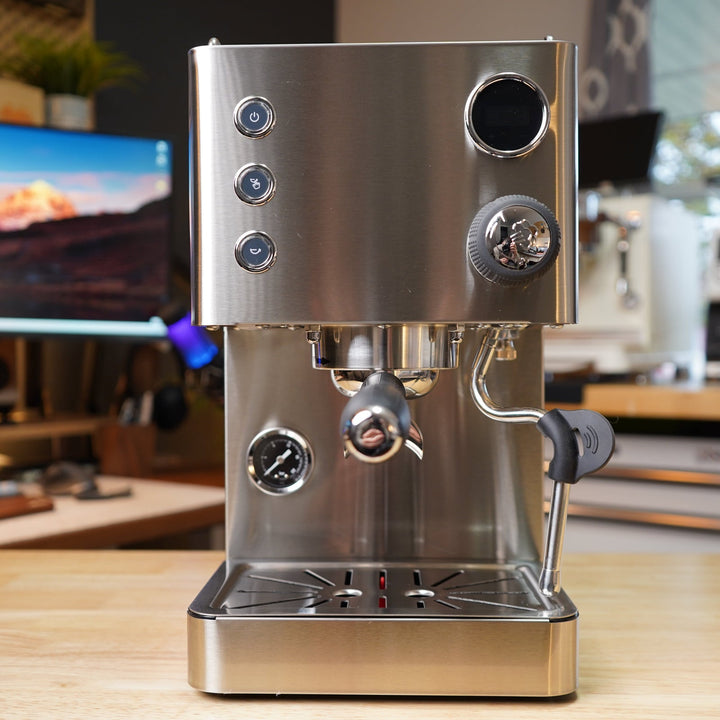
Enter the Turin™ Legato™ V2 Espresso Machine. Combining the reliability of dual PID control with a dual boiler and thermoblock system, this machine bridges the gap between entry-level home machines and professional-grade commercial units. Whether you’re upgrading from an espresso machine bought at Walmart or comparing features with a Breville Barista Express or a De’Longhi Dedica, the Turin Legato V2 delivers consistent shots and rapid steam.
Understanding Boiler Types and Temperature Control
One of the biggest differences between consumer-focused machines—like those found at Target—and commercial espresso machines is the boiler configuration and temperature consistency. Budget machines often use a single boiler or a heat exchanger, which forces you to choose between brewing or steaming. This leads to long waits between shots.
The Turin Legato V2 uses a dedicated brew boiler and a separate thermoblock for steam. Thanks to its dual PID control, you can set distinct temperatures for both the brew boiler and steam block. The result is café-quality steam for silky milk froth right after brewing your shot, without the typical 5-10 minute waiting period.
Why PID Matters for Home Baristas
PID controllers are prized in espresso machine commercial setups because they hold temperature within a fraction of a degree. Many home machines, including some Breville models, rely on simple thermostats that can fluctuate by several degrees.
With the Turin Legato V2’s dual PID system, you get accurate temperature regulation between 85°C and 102°C for your brew boiler and instant steam readiness. This precision translates to consistent extraction and richer crema, cup after cup.
🛍️ Product
Turin™ Legato™ V2 Espresso Machine
Black and White are on Preorder only. We estimate preorder shipment will arrive about mid March. Preorders are charged at time of order. Preorder for ...
by Espresso Outlet LLC
Advanced Pre-Infusion and Adjustable Pressure
Another feature often reserved for high-end or commercial espresso machines is pre-infusion. This gently wets coffee grounds before full extraction. Some machines you’ll see at big-box stores lack this function or offer only a fixed pre-infusion cycle.
The Turin Legato V2 allows you to customize pre-infusion time and delay, unlocking flavor nuances that static machines miss. Combined with its adjustable OPV control screw, you can dial in optimal brewing pressure for different coffee beans—something most De’Longhi entry-level units can’t match.
Comparing Popular Home Brands
When shopping for a home espresso machine, many first-time buyers consider the Breville Barista Express. It features a built-in grinder, convenient settings, and a good reputation. De’Longhi offers compact machines like the Dedica series, which are space-saving but often sacrifice boiler capacity and steam performance.
While those brands excel in user-friendliness, the Turin Legato V2 provides extra customization for true coffee enthusiasts. You can achieve lower brewing temperatures for light roasts or higher temperatures for darker blends, adjust pre-infusion and pressure, and enjoy near-instant steam. These capabilities bring your setup closer to a light espresso machine commercial environment without the hefty investment.
Ease of Use and Maintenance
Despite its professional-grade features, the Turin Legato V2 remains approachable. Its rapid heat-up (around five minutes) and shot timer on the PID make dialing in espresso shots straightforward. The removable 1.7L water reservoir and drip tray simplify cleaning, and the stainless steel build ensures durability.
For many home baristas, shopping at Target or Walmart means compromises in longevity and performance. Investing in a versatile machine like the Turin Legato V2 means fewer upgrades down the line.
Is the Turin Legato V2 Right for You?
If you’ve outgrown basic entry-level machines or want more control than you’d get from a typical retailer-bought unit, the Turin Legato V2 is a smart choice. It blends the reliability and temperature fidelity of espresso machine commercial setups with the compact footprint suited for home kitchens.
Whether you’re upgrading from a popular Breville or De’Longhi, or you’ve tried budget models at Walmart or Target, the Turin Legato V2 stands out for its precise PID controls, dual boiler system, and fully adjustable pre-infusion. It’s designed to meet the needs of both novice and experienced baristas.
Next Steps: Elevate Your Home Espresso Game
Ready to move beyond consumer-grade machines and taste the difference that professional-grade engineering brings? The Turin Legato V2 Espresso Machine is available for preorder in stainless steel, black, and white, with shipments expected mid-March. Preorders receive a discount compared to in-stock pricing and secure your machine ahead of the rush.
Experience faster steam, precise temperature control, and advanced pre-infusion—all in a home-friendly footprint. Elevate your daily ritual and discover why so many espresso enthusiasts choose the Turin Legato V2 over standard Breville, De’Longhi, Target, or Walmart offerings.