Ethiopia Birbirsa Coffee: Bright, Fruity Light Roast Guide
If you’re chasing a coffee that captures the spirit of its origin, Ethiopia Birbirsa delivers a clean, vibrant cup with a lively acidity. This single-origin coffee from Inheritance Coffee is roasted light to emphasize its natural sweetness and fruity notes. With tasting thoughts like granola, mango, and orange, Birbirsa is designed to sing when brewed with care, making it a reliable choice for both everyday mornings and thoughtful tasting sessions.
For many coffee enthusiasts, the journey from bean to cup starts with a clear understanding of what makes a coffee unique. With Birbirsa, you’ll notice a bright, clean profile that’s easy to enjoy with milk or enjoy as a bright black cup.
What makes Birbirsa stand out
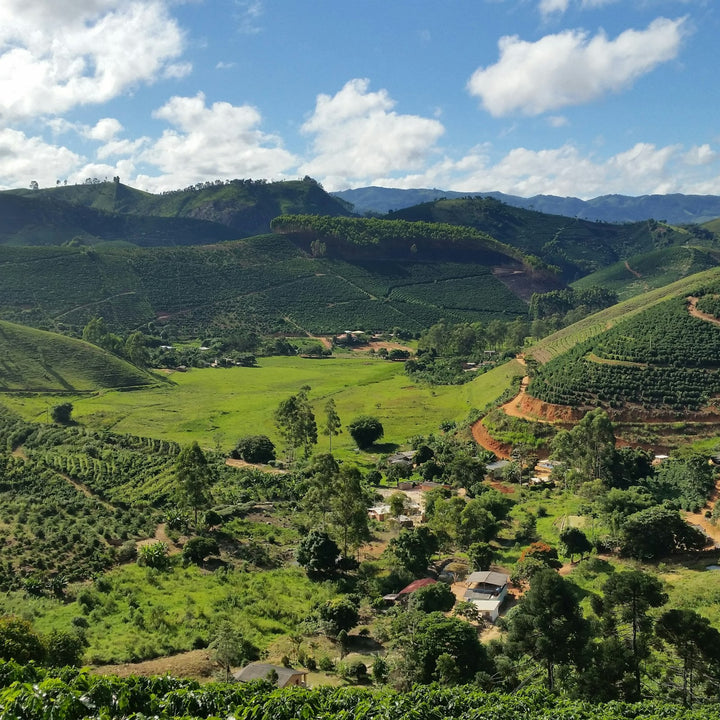
Ethiopia Birbirsa comes from high-altitude terrain, grown at about 2100 meters above sea level. The combination of altitude, careful cultivation, and a natural processing method contributes to the coffee’s distinctive acidity and fruit-forward character. The light roast profile helps preserve delicate aromatics and the nuanced notes you’ll taste in the cup.
When you appreciate a coffee like Birbirsa, you’re also appreciating the land and the care that goes into each batch. The granola-like depth provides a toasty foundation, while mango and orange brighten the finish. These flavors are a hallmark of careful processing and a bright, clean cup that doesn’t overwhelm with bitterness or heaviness.
From bean to cup: the Birbirsa story
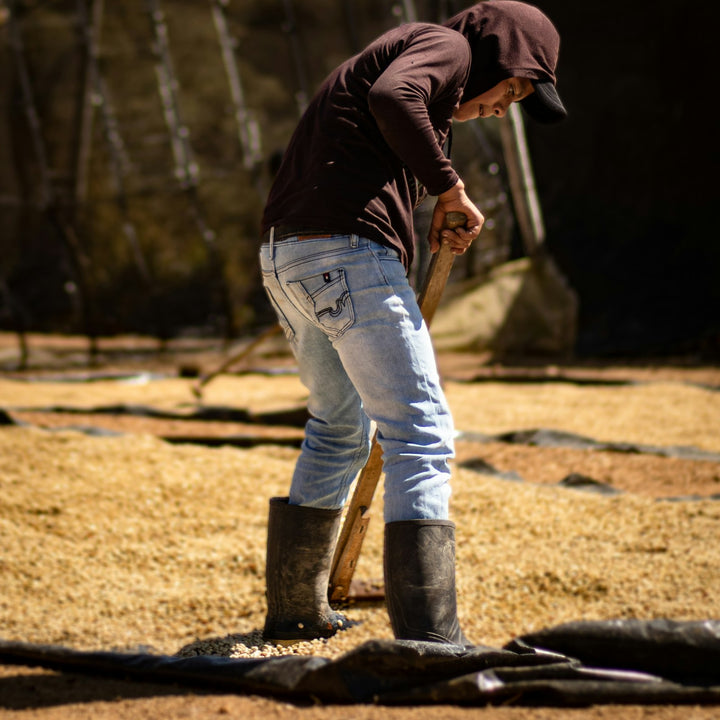
Coffee plants grow on a plant known as Coffea arabica, often referred to as Arabica. In Ethiopia, farmers cultivate a wide range of varieties that contribute to the country’s famous coffee heritage. Birbirsa itself showcases the elegance of Arabica beans when they are handled with thoughtful processing and precise roasting. The natural process used for Birbirsa enhances fruit-forward notes, letting the sweetness of the beans shine through in a way that many drinkers associate with Ethiopian coffees.
Choosing a coffee bean like Birbirsa means embracing a story that begins on the tree and ends in your cup. The tree’s beans mature in a climate that supports complex flavors, and the natural drying method concentrates fruity sugars while preserving a gentle acidity. The result is a cup that’s lively yet balanced—perfect for those who want an approachable but distinctive coffee experience.
Brewing Birbirsa for best results
Light-roasted coffees like Birbirsa respond beautifully to precise, clean brewing. A pour-over, such as a Chemex or V60, can illuminate the coffee’s acidity and fruity notes without masking them with excessive extraction. Use a medium-fine grind and a brew ratio around 1:15 to 1:16 (coffee to water). Water at about 195–205°F (90–96°C) helps extract the brightness without pulling harsh flavors.
If you prefer a café-style experience with more body, a gentle immersion method or a French press can still reveal Birbirsa’s character, but you may notice a slightly fuller mouthfeel and a touch more sweetness. In either method, fresh, clean water and a consistent pour ensure you draw out the mango and orange tones while keeping the granola-like depth intact.
Choosing coffee beans online and what to expect
Searching for coffee beans online opens a world of options. When you’re after a bright, Ethiopian single-origin like Birbirsa, it helps to start with trusted roasters and transparent tasting notes. Look for origin, altitude, processing method, roast level, and a clear tasting profile. Birbirsa’s light roast and natural processing are specifically described to help you gauge whether the coffee will deliver the acidity and fruity brightness you want in your brew.
If you’re comparing prices, specialty coffees often fall into a mid-to-premium range due to their quality control, ethical sourcing, and small-batch roasts. You’ll typically see prices that reflect container size, roast date, and origin details. This is where the Birbirsa listing from Inheritance Coffee stands out: it communicates the roast profile, processing method, altitude, and flavor notes so you can decide with confidence.
For shoppers who are curious about the broader world of beans, you’ll often encounter terms like “Arabica,” “single-origin,” and “natural processed.” These terms help describe what you’re buying and the kind of flavors to expect. If you’re just starting a coffee collection, Birbirsa serves as a strong example of how origin and processing shape flavor, making it a great entry point into nuanced tasting notes rather than a generic coffee experience.
Understanding coffee bean trees and types
The coffee bean tree belongs to the Coffea genus, with Coffea arabica being the primary species used for specialty coffees. Arabica trees prefer higher elevations, cooler temperatures, and careful cultivation, all of which contribute to Birbirsa’s refined profile. By choosing a coffee that highlights Arabica’s natural elegance, you’re choosing a cup that often carries more nuanced sweetness and aroma compared to other species. Birbirsa’s Kenyan and Ethiopian neighbors share similar stories of high-altitude growth and careful handling, which is part of what makes Ethiopian beans so celebrated among connoisseurs.
What about coffee bean types, today’s varieties, and pricing
Coffee beans come in countless varieties, but two broad categories matter for flavor and sourcing: Arabica and Robusta. Birbirsa is an Arabica bean, prized for its clarity of flavor and aromatic complexity. Within Arabica, producers offer lots of single-origin lots and blends that reflect regional terroir. When you compare types, consider whether you want a bright, fruity profile (often found in natural-processed Ethiopian coffees) or a smoother, more chocolatey cup (common in washed coffees from other regions).
Prices for coffee beans vary widely based on origin, roast, and packaging. Specialty Ethiopian beans like Birbirsa typically command a premium due to farm-level care, small-batch roasting, and traceability. If you’re pricing out a bag, expect to see ranges that reflect freshness, roast date, and the producer’s sourcing practices. The value comes not just from the price tag, but from the consistent flavor and sustainable sourcing behind a well-made batch.
Visuals and naming: PNGs and more
As you browse online, you’ll notice how coffee images are presented. Many retailers use high-quality PNG images of coffee beans because the transparent backgrounds help the product photos stand out on different page designs. If you’re curating a catalog or a tasting guide, PNGs make it easier to showcase Birbirsa’s bean visuals clearly on light backgrounds, which can help readers imagine the bean before they grind it.
Incorporating Birbirsa into your daily routine
Birbirsa is a versatile coffee that works well for morning rituals and weekend tastings alike. Its bright acidity pairs nicely with milk for a balanced latte, while its fruit-forward notes come through in a clean black cup. Whether you’re new to Ethiopian coffees or you’re refining your palate, Birbirsa offers a reliable, enjoyable flavor profile to add to your rotation.
Conclusion: A bright, approachable Ethiopian coffee
If you’re seeking a clean, naturally processed Ethiopian coffee with clear acidity and fruit notes, Birbirsa is a strong choice. Its light roast preserves delicate aromatics, and its tasting notes—granola, mango, and orange—offer a memorable palate experience without overwhelming the senses. When you shop for coffee beans online, look for a detailed origin story, clear roast level, and honest tasting notes like these to guide your choice. Birbirsa demonstrates how thoughtful sourcing, altitude, and processing combine to create a cup you’ll look forward to brewing each day.