Discover Ethiopia Yabitu Koba: Heirloom Coffee with Peachy Notes
Coffee has a long, global journey, yet some cups instantly transport you to a single place. Ethiopia is widely celebrated as the birthplace of coffee, where smallholder farmers have nurtured beans that carry history in every bean. Ethiopia Yabitu Koba is one such coffee—a natural-processed, heirloom varietal from a collective of Ethiopian smallholders. Expect flavors like cooked peach, apricot, and dates to dance across the palate, offering a sweet, fruit-forward profile that’s both comforting and distinctive.
Brewing history aside, the way you prepare Yabitu Koba can dramatically influence what you taste. The right technique reveals its fruit-forward character while preserving the coffee’s balanced sweetness. Below, we’ll explore why Ethiopian coffee stands out, what makes Yabitu Koba unique, and practical tips to bring out its best notes while staying true to the story behind the cup.
What makes Ethiopian coffees special?
Facts about coffee often begin with a quick origin story. Coffee beans come from the cherry fruit of Coffea plants, with two main species dominating global markets: Coffea arabica and Coffea canephora (robusta). Many of the most beloved single-origin coffees hail from Arabica varieties, prized for their nuanced flavors and aromatic profiles. Ethiopia, in particular, is famous for heirloom varieties—local cultivars that produce a wide range of flavor notes depending on elevation, soil, and processing method. These nuances are part of what gives Yabitu Koba its character.
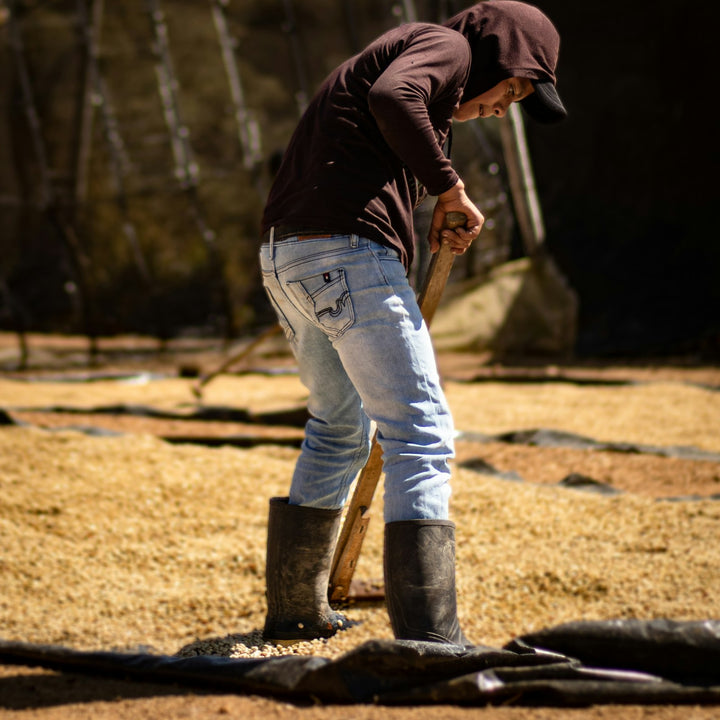
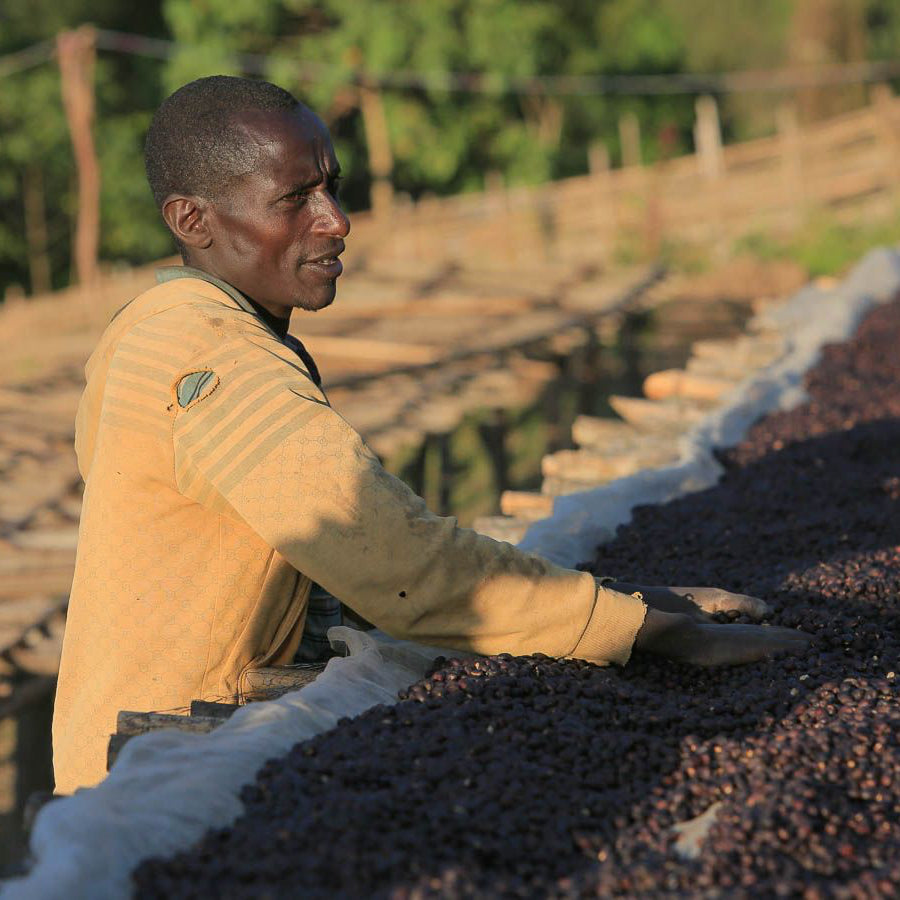
Another key distinction is processing. Ethiopian coffees are often processed in ways that emphasize natural, sun-dried sweetness. In natural or dry processing, the coffee cherry dries with the bean inside, allowing sugars to concentrate and fruit flavors to intensify. That approach helps explain why Yabitu Koba carries notes described as cooked peach and apricot, with a gentle, almost date-like sweetness. This method also preserves a lively acidity that makes the cup feel bright rather than heavy.
Yabitu Koba: a collective story from Ethiopian smallholders
The Ethiopia Yabitu Koba is a product of a collective lot from Various Smallholders Farmers, brought together by Inheritance Coffee. This setup is more than a label; it’s a community effort where farmers pool resources, share best practices, and maintain high standards from harvest to bag. The heirloom varietal designation signals traditional Ethiopian genetics—often adapted to local growing conditions—that contribute to a coffee with depth and regional flavor identity. Processing is described as natural, which, combined with Ethiopian altitude and climate, yields a cup that can show both warmth and brightness in harmony with its fruity notes.
Brewing to highlight cooked peach, apricot, and dates
Maximizing the Yabitu Koba flavor profile starts with a clean and precise brew. A gentle grind size, paired with balanced water temperature, helps preserve the delicate fruit tones without letting them overwhelm the cup. A pour-over method—such as a simple cone or a more ritualized dripper setup—works well for showcasing the coffee’s natural sweetness. Ground coffee weight, water ratio, and bloom time matter. A typical starting point is about 1 gram of coffee per 15-16 grams of water, then adjusting to taste. Aim for a water temperature in the mid-90s Celsius (around 195-205°F) to awaken aroma and fruit characters without scorching the beans.
Beyond pour-over, Yabitu Koba can also shine through a carefully prepared French press or a clean automatic drip model. The key is to avoid over-extraction, which can push the cup toward bitterness and mask the subtle peachy notes. If you prefer a broader tasting experience, a short, controlled agitation during the pour can help evenly saturate the grounds and separate the sweetness from the acidity. This approach invites you to notice the interplay between fruit flavors and the natural body that characterizes this coffee.
Storage, tasting, and gear for fresh flavor
To keep Yabitu Koba tasting vibrant, store beans in an airtight container away from light, heat, and moisture. Whole beans hold their aroma longer than pre-ground coffee, so consider grinding just before brewing. For those on the go, a quality insulated tumbler helps preserve aroma and temperature, letting you enjoy a fresh cup even when you’re away from home. When selecting a tumbler, look for a well-sealed lid, BPA-free construction, and a design that minimizes heat loss while not affecting the coffee’s aroma. Coffee is often described as a mood-enhancing ritual; keeping your brew hot and fresh supports that experience throughout your day.
History, quotes, and the aroma of the moment
Delving into the history of coffee reveals a journey across centuries and continents. From its legendary discovery in the Ethiopian highlands to its spread across the Arabian Peninsula and beyond, coffee’s story is a tapestry of culture, trade, and daily ritual. As one famous line suggests, coffee is a language in itself, a sentiment that captures how a single cup can convey culture, memory, and momentary joy. Coffee history is also a reminder that even smallholder farms, like those behind Yabitu Koba, contribute to a global narrative of flavor, resilience, and community.
Choosing the right cup for a memorable tasting
Pairing this coffee with the right vessel can elevate the tasting experience. A clear cup or glass can reveal the cup’s color and clarity, helping you sense the balance between acidity and sweetness. If you’re replacing a tumbler, consider a vessel that concentrates aroma as you sip, since aroma is a big part of how we perceive flavor. Whatever you choose, the goal is to enjoy the cup without distracting from the fruit-forward profile that Ethiopian coffees like Yabitu Koba deliver.
Concluding thoughts: savoring a classic from a modern collective
Ethiopia Yabitu Koba embodies a traditional approach to coffee—heirloom genetics, natural processing, and the collaborative effort of smallholders—while inviting modern drinkers to taste the nuance of sun-dried fruit and sun-warmed sweetness. The cup rewards a patient palate and a careful hand with grind, temperature, and time. If you’re building a shelf of distinctive single-origin coffees, Yabitu Koba deserves a place for its ability to evoke a sense of place with each sip.