Burundi Coffee Kigina Colline: Flavor & Brewing Tips
If you love coffee that carries bright fruit notes with a deep, chocolatey finish, this Burundi coffee delivers. The Burundi Colline Kigina from Inheritance Coffee showcases a distinctive blend of blackberry, fig, and dark chocolate flavors that linger pleasantly on the palate. Whether you’re a daily dripper or a weekend espresso enthusiast, understanding this origin helps you taste more in every cup. This Burundi coffee is a great example of how terroir — altitude, soil, and processing — can shape a memorable cup.
What Makes Burundi Colline Kigina Unique
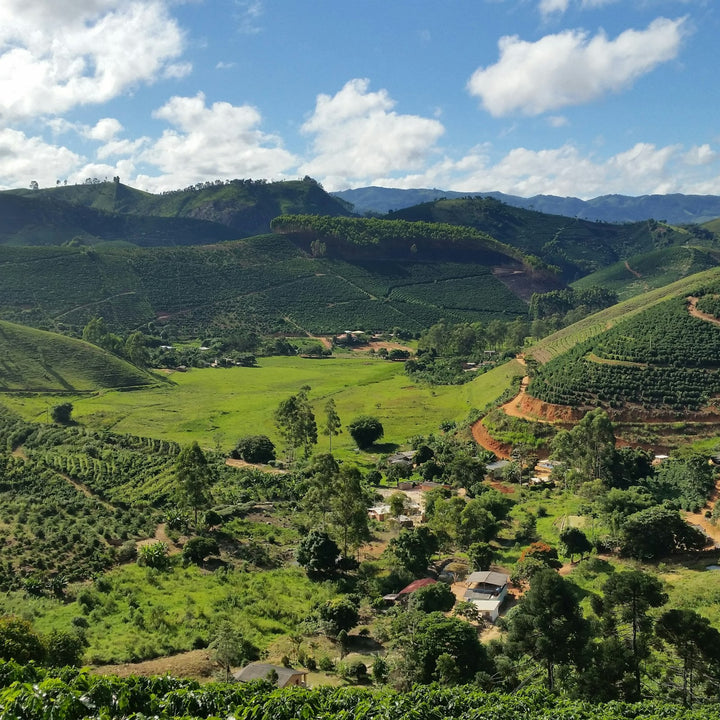
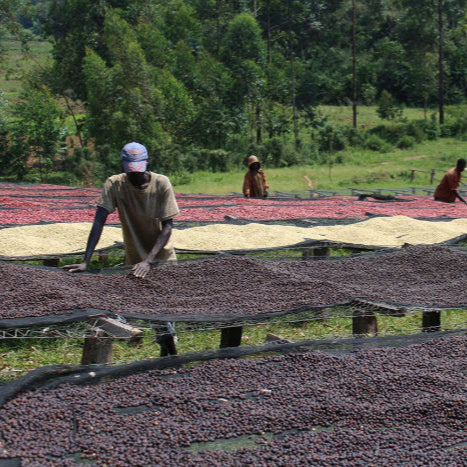
Burundi Colline Kigina hails from a highland region where cool nights and rich soils nurture delicate flavors. Coffees from this area are often washed, allowing the fruit sweetness to shine while maintaining a clean cup structure. Kigina Colline’s profile centers on ripe blackberry with a contrasting note of fig, rounded out by a dark chocolate finish that lingers after swallowing. This combination makes it approachable for everyday drinking yet complex enough for tastings and cuppings with friends. The beans from Inheritance Coffee are typically harvested at elevations that encourage bright acidity paired with sweet fruit notes, a hallmark of many Burundi origins.
What is Burundi Colline Kigina? It is a single-origin coffee from Kigina Hill in Burundi, produced under the careful process of careful wet processing to highlight clean sweetness and lively acidity. The result is a cup that carries fruit-forward aromatics and a chocolatey aftertaste, making it versatile for pour-overs, French press, or espresso-based drinks.
What flavors does this coffee offer? Expect bright blackberry aromas, a grape-like fig sweetness mid-palate, and a lingering dark chocolate finish. These notes are balanced by a medium body and a crisp acidity that make it both comforting and intriguing to explore in a tasting session.
For best results, grind the beans just before brewing and pay attention to water temperature and brew time. The right variables will bring forward Kigina Colline’s fruit character without letting the cup feel flat or sour.
How to Brew Burundi Colline Kigina for Maximum Flavor
Brewing this Burundi coffee is about balancing sweetness, acidity, and body to reveal its signature blackberry-fig-chocolate profile. Whether you prefer a clean pour-over or a richer immersion method, the right technique will help you taste its distinct origin notes. Start with the simplest equipment and adjust as you learn your palate.
Best brewing methods for Kigina Colline include pour-over (Hario V60 or Chemex), and a classic French press for a fuller body. An AeroPress can also showcase the fruit brightness with a clean finish if you use a medium grind and a gentle immersion. Each method has its own charm and can emphasize different aspects of the coffee’s profile.
- Grind size: medium-fine for pour-over; medium for French press; adjust to taste for AeroPress.
- Water temperature: aim for 195–205°F (90–96°C) to balance acidity and sweetness.
- Ratio: start around 1:15 to 1:17 (coffee:water) and adjust based on strength preference.
A typical pour-over workflow might begin with a brief bloom of 30–45 seconds to release CO2, followed by a steady pour in concentric circles. This approach helps lift the bright fruit notes and keeps the chocolate finish clean and pleasant.
If you want to maximize Kigina Colline’s flavor without complicating the process, keep the ratio steady, control the pour rate, and enjoy fresh grounds. The result should be a cup that walks a line between fruit-forward sweetness and a refined chocolate edge.
Storage, Freshness, and Pairings
To preserve Kigina Colline’s brightness and sweetness, store beans in an opaque, airtight container away from light, heat, and moisture. Coffee begins to lose aroma once roasted, so aim to grind just before brewing. A cool, dry pantry is ideal for short-term storage, while freezing is sometimes used for long-term preservation (in portioned bags) if you don’t roast frequently.
The flavor notes of blackberry, fig, and dark chocolate pair beautifully with certain foods. Dark chocolate or berry desserts echo the cup’s fruit profile, while salty nuts or a creamy cheese can create a pleasing contrast that enhances the chocolate finish. If you’re hosting a tasting, offer Kigina Colline alongside a small cheese plate or a dark chocolate nib to highlight the cup’s complexity.
Buying Burundi Coffee: What to Look For
When selecting Burundi coffee, look for clear origin information and processing details. A fully washed profile is common for Burundi and tends to yield a crisp, clean cup with bright acidity—perfect for showcasing the fruit notes Kigina Colline offers. As with many single-origin coffees, freshness matters, so check roast dates and buy from trusted roasters like Inheritance Coffee to ensure consistency.
Roast level decisions influence how Kigina Colline’s flavors come through. A light to light-medium roast tends to emphasize acidity and fruit aromas, while a medium roast can pull out a richer chocolate base without muting the fruit notes. For espresso, a careful dial with a slightly longer extraction can yield a balanced cup with chocolate and berry hints.
For home brewers, grind just before brewing, use a consistent grind size, and adjust water temperature and ratios to your taste. Burundi coffees from reputable vendors will typically offer notes and recommended brewing parameters—use these as a starting point and tailor to your own palate.
Conclusion
Burundi Colline Kigina is a compelling choice for coffee lovers who crave bright fruit, delicate sweetness, and a chocolatey finish. By understanding its origin, selecting the right roast, and applying thoughtful brewing techniques, you can savor the full spectrum of its blackberry and fig flavors with a satisfying cocoa tail. If Kigina Colline resonates with your palate, consider adding it to your rotation from Inheritance Coffee and explore how small changes in grind, temperature, and ratio reveal new nuances in every cup.
Ready to try? Explore Burundi Colline Kigina from Inheritance Coffee and discover how this distinctive origin can elevate your daily brew.