IHCAFE 90 Coffee Variety Overview
Historical Background
IHCAFE 90 is a hybrid coffee cultivar developed by the Instituto Hondureño del Café (IHCAFE)—the Honduran Coffee Institute—as part of its long-term strategy to support smallholder producers through the cultivation of disease-resistant, high-yielding plants. The variety was officially released in the 1990s, during a time of increasing vulnerability to coffee leaf rust (Hemileia vastatrix) across Central America.
IHCAFE 90 is part of a broader category of Catimor-derived hybrids, developed from the crossbreeding of Timor Hybrid (which contains genetics from both arabica and robusta species) and Caturra (a natural dwarf mutation of Bourbon). This genetic lineage provides a blend of high productivity, rust resistance, and compact growth—key priorities for the Honduran coffee sector during the 1990s and early 2000s.
The cultivar was widely distributed across Honduras as part of national agricultural extension programs aimed at boosting the country’s coffee output while offering smallholders a level of protection against disease outbreaks.
Genetic Origins and Agronomic Traits
IHCAFE 90 is a Catimor-type cultivar with the following lineage:
Timor Hybrid × Caturra
Selected for rust resistance, high yields, and compact size
Agronomic characteristics include:
Rust resistance (initially): Strong resistance to leaf rust, although this resistance has diminished in some areas over time
Compact growth: Ideal for high-density planting
Early to mid-season ripening
High productivity: Capable of yielding consistent harvests under proper management
Altitude suitability: Typically grown at 800–1,400 meters above sea level, though higher elevations can improve cup quality
Moderate fertilizer requirements: Performs well with good soil nutrition but can underperform if neglected
Like many Catimor-type varieties, IHCAFE 90 is sensitive to poor pruning practices and may suffer from reduced longevity if not well managed. In terms of structure, the plant has a dense foliage canopy, narrow internodes, and upright branches that make it easier to harvest and care for.
Flavor Profile and Cup Characteristics
One of the most debated aspects of IHCAFE 90 is its cup quality, which has historically lagged behind more traditional or exotic arabica varieties. As a Catimor, it was primarily bred for disease resistance and yield, rather than flavor complexity.
That said, when grown at higher elevations and processed with care, IHCAFE 90 can offer a pleasant and clean cup, particularly when used in blends or regional lots.
Typical flavor notes:
Mild citrus or green apple acidity
Nutty undertones (e.g., hazelnut, almond)
Medium to full body
Cocoa, caramel, or mild chocolate sweetness
Occasionally, herbal or woody aftertastes in poorly grown or processed lots
Because of these qualities, IHCAFE 90 is often used in volume-based specialty blends, commercial-grade washed coffees, or certified organic coffees, especially from Honduras.
Cultivation and Processing
IHCAFE 90 is widely cultivated across Honduras and parts of Nicaragua, particularly by smallholder farmers who benefit from the cultivar's disease resilience and high productivity.
Common farming practices include:
Dense planting (2,500–3,500 trees per hectare)
Manual selective harvesting, especially at higher altitudes
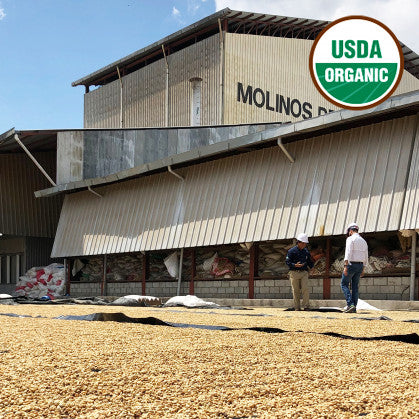
Traditional washed processing, often at cooperative or community wet mills
Use in organic and fair-trade supply chains due to its adaptability to organic farming practices
While IHCAFE 90 performs best in controlled environments, quality begins to suffer if drying is rushed or fermentation is poorly managed. In recent years, some progressive producers have experimented with honey and natural processing to extract more complexity from this cultivar, though it remains less common than with higher-quality varietals.
Market Role and Outlook
IHCAFE 90 has played a foundational role in Honduras’ rise to becoming the largest coffee exporter in Central America. It provided smallholders with a reliable, low-risk cultivar that could withstand the challenges of coffee leaf rust and fluctuating market demands.
However, several factors have led to a decline in its prominence:
Breakdown of rust resistance in some areas due to evolving fungal strains
Lower cup scores compared to newer hybrids or traditional cultivars
Shifting market preferences toward traceable, high-quality microlots and exotic varieties
Despite this, IHCAFE 90 remains economically important in Honduras, particularly in regional cooperative lots, certified coffees, and blended exports. It continues to be a stepping stone for many small producers who may eventually transition to newer hybrids like Parainema, Starmaya, or Centroamericano H1.
Outlook:
Continued use in high-volume, low-risk cultivation systems
Increasing replacement with newer F1 hybrids in progressive farms
Potential for improved cup quality with better farming and processing practices
Strong presence in value chains emphasizing sustainability, traceability, and certification