About 300 professional cuppers are due to taste hundreds of blind-coded Kenyan coffees in Nairobi from 14 to 16 November 2026, to build a map of how coffee from each of the country's growing regions tastes, according to The Standard on 9 November and Daily Coffee News on 4 November. The samples come from all 34 of Kenya's coffee-growing counties, both outlets reported on those dates.
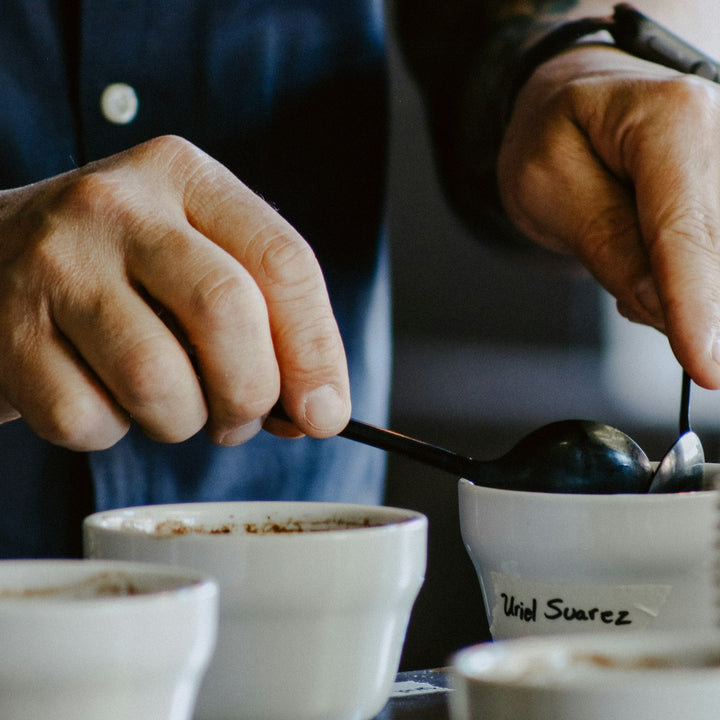
The project is called the Kenya Coffee Flavor Map, and its own website describes it as a national sensory program. Marty Pollack of Torch Coffee, the technical partner, told The Standard that every sample would be roasted to the same level and ground to the same coarseness, and that the event is not a competition. Cupping is the trade's standard tasting method, the same one behind a cupping score.
How many coffees are being cupped?
The two outlets give different numbers. Rachel Kibui of The Standard reported on 9 November that about 700 blind-coded samples would be tasted by more than 300 cuppers. Nick Brown of Daily Coffee News reported on 4 November that the organizers had gathered more than 500 samples and aimed to recruit 300 cuppers and that the cupping sessions were set for 15 and 16 November.
Who is running it?
The outlets also name different organizers. Daily Coffee News, writing from an announcement shared with it, listed the Coffee Board of Kenya, the Food and Agriculture Organization of the United Nations (FAO) in Kenya and the Kenya Coffee Platform. The Standard described a joint program of the FAO and the UN Industrial Development Organization (UNIDO) with the Kenyan government, funded by the Swedish Embassy in Nairobi through the SDG Multi-Partner Trust Fund Kenya. The project website lists UNIDO, the FAO and the Kenya Coffee Platform among its sponsors and credits the Coffee Board of Kenya with helping gather samples.
What is the map for?
Daily Coffee News reported that the results are meant to become a free, public Kenya Coffee Flavor Atlas, with regional flavor profiles, maps and a sensory database, scheduled for release in 2027. The Standard said the data would inform a later national flavor map or atlas and gave no date.
Tito Arunga, who manages sustainable agri-food programs at the FAO in Kenya, told The Standard that flavor is a marketing tool and that mapping it helps connect buyers with the areas that grow the coffees they prefer. Henry Kinyua, named by The Standard as national program manager for UNIDO's ACT coffee program, called cupping "both an art and a science". Wangechi Gitata-Kiriga, chief executive of Revolutionary Coffee, told the paper that coffee from Kenya's Central region tends to be fruity and crisp, and coffee from the Rift Valley bolder. Martin Shabaya, a four-time Kenyan barista champion, was quoted by Daily Coffee News calling the project "an opportunity for Kenya to tell its own coffee story through the voices, knowledge and experiences of its people."
How is Kenya's auction season going?
At the Nairobi Coffee Exchange's sixth sale of the 2026/27 season, 19,359 bags sold for Sh932 million, an average of Sh39,103.66 per 50-kilogram bag, according to a Kenya News Agency report carried by The Star on 13 November. The week before, 18,338 bags had sold for Sh870.5 million, the same report said. By our arithmetic the sixth-sale average works out to about Sh782 a kilogram, against about Sh758 at the season's first sale in early October, which we covered in our report on the first two auctions. Lisper Ndung'u, the exchange's chief executive, was quoted in the report as saying "The buyers have an appetite for quality coffee, and demand for the same has been on the rise."
- Cuppers: more than 300, according to The Standard on 9 November 2026; a target of 300, according to Daily Coffee News on 4 November 2026.
- Samples: about 700, according to The Standard on 9 November 2026; more than 500, according to Daily Coffee News on 4 November 2026.
- Atlas release: 2027, according to Daily Coffee News on 4 November 2026.
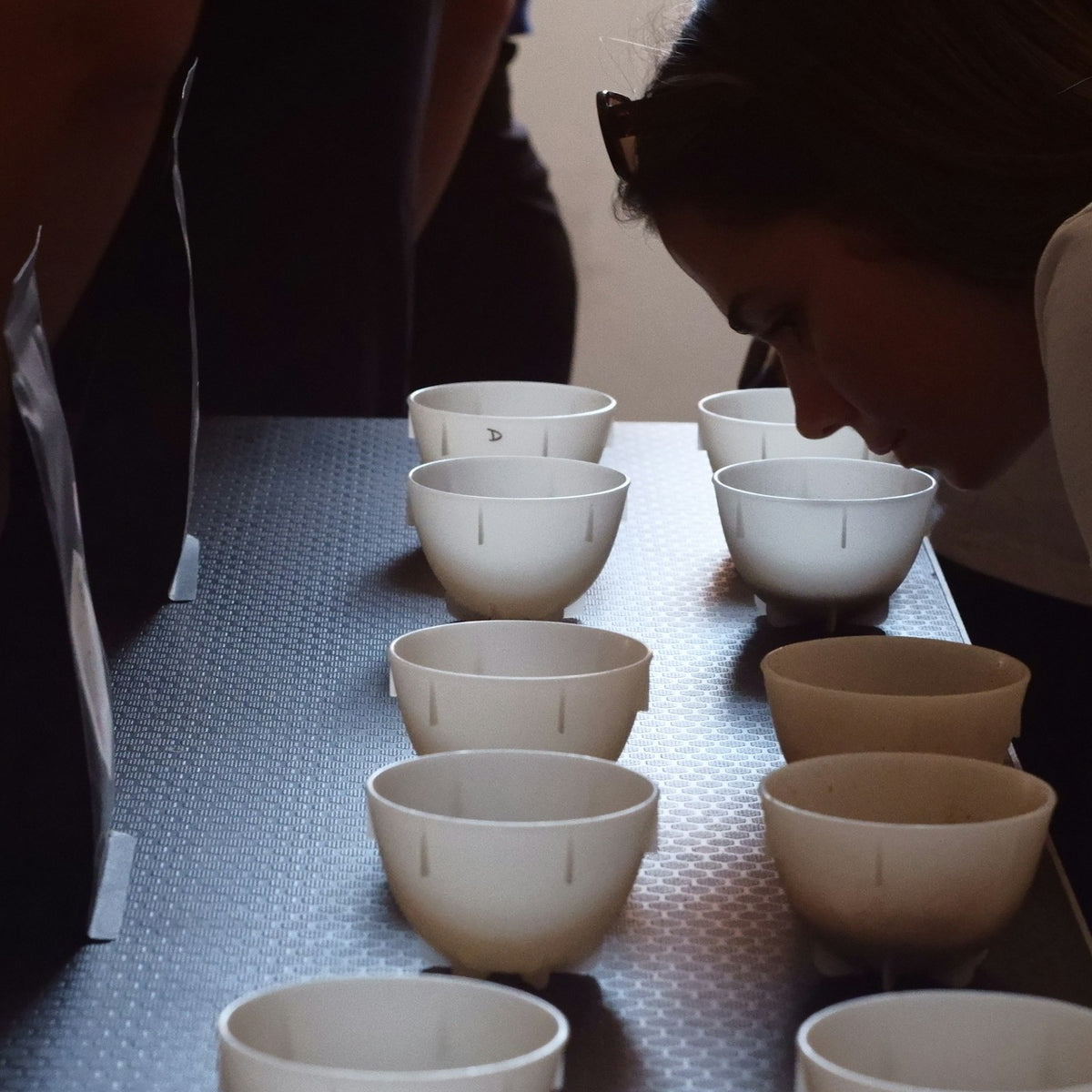
Photograph: Lena Bochanova, Unsplash. Cuppers at a coffee event in Brno, Czech Republic, photographed in 2025 and not connected to the Nairobi event.