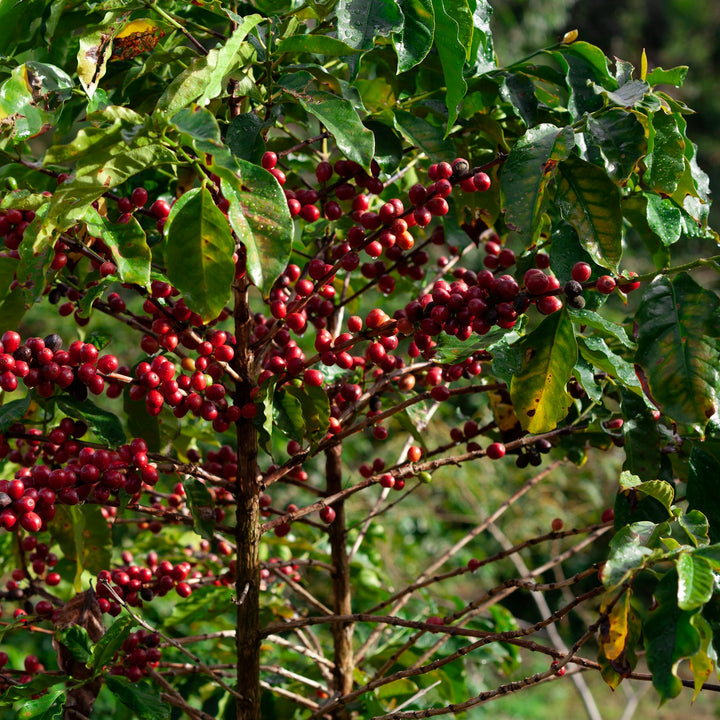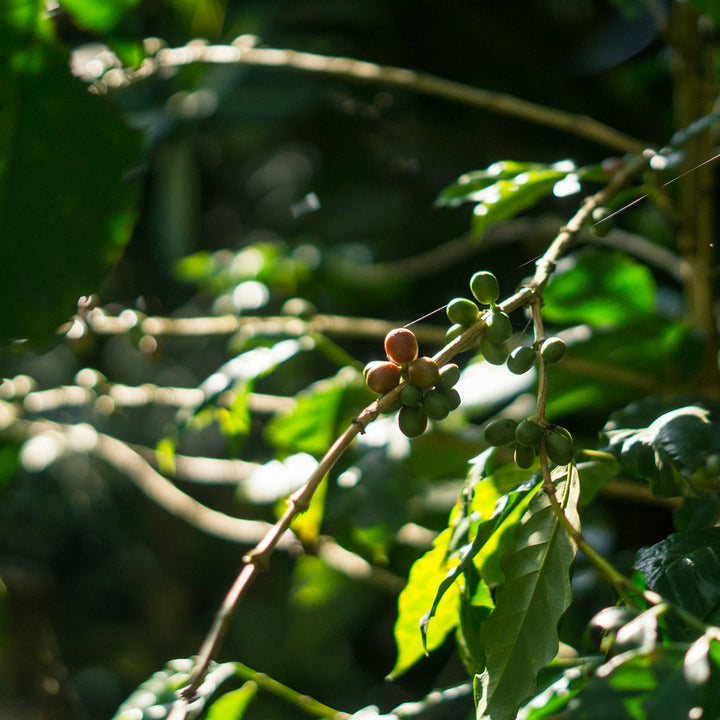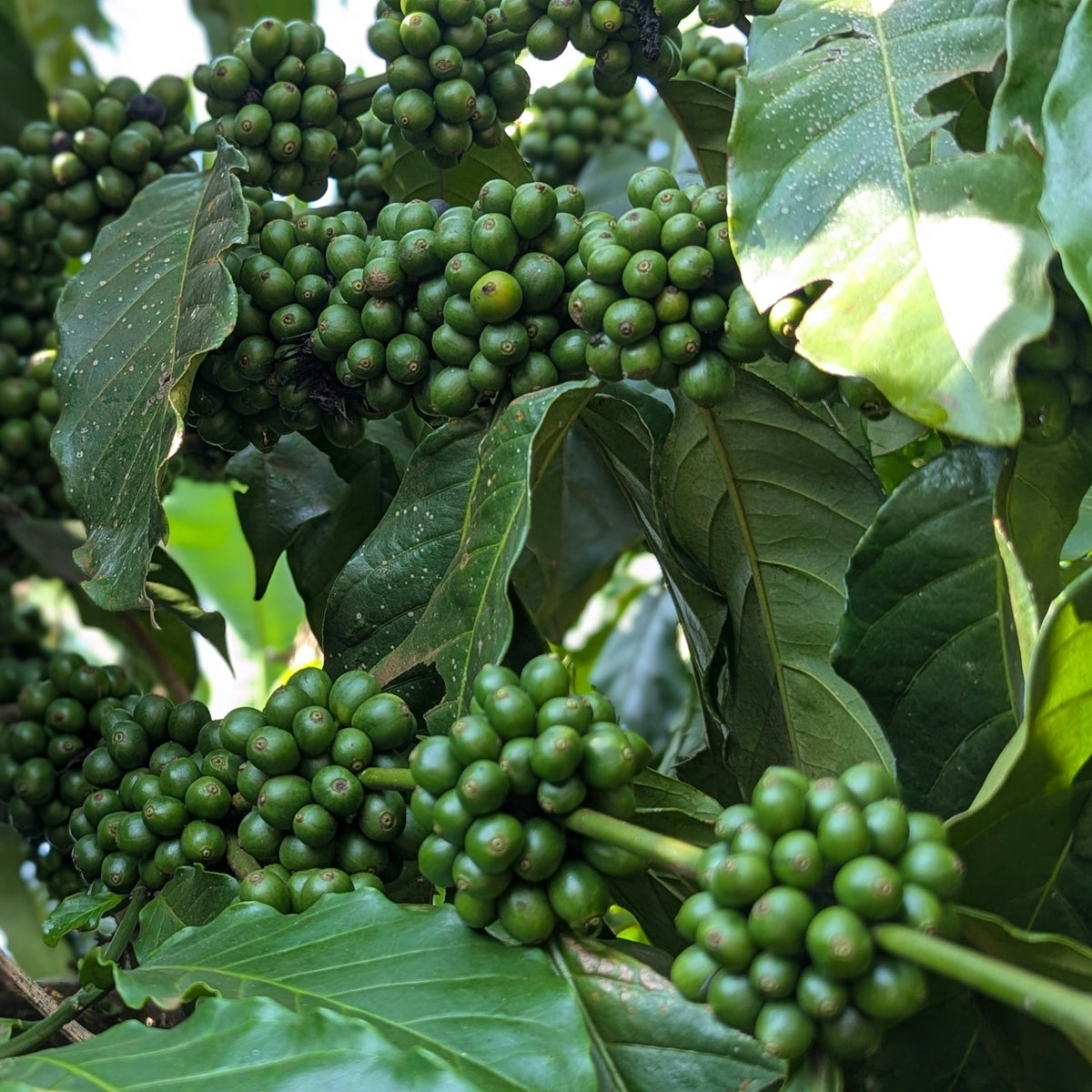
Five new coffee varieties, Geisha among them, are moving into Rwanda's formal commercial trial and release process, World Coffee Research (WCR) announced on 30 September 2026. The varieties were selected with the Rwanda Agriculture and Animal Resources Development Board (RAB) after years of field trials, and WCR said they produced "more than twice as much coffee as older varieties in trials."
The New Times in Kigali broke the plan first. Its agriculture reporter Michel Nkurunziza reported on 22 September 2026 that the government, through RAB, was moving to introduce five climate-resilient coffee varieties.
Where did the varieties come from?
They come out of the International Multilocation Variety Trial, a program WCR describes as the world's largest arabica variety performance trial. WCR said in its 30 September announcement that it has worked with RAB on variety testing since 2015, and that Rwanda has hosted three trial sites since 2018, giving eight years of data on yield, disease resistance and cup quality.
The five were chosen for productivity, resistance to coffee leaf rust and adaptability to a changing climate, according to WCR. Leaf rust is a fungal disease that strips coffee trees of their leaves. WCR named Geisha as one of the five but, in the text of the announcement, did not list the other four. A variety, in coffee, is a distinct type within a species.
Simon Martin Mvuyekure, a senior coffee breeding research fellow at RAB, said in WCR's announcement that the new varieties arrive at a critical time for Rwanda's coffee sector. The release follows the same procedure that approved RAB C15, a rust-resistant variety, in 2015, according to WCR. The announcement gives no date for when the new varieties will reach farmers.
Why does Rwanda want new varieties?
The trees are old. WCR's 30 September announcement said 39% of Rwanda's coffee trees are more than 30 years old, close to two in every five, and that the traditional varieties grown now face rising pressure from climate stress, leaf rust and coffee berry disease. About 350,000 smallholder households depend on coffee, WCR said on 30 September.
The figure on how many varieties are coming has not been consistent. At the 2026 Rwanda Cup of Excellence awards on 28 August, Minister of Agriculture and Animal Resources Telesphore Ndabamenye said six new varieties had been developed to sit alongside the arabica already grown in Rwanda, and that work was under way to multiply them into seedlings for replacing old, unproductive trees, Umunota reported that day. WCR's announcement a month later named five. Neither source explains the difference.
How much is Rwandan coffee worth now?
The varieties arrive after a record year for revenue. Rwanda exported 23,860 metric tons of coffee in 2025 and earned $148.6 million, against 17,142 tons and $89.8 million in 2024, according to the National Agricultural Export Development Board (NAEB). That is a 39% rise in volume and a 65% rise in revenue, the board reported, with the average export price up 19% to $6.2 a kilogram in 2025.
NAEB credited the growth to higher production from maturing trees it had distributed, fertilizer supply, good weather, higher world prices and wider market access. Claude Bizimana, NAEB's chief executive, said the 2025 results put Rwanda on track for its 2029 target of 32,000 tons of coffee exports and $192 million in revenue. That target is a government goal, not a forecast of what the new varieties will deliver.
The winning lot at Honduras' 22nd Cup of Excellence in 2026 was also a geisha, according to the figures in our report on Honduras' coffee export earnings.
Photograph: Serge Nguramo, Unsplash.