Learn
The latest trends in eco-friendly workout wear, tips for living a more
sustainable lifestyle, and stories of women.
Learn
Ratio Four Coffee Machine: The Ultimate Small-Batch Pour-Over
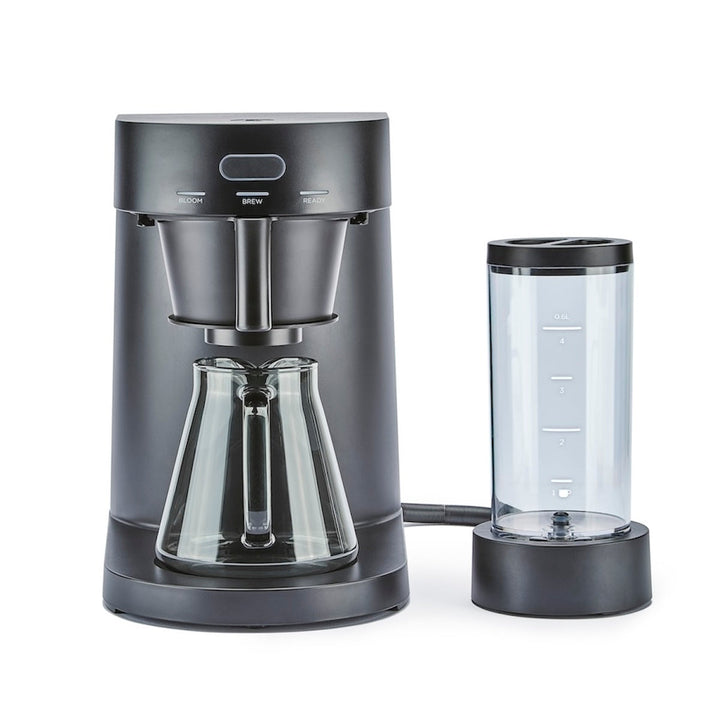
For home brewers who want the precision of a pour-over with the convenience of a compact machine, Ratio Four hits the sweet spot. This little brewer makes 5 to 20 ounces per batch—enough for one to two cups or a single large travel mug. It also shines in speed, delivering a bloom cycle in about 4 minutes or less. If you love a clean, flavorful cup without the guesswork, the Ratio Four deserves a closer look.
Think of Ratio Four as a modern, space-saving twist on a classic pour-over ritual. It combines the ritual of manual brewing with consistent results you can count on every time. The machine’s thoughtful design includes a removable water tank that can be placed on the left, right, or behind the unit, so you can fit it to your counter setup. At just 11.5 inches tall and 7.5 inches wide, it’s small enough to live on any kitchen counter without stealing space from your other tools.
🛍️ Product
Ratio Four Coffee Machine
Meet Ratio Four: the first affordable and beautiful “half batch” pour over coffee machine. The Four is our smallest brewer yet, an agile, sleek machin...
by Ratio
✓ Available
🛒
View Product
Why a Small-Batch Pour-Over Makes Sense
Many coffee lovers crave the control of a pour-over: you can shape flavor with grind size, water temperature, and brew time. Ratio Four brings that control into a compact, user-friendly form. Rather than brewing a full carafe, you get a precise, focused cup profile that highlights your chosen beans. The bloom cycle, which begins the extraction process, helps awaken aromatic compounds and sweetness right from the start. Because the batch size is small, you can experiment with different coffees without committing to a large pot.
For people who rotate through different beans, a small-batch brewer makes it easy to tailor each cup to the roast and origin. The Ratio Four’s efficiency also means you spend less time waiting for your coffee to finish and more time enjoying it. The result is a cleaner cup with less acidity or bitterness that can come from over-extraction in larger batches.
Understanding the Core Benefits
The Ratio Four is built around speed, precision, and a tidy footprint. A five-year warranty backs its durability, which speaks to Ratio’s confidence in the product’s long-term performance. Its stature and sleek silhouette make it a visually appealing addition to contemporary kitchens while remaining practical for everyday use. Whether you’re sipping a quick morning cup or sharing a small-batch brew with a friend, this machine makes the process approachable and satisfying.
Brewing with a bloom cycle in around four minutes means you can dial in your grind size and coffee-to-water ratio to get consistent results. The pour-over style also helps reduce the chance of over-extraction, a common pitfall when rushing a larger batch. If you’ve ever used a traditional coffee maker and found the results variable, Ratio Four offers a more controlled path to a great cup.
How Ratio Four Compares to Everyday Coffee Makers
One of the common questions coffee lovers ask is how a pour-over brewer stacks up against a typical coffee maker. If you’ve ever used a coffee maker with a built-in grinder or a standard drip machine, you’ve probably experienced inconsistent flavor from batch to batch. The Ratio Four focuses on a deliberate, scalable process. It’s not a press-style brewer, so it doesn’t rely on pressure to extract flavor. That difference matters for taste: you often get cleaner clarity and a lighter body that highlights the beans’ natural notes.
For enthusiasts who grew up using a coffee maker such as a French press, it’s worth noting how Ratio Four aligns with or diverges from that approach. A French press (often associated with brands like Bodum) uses immersion and pressure to push oils through a metal mesh. The Ratio Four instead emphasizes the finesse of pour-over control, which can lead to brighter flavors and more nuanced acidity. If you like the body of a press but want more precision, Ratio Four offers a compelling middle ground without sacrificing convenience.
Outdoor Brewing: Made for the Road
If your coffee adventures take you outdoors, the Ratio Four’s compact form is a boon. Its small footprint means you can easily pack it for a cabin trip, a campsite setup, or a compact travel kitchen. Outdoor coffee making often demands adaptability, and the Four’s left-right-back water-tank placement makes it easy to position on uneven surfaces or in tight spaces. When fresh air and a great cup are on the schedule, this brewer helps you stay fueled without compromising flavor.
Filtration and Flavor: What You Need to Know
Pour-over brewing typically involves a paper filter to ensure a clean cup, but the exact filtration method is flexible depending on your preferences. The Ratio Four’s design centers on the pour-over technique, so you’ll likely use your preferred filter type to achieve your ideal clarity and mouthfeel. Clean brewing ecosystems—whether you opt for a light filter or a standard dripper setup—work well with this machine, enabling you to unlock the coffee’s unique tasting notes.
Deutsch Engineering and Modern Craft
German engineering is renowned for precision and durability, and while Ratio Four isn’t German-made, its design ethos echoes that spirit: simple, reliable, and precise. The result is a compact machine that balances form and function, offering a premium experience in a small footprint. If you’ve preferred meticulously engineered tools in the past, Ratio Four aligns with that mindset by delivering consistent performance with thoughtful details like the flexible water tank placement.
Choosing the Right Small Brewer for Your Kitchen
When selecting a brewer for your home, consider how you brew, how much you drink, and how much countertop real estate you’re willing to allocate. The Ratio Four shines when you want a reliable, efficient, and visually appealing coffee setup that doesn’t dominate your space. Its 11.5-inch height and 7.5-inch width make it an unobtrusive addition to most kitchens, apartments, or office setups. The five-year warranty adds reassurance that this is a long-term investment in your daily ritual.
Another factor is flexibility in placement. The left-right-back water-tank option makes installation friction-free, whether your outlet is near the sink or across the counter. This adaptability is particularly helpful in smaller kitchens or shared spaces where layout options are limited. If you’re upgrading from a basic coffee maker or a single-serve device, Ratio Four offers a step up in consistency and flavor without sacrificing convenience.
Minding Your Coffee’s Freshness and Flavor
Beyond the machine itself, how you store and grind your beans affects the cup. Freshly roasted coffee retains aroma and sweetness best when kept in an airtight container away from light and heat. For best results, grind just before brewing and adjust grind size to your ratio and water temperature. Because Ratio Four emphasizes a bloom cycle and a quicker brew, you’ll notice how the grind size and water quality translate to flavor clarity and aroma right away. Keep your gear clean as well—residue can dull the beans’ natural flavors.
Maintenance and Care for Longevity
To keep Ratio Four performing at its best, rinse the chamber and any removable parts after each use and dry thoroughly. Periodic descaling helps remove mineral buildup that can affect flavor and speed. Follow the manufacturer’s guidelines for proper care, and you’ll protect the machine’s performance and its five-year warranty. A clean brewer means a brighter cup and a more enjoyable morning routine.
Putting It All Together: Is Ratio Four Right for You?
If you’re a home coffee enthusiast who loves a precise, repeatable pour-over experience in a compact package, Ratio Four is a strong fit. It’s ideal for individuals or couples who drink 1–2 cups per session and want the flavor clarity that pour-over delivers, without the fiddly setup of a manual pour-over. The bloom cycle, quick turnaround, and flexible footprint make it a practical upgrade from many standard coffee makers—and its durability and warranty add peace of mind for everyday use.
Whether you’re replacing a Bodum french press, outfitting a small apartment, or seeking a reliable outdoor brewing companion, Ratio Four offers a compelling balance of form and function. It’s a thoughtfully designed tool for modern coffee lovers who value both aesthetics and performance.
Kenya Nyeri Kamoini: Bright Kenyan Coffee with Peach Notes
Discover Kenya Nyeri Kamoini: Bright Kenyan Coffee from Smallholders
For coffee lovers who crave a lively cup with a clean, fruity profile, Kenya Nyeri Kamoini delivers a bright experience from start to finish. This single-origin blend comes from a collective of smallholder farmers in Nyeri, Kenya, where careful picking and traditional washed processing bring out the bean’s characteristic clarity. The blend features Arabica varietals SL-28, SL-34, and Ruiru 11, all grown by passionate growers who know their land well. The result is a cup that shines with balance, making it a versatile choice for everyday brewing.
Understanding where your coffee comes from helps you appreciate the story behind the flavor. Nyeri Kamoini is a testament to community coffee—smallholders pooling resources to produce lots that are both consistent and expressive. This particular lot is processed using the washed method, a common Kenyan approach that tends to highlight acidity and aromatic complexity while keeping body light and vibrant.
Origin and Craft: From Kenya’s Nyeri to Your Cup
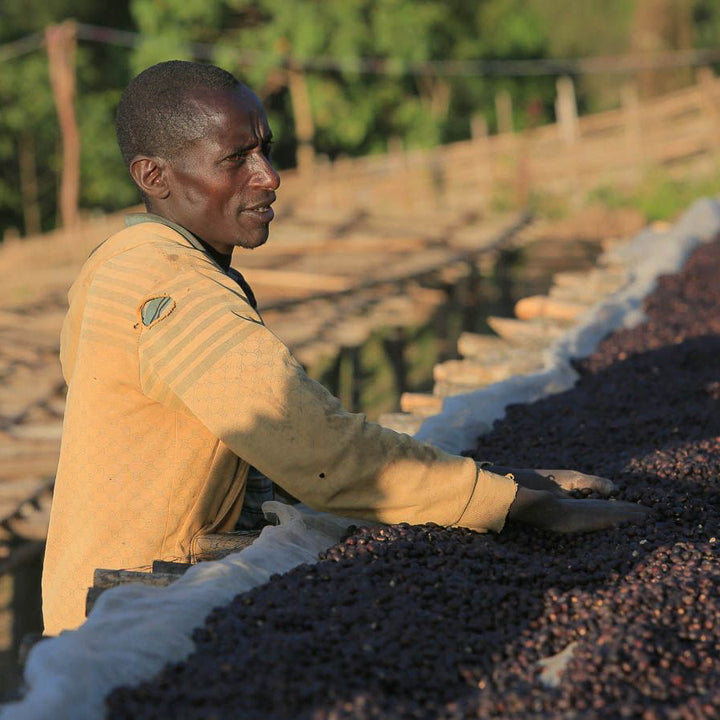
The Nyeri region sits in the highlands of central Kenya, where altitude and cooler nights help slow the ripening of coffee cherries. In this project, several smallholders contribute to a collective lot, ensuring quality control across the supply chain. The beans come from SL-28, SL-34, and Ruiru 11 plants—cultivars known for their cup profiles that range from bright citrus to rich stone fruit. Through the washed process, fruit mucilage is removed before drying, resulting in a cleaner cup that preserves nuanced flavor notes rather than masking them with excessive body.
When you’re shopping for coffee beans online, you’ll often encounter terms like washed, dry, or honey processing. With Nyeri Kamoini, washed processing helps accentuate the beans’ natural brightness and gives a crisp finish—an important factor if you’re looking for a pour-over or drip coffee that reveals aroma and acidity without heaviness. If you’re curious about the broader world of coffee bean types, think of Arabica versus Robusta, and then dive into the many cultivars within Arabica, including SL-28, SL-34, and Ruiru 11. Each carries distinct flavor tendencies while sharing the same family lineage.
🛍️ Product
Kenya Nyeri Kamoini
Producer: Various Smallholders Farm: Collective Lot Origin: Kenya Varietal: SL-28, SL-34, Ruiru 11 Process: Washed Flavor Notes: Cooked Peach, Apricot...
by Inheritance Coffee
✓ Available
🛒
View Product
Flavor Spotlight: Cooked Peach, Apricot, and Dates
In the cup, Nyeri Kamoini presents a bright, approachable sweetness with stone-fruit highlights. The cooked peach notes lean toward ripe sweetness without being overdone, while apricot adds a tangy-sweet snap that keeps the cup lively. Subtle dried-date notes round out the finish, lending a gentle depth that prevents the cup from feeling too crisp. This combination makes the coffee both comforting and complex, whether you’re enjoying a quiet morning or entertaining guests.
To taste these flavors most clearly, start with clean water and a measured grind. A pour-over setup will emphasize the fruit-forward profile and keep the acidity in check, while a larger batch for a drip machine can preserve balance and clarity across multiple cups. If you’re new to Kenyan coffees, Nyeri Kamoini can serve as a friendly introduction to the brightness and nuance that Kenyan beans often deliver.
Brewing Tips to Bring Out the Best
Brewing is where flavor becomes experience. For a pour-over, aim for a medium-fine grind and a water temperature around 195–205°F (90–96°C). Start with a 1:15 coffee-to-water ratio (for example, 20 grams of coffee to 300 ml of water) and give the bloom a short 30–45 second rest to release trapped gases. This helps capture the aroma while preserving delicate fruit notes. If you prefer a stronger cup, adjust to 1:14 or 1:13 gradually, tasting as you go.
For a drip brewer, you can still honor the fruit-forward profile by using fresh, filtered water and ensuring your machine is clean. A slower, even drip extracts the bright acidity without introducing bitterness. If you enjoy espresso, a properly dialed shot can illuminate the coffee’s natural sweetness, though you may notice a slightly different balance than with a pour-over or drip method. The goal is to let the pancake of flavors—peach, apricot, and dates—come through clearly.
Beyond the Cup: Understanding Coffee Beans, Types, and Price
If you’re exploring coffee beans online, Nyeri Kamoini represents how single-origin Kenyan beans can deliver a defined profile compared with blended options. Websites and roaster shops often categorize beans by origin, roast level, and processing method, helping you compare like with like. Kenya’s beans are famous for their bright acidity and clean finish, with flavor notes that can include stone fruits, citrus, and berry tones. This makes them a popular choice for a quick flavor check when you’re shopping online.
The phrase coffee bean tree describes the plant that produces coffee cherries. In reality, the coffee tree is a shrub that can thrive in high-altitude, well-drained soils like those found in Nyeri. The varieties SL-28, SL-34, and Ruiru 11 are cultivated on smaller farms that contribute to the pool of beans in a collective lot. These beans are typically Arabica, which is valued for nuanced flavors and aromatic complexity. If you’re comparing coffee beans types, note that Kenyan Arabica often leans toward vibrant acidity and fruit-forward sweetness, whereas some other origins may emphasize chocolatey or nutty notes.
Price for coffee beans varies widely based on origin, farm size, processing, and market demand. Kenyan single-origin lots, especially those from smallholders, can command premium due to quality and provenance. When you’re weighing options, consider not just the price per bag but the confidence you have in the sourcing and the roast level. For practical use, many coffee lovers find value in trying a few different lots to understand how provenance shapes flavor—and Nyeri Kamoini makes a compelling first or second choice for that exploration.
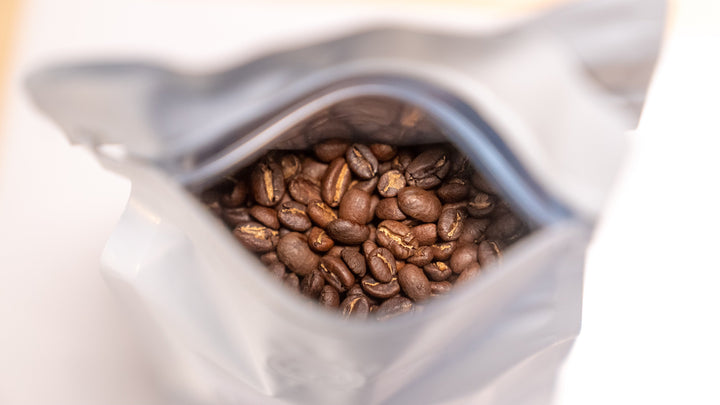
For designers and menu creators, image assets like PNGs are common, too. If you’re putting together a café menu or a blog post about Kenya Nyeri Kamoini, you might look for clear product imagery in PNG format to overlay on menus or digital posts without losing quality when scaled. The product page for this coffee includes a featured image to help you visualize the brew before you grind.
Storage, Freshness, and How to Use It
Whole-bean coffee should be stored in a cool, dark place in an airtight container. Ground coffee loses flavor faster, so grinding just before brewing helps you capture the coffee’s brightness and aroma. For best results, buy in reasonable quantities that you can use within a couple of weeks. This approach keeps your Nyeri Kamoini tasting vibrant, regardless of whether you brew it with a manual pour-over or a programmable coffee maker.
Conclusion: A Bright Kenyan Choice for Everyday Brews
Kenya Nyeri Kamoini captures the spirit of Kenyan coffee—bright, vivid, and delicately balanced with a fruit-forward sweetness. The blend of SL-28, SL-34, and Ruiru 11 from a collective of smallholders highlights how careful sourcing and washed processing can deliver a cup that’s both engaging and approachable. Whether you’re a seasoned taster or a curious newcomer, this coffee offers a reliable path to exploring Kenyan profiles with every brew.
The Complete Guide to Kenya Nyeri Ndaroini Coffee
Kenya Nyeri Ndaroini is a coffee produced by various smallholders in Nyeri County, Kenya. This lot comes from the Ndaroini area and is processed by a washed method that yields a clean, bright cup. Expect flavors described as spiced sugar, red berry, and a gentle note of ginger, with a crisp finish that lingers on the palate.
Grown at high elevations, this coffee benefits from Kenya's strict quality standards and careful processing. The beans come from a diverse group of farmers working together under Inheritance Coffee's sourcing network, ensuring traceability from farm to cup.
What Makes This Coffee Stand Out
One of the defining features is the bean's varietal blend. Kenya Nyeri Ndaroini features SL-28, SL-34, Ruiru-11, and Batian, a combination that highlights the best traits of Kenyan coffee: bright acidity, floral notes, and a structured body. The washed process helps clarity, allowing the red berry sweetness and ginger spice to shine without being overshadowed by ferment notes. This makes it a versatile choice for both filter brews and espresso attempts, depending on your roast level.
🛍️ Product
Kenya Nyeri Ndaroini
Producer: Various Smallholders Farm: Ndaroini Origin: Kenya Varietal: SL-28, SL-34, Ruiru-11, Batian Process: Washed Flavor Spiced Sugar, Red Berry, G...
by Inheritance Coffee
✓ Available
🛒
View Product
Brewing Kenya Nyeri Ndaroini for Optimal Flavor
To bring out the coffee's lively profile, start with a clean grinder and fresh water. A pour-over method is especially well-suited to this bean, letting the spiced sugar and berry notes emerge with every controlled pour. A common starting ratio is 1:16 (coffee to water) with a bloom of 30–45 seconds to release CO2, followed by steady pours until you reach your desired strength.
If you prefer immersion methods, a 4-minute French press or a carefully tuned AeroPress can also produce a bright cup with clear acidity. Keep the grind medium-coarse for immersion and medium for pour-over, adjusting grind size to reduce any perceived bitterness while preserving the beans' natural sweetness.
From Tree to Cup: Understanding Kenyan Coffee
For many readers, the idea of coffee beans online is simply a way to discover more flavors. Kenya Nyeri Ndaroini is a great example of a modern, traceable purchase you can order online from specialty roasters like Inheritance Coffee. The beans you grind and brew come from coffee bean trees—the Arabica shrubs that thrive in Kenya's high-altitude climates—where the fruit, or cherry, contains two seeds we call coffee beans.
When you explore coffee beans types, you’ll notice Kenyan coffees often rely on a few iconic cultivars. This lot lists SL-28 and SL-34, long regarded as some of the finest for aroma and brightness, along with Ruiru-11 and Batian, which bring resilience and consistent yield. Each variety contributes its own notes to the cup, making Kenyan profiles wonderfully bright with berry-like sweetness.
Prices for coffee beans online vary by origin, roast, and packaging. Premium Kenyan lots like Nyeri Ndaroini typically sit in the higher end of the spectrum, reflecting careful sourcing and smallholder collaboration. If you track pricing, you’ll find plenty of options online—from single-origin Kenyan coffees to blended offerings—allowing you to compare value, roast level, and flavor emphasis.
When you’re evaluating product images, you might search for “coffee beans png” to see transparent-background visuals you can use on your own site or menu. Clear images help convey the quality and color of the roast, reinforcing your customers’ confidence in the purchase. The Nyeri Ndaroini listing includes a product photo to give you a sense of the roast and color before you buy.
Storage and Freshness Tips
To keep the delicate flavors of this washed Kenyan coffee intact, store the beans in a cool, dark place in an airtight container. Oxygen is a enemy of freshness, so only grind what you need for each brew. For the most fragrant cup, grind just before brewing and use water that is clean and free of impurities. Whole beans are best used within 2–3 weeks of roast for optimal aroma and brightness.
Conclusion: Why Kenya Nyeri Ndaroini Belongs in Your Coffee Rotation
If you love a cup that is bright, clean, and flavorful with hints of spice and berry, this washed Kenyan offers a reliable profile that can shine across brew methods. Sourced from diverse smallholder farmers, it also supports sustainable farming practices and fair compensation across the supply chain. Whether you’re new to Kenyan coffee or expanding a curated collection, Nyeri Ndaroini is a standout choice.
Exploring the Differences Between Light and Medium Roasts: What Makes Them Stand Out?
The Art of Coffee Roasting
When it comes to coffee, the roasting process plays a crucial role in determining the final flavor profile of your brew. Light and medium roasts are two popular options that offer distinct characteristics. Let's delve into the differences between these roast levels and what sets them apart.
Light Roast: A Delicate Balance
Light roasts are roasted for a shorter amount of time, allowing the beans to retain more of their original flavor nuances. These roasts are known for their bright acidity, floral aromas, and pronounced fruitiness. The caffeine content in light roasts is slightly higher compared to darker roasts due to the shorter roasting time.
Medium Roast: A Balanced Blend
Medium roasts strike a balance between the flavors of the bean and the roasting process. They are roasted for a longer duration than light roasts but still preserve some of the bean's inherent characteristics. Medium roasts offer a well-rounded flavor profile with balanced acidity, body, and aroma.
Key Differences
Light roasts have a brighter acidity and more pronounced fruitiness compared to medium roasts.
Medium roasts offer a balance of flavors with moderate acidity and body.
Light roasts retain more caffeine due to the shorter roasting time.
Medium roasts provide a versatile option that appeals to a wide range of coffee enthusiasts.
🛍️ Product
Medium Roast Profile
Calibrated Water™ The Best Water for Brewing Medium Roast Coffee – Optimized for Perfect Flavor If you're searching for the best water for brewing cof...
by Third Wave Water
Choosing Your Perfect Brew
Whether you prefer the vibrant notes of a light roast or the balanced flavors of a medium roast, exploring the differences between these two roast levels can help you discover your ideal cup of coffee. Experiment with different roasts to find the one that best suits your taste preferences and enjoy the diverse world of coffee roasting.