Discover Kenya Nyeri Kamoini: Bright Kenyan Coffee from Smallholders
For coffee lovers who crave a lively cup with a clean, fruity profile, Kenya Nyeri Kamoini delivers a bright experience from start to finish. This single-origin blend comes from a collective of smallholder farmers in Nyeri, Kenya, where careful picking and traditional washed processing bring out the bean’s characteristic clarity. The blend features Arabica varietals SL-28, SL-34, and Ruiru 11, all grown by passionate growers who know their land well. The result is a cup that shines with balance, making it a versatile choice for everyday brewing.
Understanding where your coffee comes from helps you appreciate the story behind the flavor. Nyeri Kamoini is a testament to community coffee—smallholders pooling resources to produce lots that are both consistent and expressive. This particular lot is processed using the washed method, a common Kenyan approach that tends to highlight acidity and aromatic complexity while keeping body light and vibrant.
Origin and Craft: From Kenya’s Nyeri to Your Cup
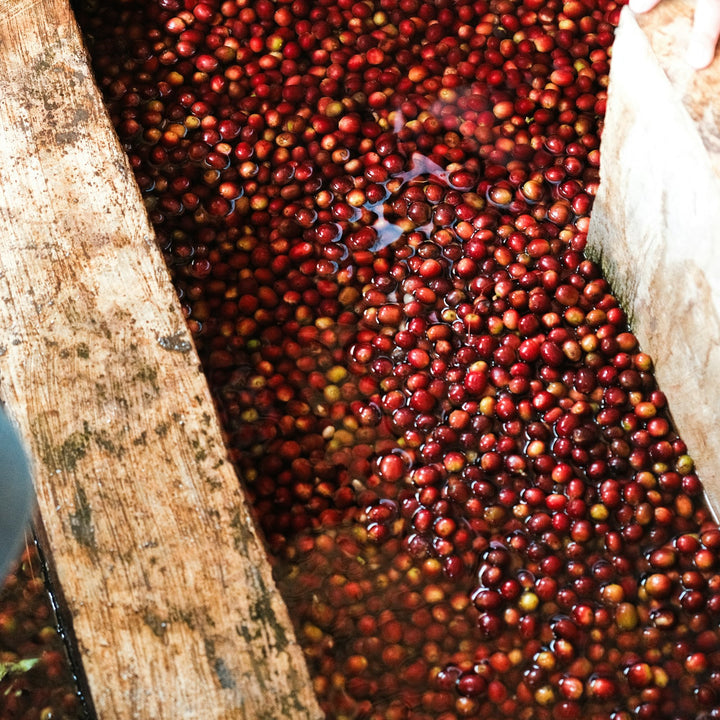
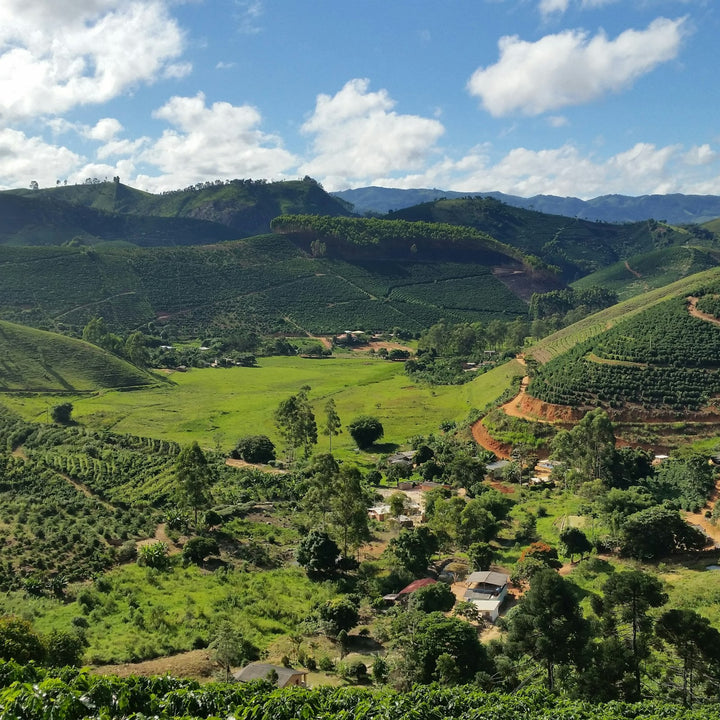
The Nyeri region sits in the highlands of central Kenya, where altitude and cooler nights help slow the ripening of coffee cherries. In this project, several smallholders contribute to a collective lot, ensuring quality control across the supply chain. The beans come from SL-28, SL-34, and Ruiru 11 plants—cultivars known for their cup profiles that range from bright citrus to rich stone fruit. Through the washed process, fruit mucilage is removed before drying, resulting in a cleaner cup that preserves nuanced flavor notes rather than masking them with excessive body.
When you’re shopping for coffee beans online, you’ll often encounter terms like washed, dry, or honey processing. With Nyeri Kamoini, washed processing helps accentuate the beans’ natural brightness and gives a crisp finish—an important factor if you’re looking for a pour-over or drip coffee that reveals aroma and acidity without heaviness. If you’re curious about the broader world of coffee bean types, think of Arabica versus Robusta, and then dive into the many cultivars within Arabica, including SL-28, SL-34, and Ruiru 11. Each carries distinct flavor tendencies while sharing the same family lineage.
Flavor Spotlight: Cooked Peach, Apricot, and Dates
In the cup, Nyeri Kamoini presents a bright, approachable sweetness with stone-fruit highlights. The cooked peach notes lean toward ripe sweetness without being overdone, while apricot adds a tangy-sweet snap that keeps the cup lively. Subtle dried-date notes round out the finish, lending a gentle depth that prevents the cup from feeling too crisp. This combination makes the coffee both comforting and complex, whether you’re enjoying a quiet morning or entertaining guests.
To taste these flavors most clearly, start with clean water and a measured grind. A pour-over setup will emphasize the fruit-forward profile and keep the acidity in check, while a larger batch for a drip machine can preserve balance and clarity across multiple cups. If you’re new to Kenyan coffees, Nyeri Kamoini can serve as a friendly introduction to the brightness and nuance that Kenyan beans often deliver.
Brewing Tips to Bring Out the Best
Brewing is where flavor becomes experience. For a pour-over, aim for a medium-fine grind and a water temperature around 195–205°F (90–96°C). Start with a 1:15 coffee-to-water ratio (for example, 20 grams of coffee to 300 ml of water) and give the bloom a short 30–45 second rest to release trapped gases. This helps capture the aroma while preserving delicate fruit notes. If you prefer a stronger cup, adjust to 1:14 or 1:13 gradually, tasting as you go.
For a drip brewer, you can still honor the fruit-forward profile by using fresh, filtered water and ensuring your machine is clean. A slower, even drip extracts the bright acidity without introducing bitterness. If you enjoy espresso, a properly dialed shot can illuminate the coffee’s natural sweetness, though you may notice a slightly different balance than with a pour-over or drip method. The goal is to let the pancake of flavors—peach, apricot, and dates—come through clearly.
Beyond the Cup: Understanding Coffee Beans, Types, and Price
If you’re exploring coffee beans online, Nyeri Kamoini represents how single-origin Kenyan beans can deliver a defined profile compared with blended options. Websites and roaster shops often categorize beans by origin, roast level, and processing method, helping you compare like with like. Kenya’s beans are famous for their bright acidity and clean finish, with flavor notes that can include stone fruits, citrus, and berry tones. This makes them a popular choice for a quick flavor check when you’re shopping online.
The phrase coffee bean tree describes the plant that produces coffee cherries. In reality, the coffee tree is a shrub that can thrive in high-altitude, well-drained soils like those found in Nyeri. The varieties SL-28, SL-34, and Ruiru 11 are cultivated on smaller farms that contribute to the pool of beans in a collective lot. These beans are typically Arabica, which is valued for nuanced flavors and aromatic complexity. If you’re comparing coffee beans types, note that Kenyan Arabica often leans toward vibrant acidity and fruit-forward sweetness, whereas some other origins may emphasize chocolatey or nutty notes.
Price for coffee beans varies widely based on origin, farm size, processing, and market demand. Kenyan single-origin lots, especially those from smallholders, can command premium due to quality and provenance. When you’re weighing options, consider not just the price per bag but the confidence you have in the sourcing and the roast level. For practical use, many coffee lovers find value in trying a few different lots to understand how provenance shapes flavor—and Nyeri Kamoini makes a compelling first or second choice for that exploration.
For designers and menu creators, image assets like PNGs are common, too. If you’re putting together a café menu or a blog post about Kenya Nyeri Kamoini, you might look for clear product imagery in PNG format to overlay on menus or digital posts without losing quality when scaled. The product page for this coffee includes a featured image to help you visualize the brew before you grind.
Storage, Freshness, and How to Use It
Whole-bean coffee should be stored in a cool, dark place in an airtight container. Ground coffee loses flavor faster, so grinding just before brewing helps you capture the coffee’s brightness and aroma. For best results, buy in reasonable quantities that you can use within a couple of weeks. This approach keeps your Nyeri Kamoini tasting vibrant, regardless of whether you brew it with a manual pour-over or a programmable coffee maker.
Conclusion: A Bright Kenyan Choice for Everyday Brews
Kenya Nyeri Kamoini captures the spirit of Kenyan coffee—bright, vivid, and delicately balanced with a fruit-forward sweetness. The blend of SL-28, SL-34, and Ruiru 11 from a collective of smallholders highlights how careful sourcing and washed processing can deliver a cup that’s both engaging and approachable. Whether you’re a seasoned taster or a curious newcomer, this coffee offers a reliable path to exploring Kenyan profiles with every brew.