Learn
The latest trends in eco-friendly workout wear, tips for living a more
sustainable lifestyle, and stories of women.
Learn
What Is Low Acid Coffee? What the Label Actually Measures
Low acid coffee is coffee that tastes low in acidity: soft, round, and chocolatey rather than bright and citric. It is not a coffee with a meaningfully lower pH. In the peer-reviewed measurement, brewed coffee sits in a band about a quarter of a pH point wide. Two different things are called acidity, and this article separates them.
Key takeaways
The low acid label describes perceived acidity, the tasting attribute, rather than a measurably lower pH.
Rao and Fuller measured brewed coffee from six origins, hot and cold, and found every sample between pH 4.85 and 5.13.
Natural processing, lower-grown origins, and a careful medium roast are what make a cup taste low in acid.
Titratable acidity climbs through the roast, peaks at first crack, and decays back to roughly its green value by second crack.
The three coffees on Inheritance's low-acid shelf cup between 88.4 and 90.5, so the label is not a reason to accept a worse coffee.
Acidity in coffee means two different things
Two separate properties get called acidity, and they are not the same measurement. Perceived acidity is a tasting attribute: the citric, malic, and phosphoric lift that makes a washed Kenyan taste like blackcurrant and lime, and that a naturally processed Brazil largely does not have. The SCA cupping form scores it as one of ten attributes, sitting alongside body and sweetness. Measured acidity is chemistry: pH, which counts free hydrogen ions, and titratable acidity, which counts how much acid is present in total.
The label on the bag tracks the first one. It describes a cup that reads round and cocoa-heavy instead of tart, which is a useful thing to be able to shop for. The confusion starts when that phrase gets read as a chemistry claim, because the chemistry moves far less than the taste does.
On a meter, nearly all coffee lands in the same narrow band
Rao and Fuller brewed coffees from six origins (Brazil, Colombia, two regions of Ethiopia, Mexico, and Myanmar), hot and cold, and measured every sample. Their 2018 paper in Scientific Reports puts the whole set between pH 4.85 and 5.13. That is a spread of roughly a quarter of a pH point across six countries and two brewing temperatures.
Almost no roaster is making a scientific or chemistry claim when they list acidity on their package, including us. We do not test our coffees for acidity level. Instead, roasters talking about acidity are referring to perceived acidity.
What actually moves the acid in your cup: origin, process, and roast
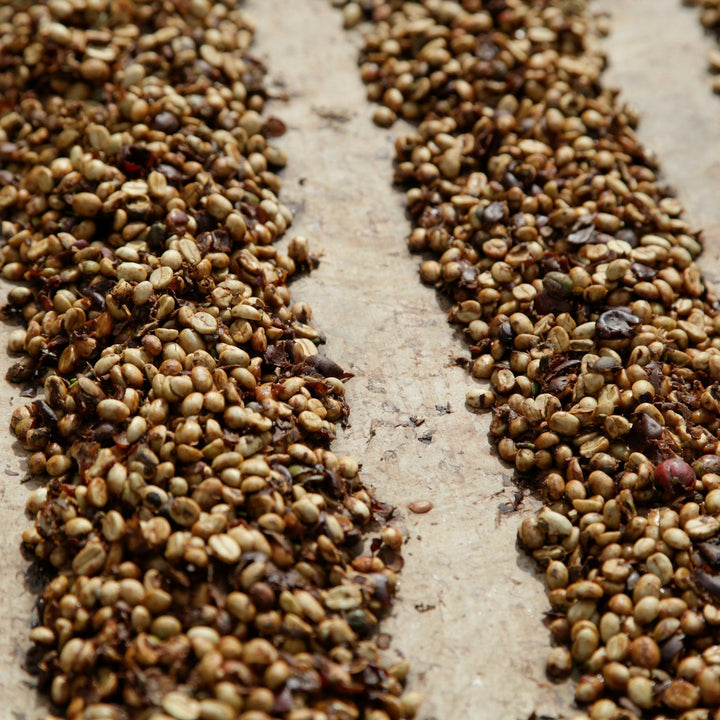
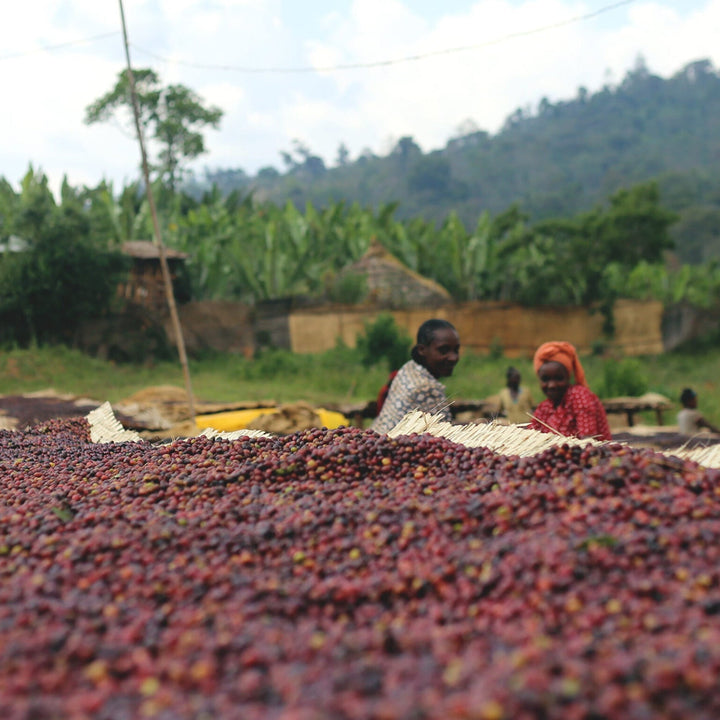
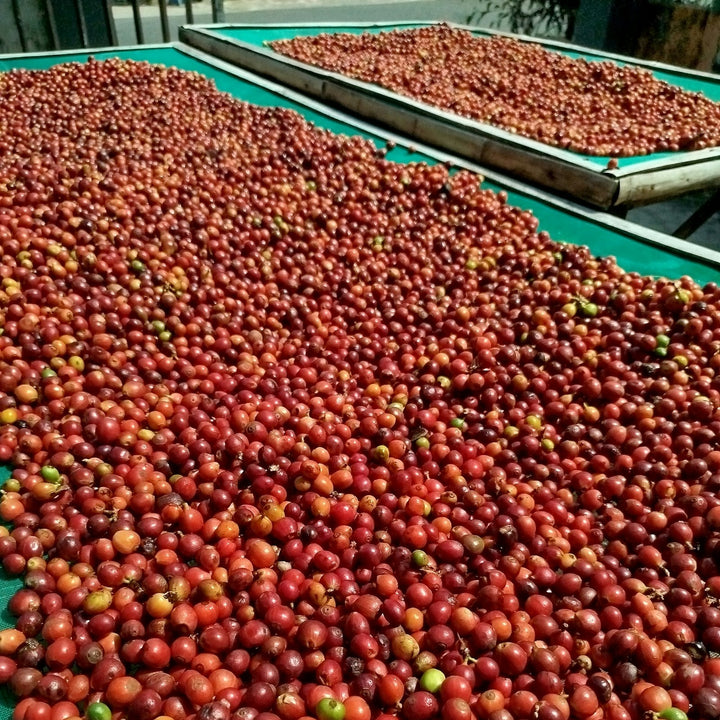
Three decisions do most of the work, and none of them is the wording on the bag. Processing comes first. A coffee dried inside its whole fruit, which is what the natural process means, builds heavier sugars and rounder acids than a washed coffee that was fermented and rinsed clean before drying. Elevation pushes the same way, since higher-grown coffee tends to develop more of that bright character.
Roast finishes the job, and here the dynamics have been measured directly. Anokye-Bempah and colleagues tracked titratable acidity through the roast and reported the same curve every time in 2024: acid climbs as carbohydrates break down into formic and acetic acid, peaks during first crack, then decays back to roughly its original green value by second crack as organic acids including chlorogenic acid decompose. That is the entire reason a darker roast tastes less acidic. It is also why a roast built to preserve brightness runs short of that peak, which is the subject of our explainer on light roast coffee.
Brazil Machado is what all three decisions look like in one bag: naturally processed, patio-dried on the farm, roasted medium.
Acidity in decaf and cold brew coffee
Rao and Fuller measured cold and hot brews side by side and found the pH comparable, 4.96 to 5.13 for cold against 4.85 to 5.10 for hot. What did differ was total titratable acidity, which came out higher in the hot brews. The cold brew difference is real, and it is a difference in how much acid gets extracted rather than a difference in pH.
Caffeine is one compound and coffee's acids are others, so removing the first is not the same operation as removing the rest. The Swiss Water Process takes out 99.9% of the caffeine using water and carbon filtration, leaves 0.01% residual, and is built to keep the other soluble compounds where they are. What makes a decaf taste round is the same set of choices as any other coffee: where it grew, how it was processed, and how far it was roasted.
The three coffees on our low-acid shelf
Three coffees carry the tag here, and every one of them publishes its specifications on the product page.
Brazil Machado. Naturally processed Catuaí from Recanto do Engenho farm in Sul de Minas, in the Minas Gerais growing region, patio-dried and roasted medium. It cups 90.5 and tastes of milk chocolate and caramel.
East Africa Decaf. Washed, decaffeinated by the Swiss Water Process, roasted medium, cupping 88.6.
Organic Peru Decaf. Naturally processed from San Martín, decaffeinated by the Swiss Water Process, roasted medium, cupping 88.4.
Every coffee we sell carries its cup score on the page, and those three run 88.4 to 90.5. That range is the point of publishing it: a round, low-acid cup is worth nothing if the coffee underneath it is mediocre. Most of our shelf also publishes what we paid for the green coffee before we ever roasted it. Brazil Machado cost $8.74 per pound green.
If bright and citric is what you actually like, try Kenya Kiambu instead.
Questions we get about low acid coffee
What is low acid coffee?
Low acid coffee is coffee whose perceived acidity is low: little of the citric or malic brightness a washed East African coffee is prized for, and more chocolate, nut, and caramel in its place. The label describes how the cup tastes and how much total acid it carries, not its pH. On a meter, brewed coffee across origins and brewing temperatures sits inside a very narrow band.
Is dark roast coffee less acidic?
Yes, and the roast chemistry shows why. Anokye-Bempah and colleagues tracked titratable acidity through the roast in 2024 and found it climbs as carbohydrates break down into formic and acetic acid, peaks during first crack, then decays back to roughly its original green value by second crack as organic acids including chlorogenic acid decompose. The longer a coffee roasts past that peak, the less acid survives into the cup.
What makes coffee low acid?
Three things do most of the work: the origin, the processing method, and the roast. Naturally processed coffees, dried inside the whole fruit, build rounder and less citric acids than washed coffees that are fermented and rinsed before drying. Lower-grown coffee develops less bright character than high-grown coffee. And roasting past first crack degrades organic acids faster than the roast creates them.
Which coffee roast is the least acidic?
The darkest roast in any lineup is the least acidic, because titratable acidity peaks at first crack and falls away after it. That is a trade rather than a free win: the same reactions that strip out acid also strip out the origin character you paid for, and a coffee roasted far enough to guarantee low acidity mostly tastes of roast. It is why the three coffees on our low-acid shelf are roasted medium instead of dark.
Is cold brew less acidic?
Cold brew is lower in total acid than hot brew, but it is not lower in pH. Rao and Fuller measured both and found the pH comparable, 4.96 to 5.13 for cold brew against 4.85 to 5.10 for hot. What differed was total titratable acidity, which was higher in the hot brews. The cold brew difference is real, and it is a quantity difference rather than a pH one.
Is decaf coffee less acidic?
Caffeine and coffee's acids are different compounds, so removing one is not the same operation as removing the other. The Swiss Water Process, used on both of the decafs we sell, removes 99.9% of the caffeine with water and carbon filtration and leaves 0.01% residual, and it is built to leave the other soluble compounds in place. A decaf's acidity comes from the same origin, processing, and roast decisions as any other coffee.
What Is Heirloom Coffee? Ethiopian Varieties, Explained
Heirloom coffee refers to Ethiopia's thousands of native wild varieties. What the term really means, how heirloom cups taste, and whether it signals quality.