Brewing
What Is Crema on Espresso?
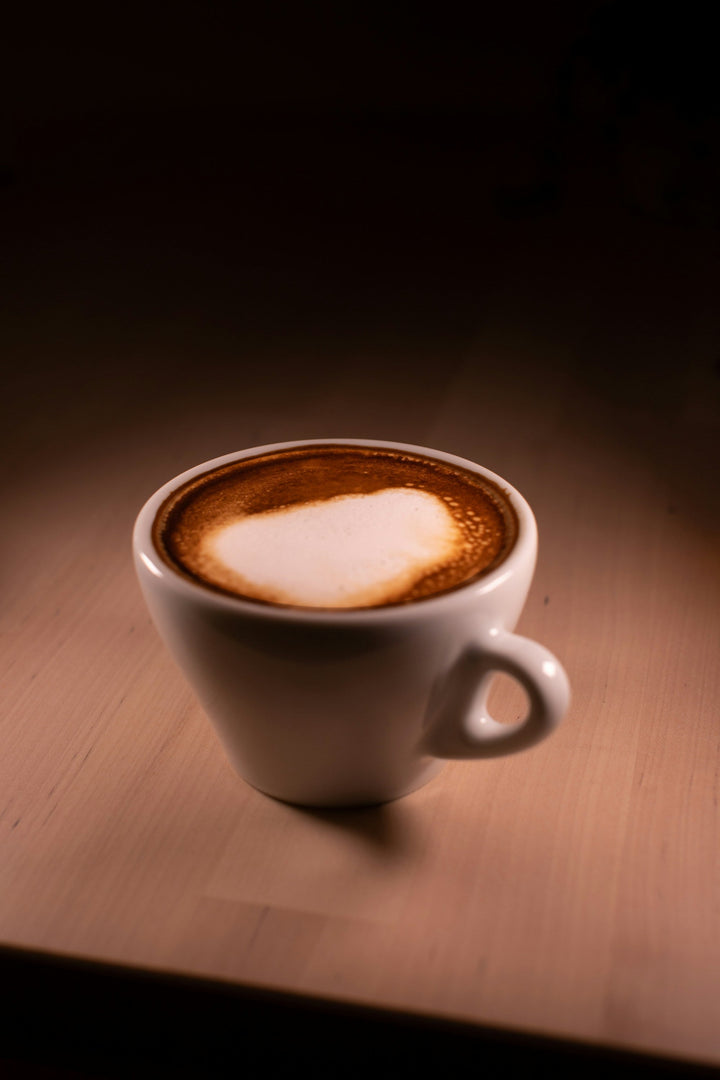
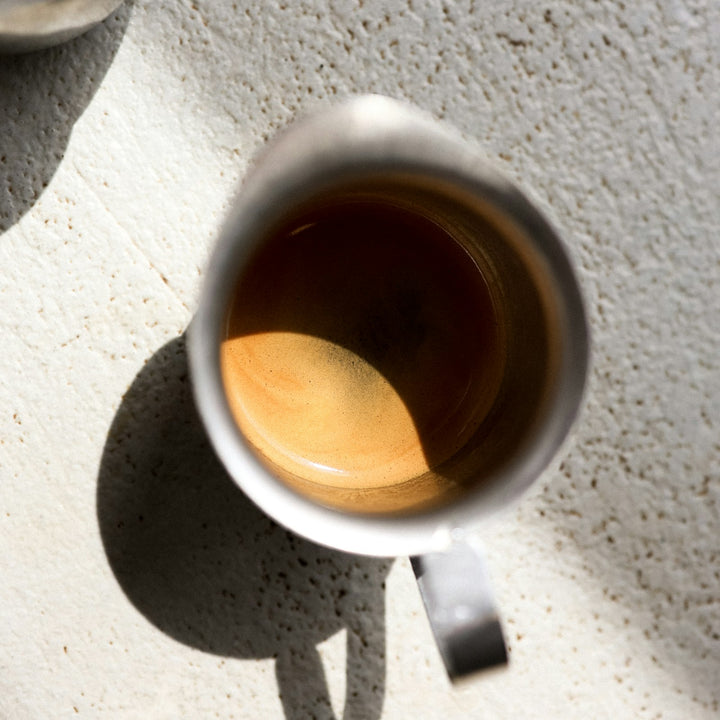
Crema is carbon dioxide trapped under pressure by a shot's own oils. It tracks freshness and roast level, not how good the coffee is.


Your cart is empty
Notes from the roastery: what we buy, how we roast it, and what we have learned building coffee programs on the Gulf Coast.
Tagged “home brewing” · see all of Learn
Crema is carbon dioxide trapped under pressure by a shot's own oils. It tracks freshness and roast level, not how good the coffee is.
Grind size has to match the brewer: too coarse tastes thin, too fine turns bitter. Here's the right size for each method, and why we grind every retail bag ourselves, ...
What actually causes a coffee's aftertaste, how the cupping form scores it, and why roast level and brew method change what lingers after you swallow.
Grind size isn't the variable that predicts taste. The spread around it is, and only a burr grinder's fixed gap can hold that spread steady.
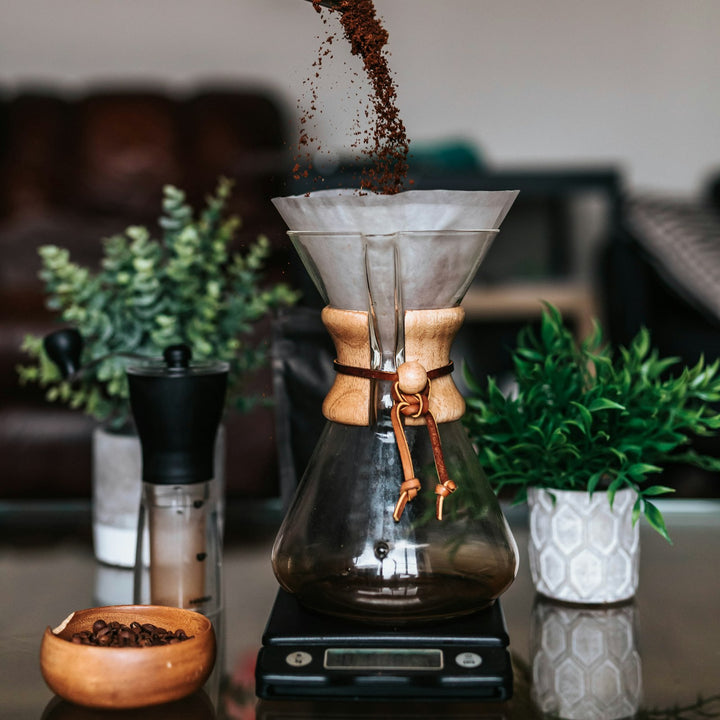
Pour-over coffee is hand-poured water through grounds in a filter, no pump or machine. What you need to brew it, and two Inheritance coffees built to hold up.
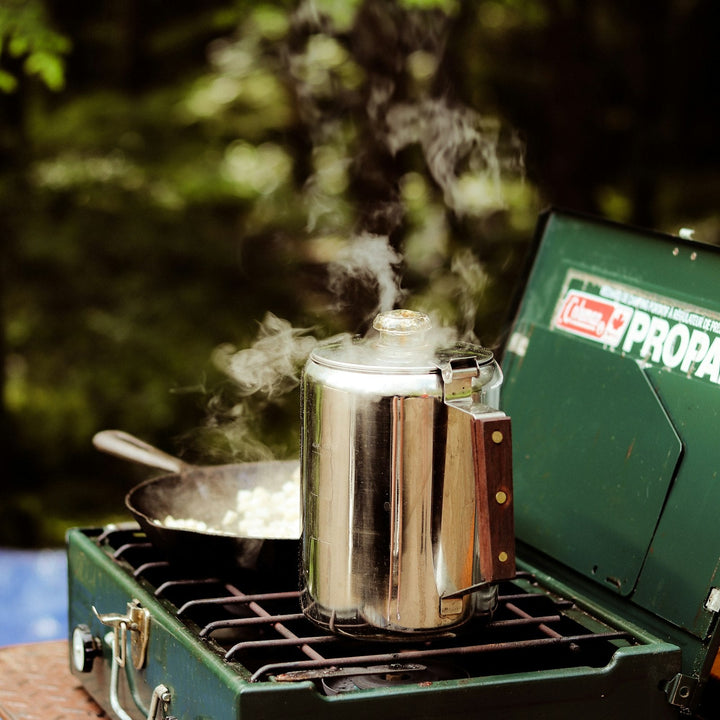
A percolator doesn't brew water through coffee once. It runs the same water back through the grounds over and over, on a timer nobody set. What that recirculation actu...
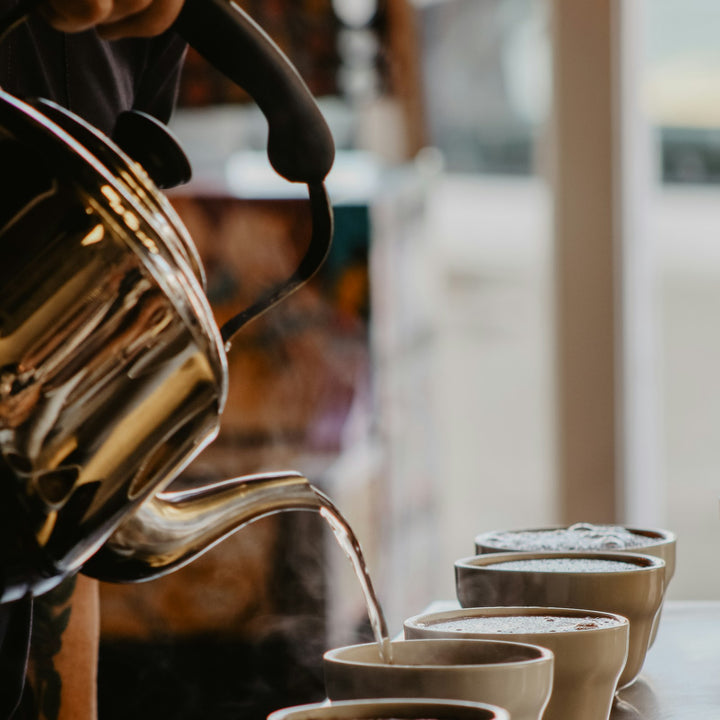
A French press, cold brew and a cupping bowl all work the same way: the coffee and all the water sit together until you separate them. What that changes, and what it d...
The same coffee tastes different on two different waters, and the number behind the difference is alkalinity, not hardness. We went to Pensacola's own utility report t...
Body is what a coffee feels like rather than what it tastes like, and it is almost never thickness. Here is what the measurements actually show, and the two levers tha...
The dry, puckering finish in a cup is not a taste at all. Here is the mechanism, the compounds roasting builds, and what to change at the brewer.
The three ratios we start from at Inheritance, why drip runs stronger than pour over, and what to change first when the cup tastes sour, bitter or thin.
Eight pages rank for this question and their shelf-life numbers disagree by roughly a factor of six. Here is the mechanism that actually governs it, so you can work ou...
Grinding finer moves flavor, not concentration. What strength and extraction actually measure, why the extraction curve peaks, and the dial that makes a cup stronger.