Food scientists at Ohio State University are trying to predict how a coffee will taste from the chemistry of its green, unroasted beans, so that breeders can judge cup quality without roasting and tasting every sample. The university's College of Food, Agricultural, and Environmental Sciences announced the multi-year project on 28 October 2026, funded by the US Department of State.
The project is led by Devin Peterson, a CFAES Distinguished Professor in the Department of Food Science and Technology. Spectrum News 1 reported the announcement the same day, and Peterson described the work in an interview with WOSU's Stu Osborne published on 12 November 2026.
How is coffee quality judged now?
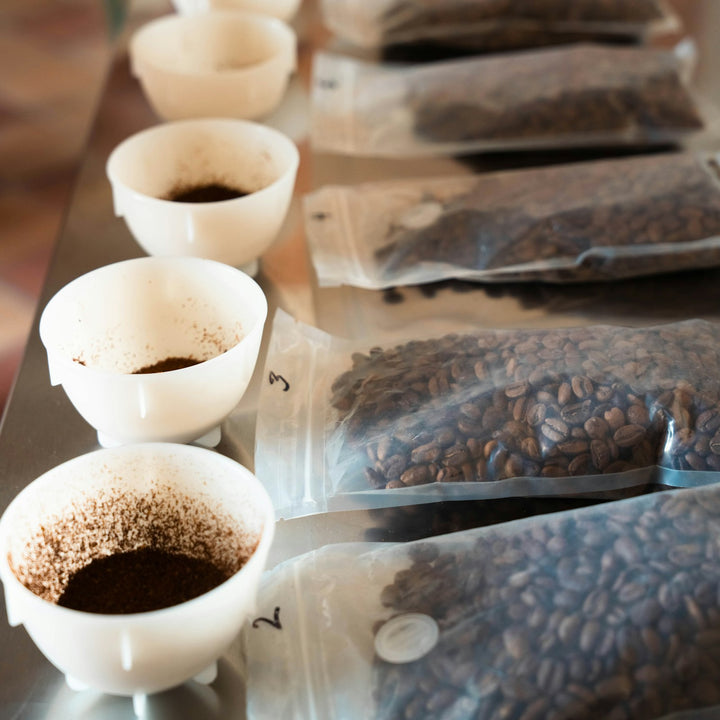
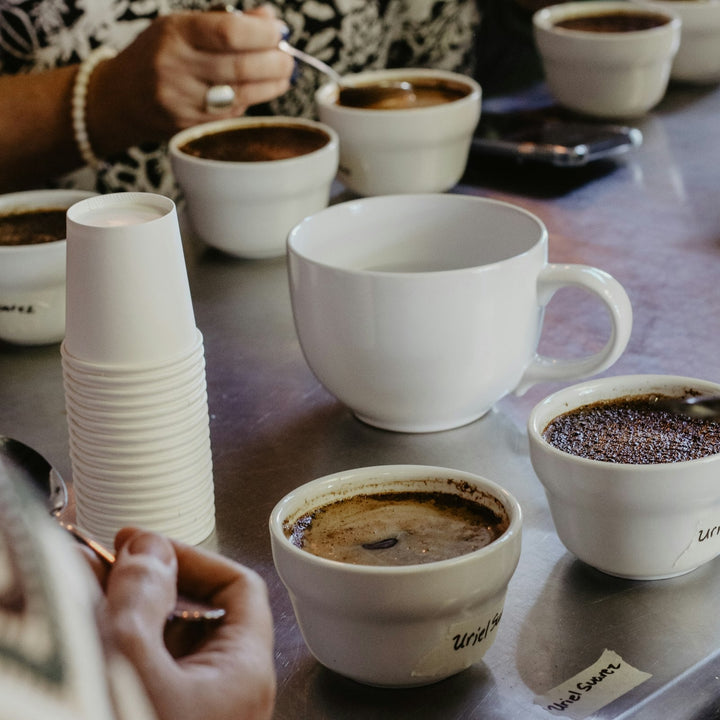
Breeders judge quality by cupping, in which trained tasters brew and score coffee made from roasted beans. The Ohio State release points to the limits of that method: tasters tire after a limited number of samples, and scores can vary from one person to the next, which makes it hard to compare thousands of samples on equal terms.
The wait is long as well. A coffee plant takes about five years to produce beans, according to the university, and a breeder may have thousands of promising lines to evaluate. "Coffee quality remains one of the most challenging traits for breeders to evaluate and improve," Peterson said in the release.
What will the researchers measure in green coffee?
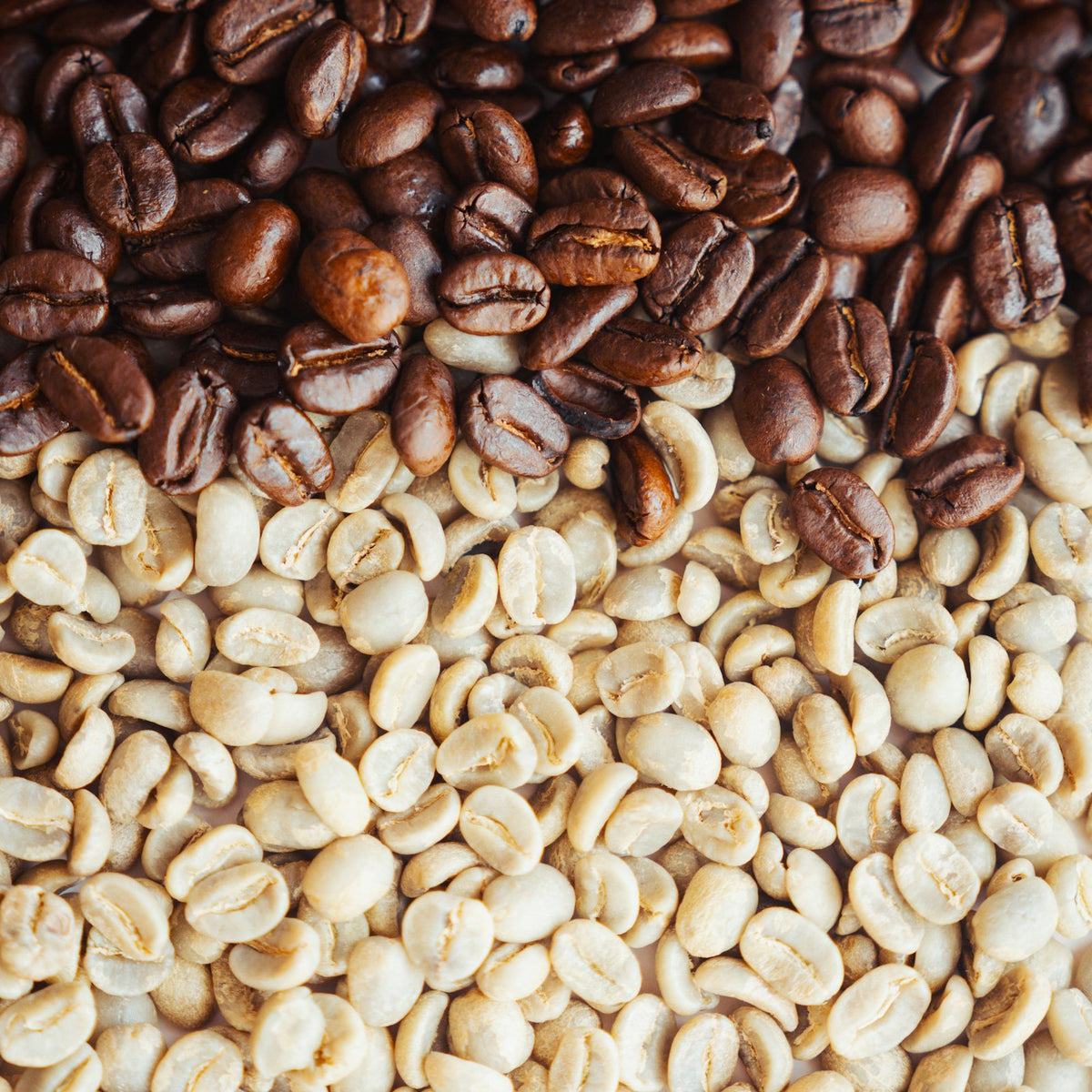
The plan has two steps, as the university describes it. The team will first work out which of the thousands of molecules in brewed coffee shape its flavor and quality, then trace those molecules back to the compounds in the green bean that turn into them during roasting. The stated aim is to give breeders a faster and more objective way to select plants, by screening unroasted samples rather than waiting on a cupping table.
Ohio State said the scientists will use chemical analysis and data science on hundreds of genetically diverse coffee samples from breeding programs around the world. World Coffee Research, the nonprofit that runs a global breeding program, will supply varieties. The release said the work will involve two PhD students and a part-time technician at the Flavor Research and Education Center in Columbus, and that it will set up Ohio State as a central screening lab for breeding programs that lack the equipment to run these analyses themselves.
Peterson told WOSU that the central idea is to help predict quality much earlier in the production cycle. "This is actually probably a four or five-year study," he said in the interview. No findings have been published yet, and none of the coverage reported any.
Where does the funding come from?
The project sits inside the Feed the Future Innovation Lab for Coffee and Cacao, a State Department program led by the University of Hawaiʻi at Mānoa and co-led by Clemson University. The University of Hawaiʻi said on 15 October 2026 that the lab carries up to $8 million in initial first-year funding under an agreement of up to five years, and it lists Ohio State among the lab's partners. Ohio State did not state how much of that money goes to the flavor project. The lab itself was reported here on 17 October.
Peterson's lab has studied coffee flavor before. In 2021 he and colleagues presented research to the American Chemical Society linking specific compounds to the body of brewed coffee, according to the society's release, including melanoidins to astringency and caffeoylquinic acids to a mouth-coating feel. Sprudge's Zac Cadwalader wrote on 9 November 2026 that the new project remains years from completion.
For how cuppers score coffee today, see what a coffee cupping score is, and for another cupping project, the Kenya Coffee Flavor Map reported here on 14 November.
- Announced: 28 October 2026 (according to Ohio State CFAES)
- Samples: hundreds of genetically diverse coffees from breeding programs worldwide (according to Ohio State CFAES, 28 October 2026)
- Expected length: "probably a four or five-year study" (Devin Peterson to WOSU, 12 November 2026)
- Parent program funding: up to $8 million in the first year (according to the University of Hawaiʻi, 15 October 2026)