Green coffee clears two separate federal checkpoints before any of it reaches a roaster, and the one that actually sets the clock is measured in hours, not days. U.S. Customs and Border Protection wants its paperwork filed at least 24 hours before an ocean container is even loaded at the foreign port. The Food and Drug Administration's prior notice rule asks for far less lead time at the other end: a minimum of 8 hours before a water shipment arrives at a U.S. port, under the regulation that actually governs it. Almost everything a bag of green coffee goes through between a farm and a warehouse here fits around those two numbers.
What leaves the farm isn't finished coffee yet
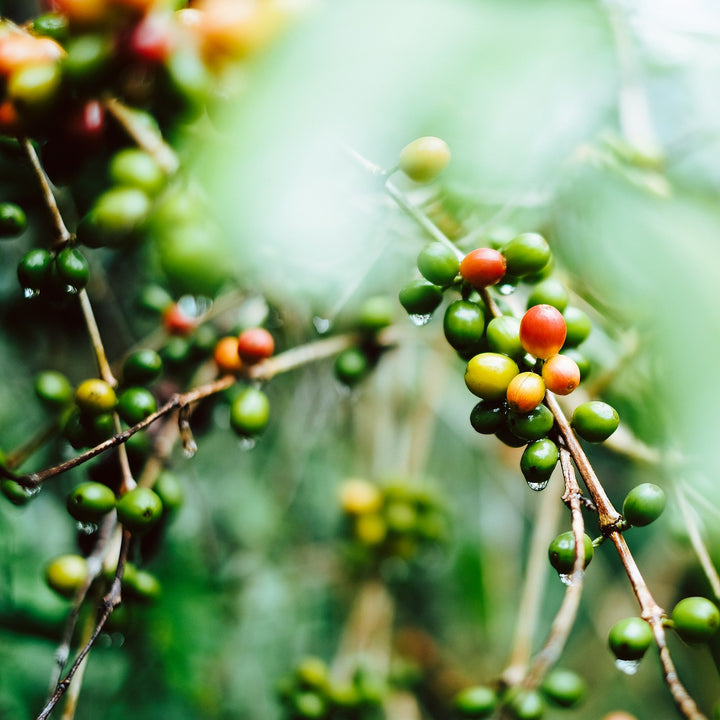
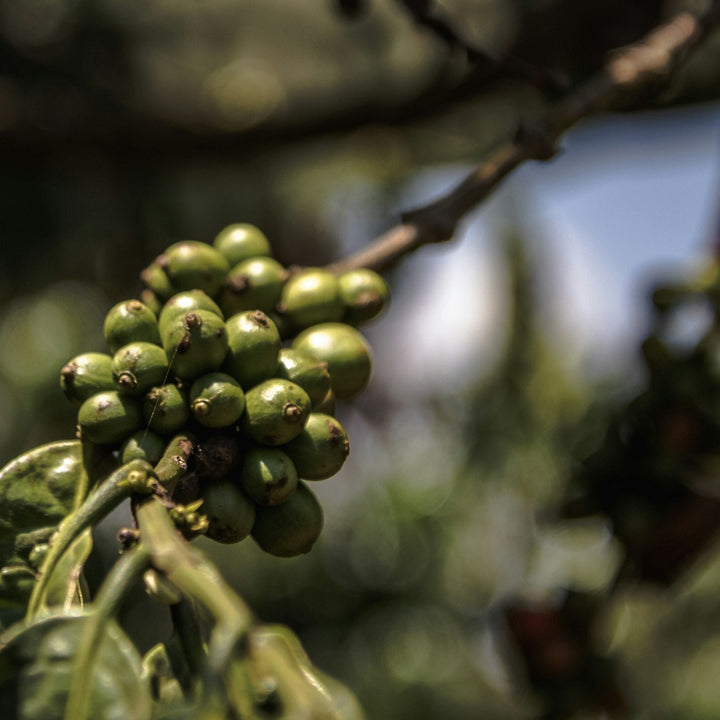
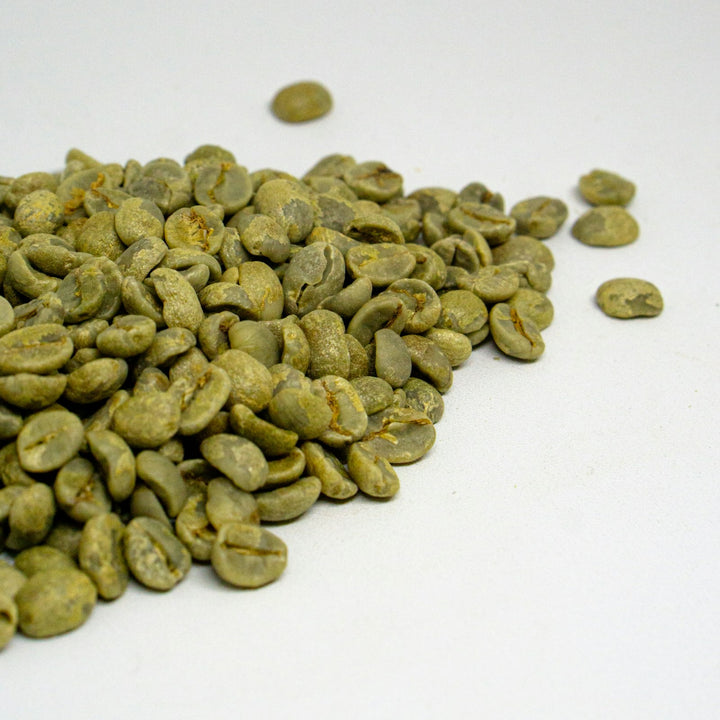
Our Kenya Kiambu comes from Spike Farm Estate in Kiambu County, where the farm manager, Moses, oversees the cherry harvest, the wet mill, the fermentation and the drying beds. His job, as the estate's own record puts it, is turning cherry into "export-ready green coffee." That phrase is doing real work. Export-ready means milled, sorted by screen size, bagged and marked with a lot number, sitting in a warehouse at origin waiting for a buyer. It does not mean cleared, insured or on a boat. Everything in this article happens after that point, to a product that already exists and already has an owner, just not one on this side of an ocean yet.
How does the coffee actually get to a US port?
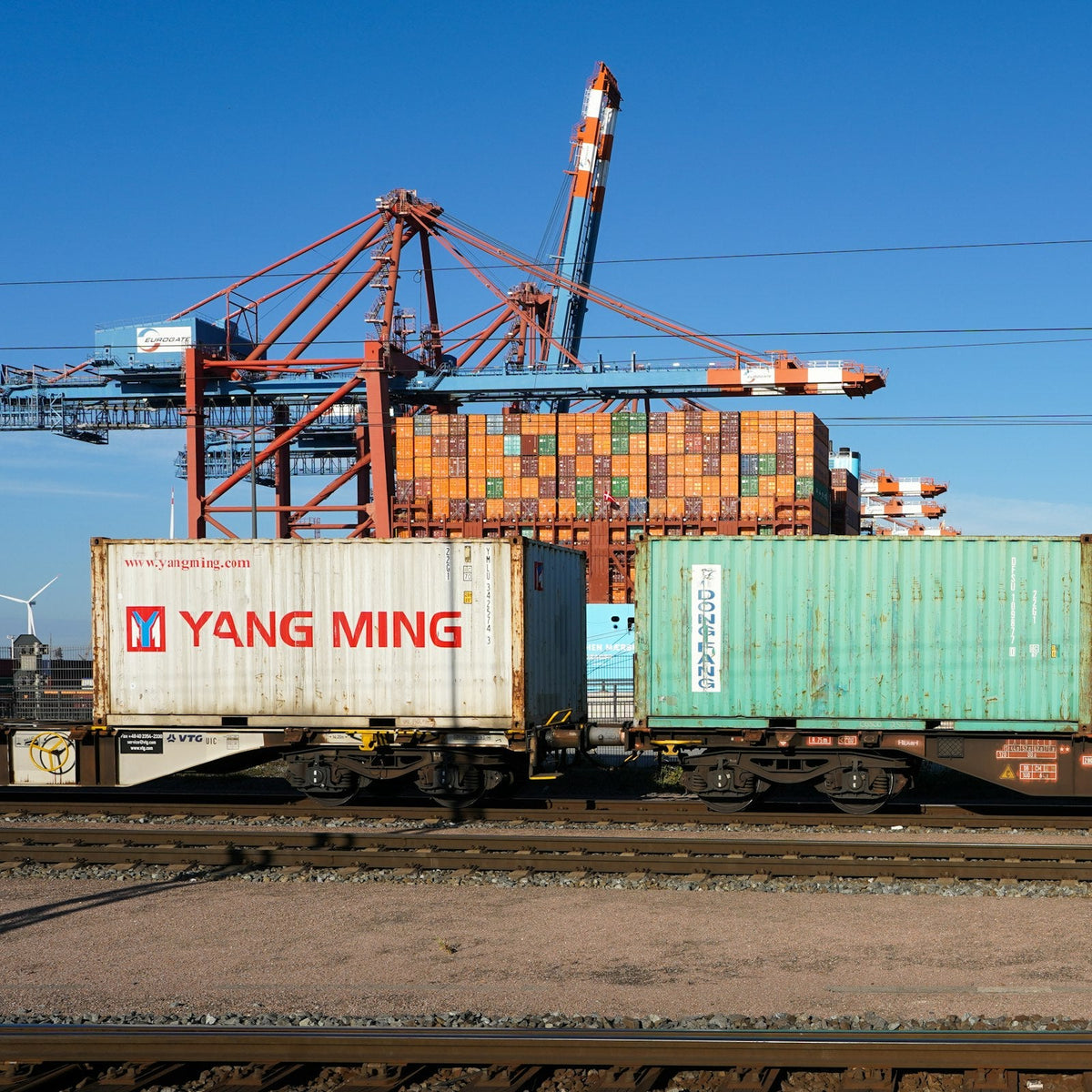
In a shipping container, consolidated with other lots, on a vessel that takes several weeks. A roaster our size does not charter that container. We buy through an import partner, Sweet Maria's, and its wholesale arm Coffee Shrub, the same company we have bought through since October 2023 and the first import partner we ever used. The exporter at origin, the ocean carrier and the importer on this end between them handle the booking, the bill of lading and the insurance. We never touch any of it, and we have never asked which port our own coffee actually clears through. That is not an oversight so much as the whole point of buying from an importer rather than direct: somebody else carries that risk and that paperwork for a fee, so we can order a hundred pounds of one lot instead of a container's worth. We went through the trade-offs of that arrangement in our piece on direct trade coffee, and this is the machinery sitting behind it.

What does US Customs require before any of it can move?
A customs bond, a filed entry and one specific deadline that has nothing to do with the FDA. USA Customs Clearance, a brokerage that works this exact trade, lays out the paper trail: a commercial invoice, a packing list, a bill of lading and an arrival notice, plus a customs bond that lets duties get paid without holding the shipment at the dock. For an ocean shipment there is also an Importer Security Filing, commonly called the 10+2 filing, and it has to be submitted at least 24 hours before the container is loaded onto the vessel at the foreign port, not before it arrives here. Miss it and the minimum fine is $5,000 per violation. Green coffee itself is good news on the one line that actually costs money: most of the tariff codes under heading 0901, the heading for coffee, are duty free. No import license or permit is required either. The bond and the filing are the real gate. The duty is not.
What does the FDA require, and how fast does it have to happen?
Facility registration and prior notice, and the timing on prior notice is the one number worth getting exactly right, because one of the two customs-brokerage guides I read while researching this piece got it wrong by orders of magnitude and the other skipped the number entirely. The requirement traces to the Public Health Security and Bioterrorism Preparedness and Response Act of 2002, later folded into the Food Safety Modernization Act: any food entering the country, green coffee included, has to come from an FDA-registered facility, and the FDA has to be told it is coming. The actual timing sits in the FDA's own regulation, Title 21, Section 1.279 of the Code of Federal Regulations, and it is not generous. Notice has to reach FDA no less than 8 hours before the shipment arrives at the port of arrival if it is coming by water, 4 hours by air or rail, and 2 hours by road. That is arrival, not departure, and hours, not days. One customs brokerage's own blog post on this exact question states a window of 15 to 30 days, which the regulation itself contradicts outright. I am naming that discrepancy rather than quietly picking the number that sounded more official, because it is the kind of error that is easy to repeat once somebody else has printed it first.
Who actually files all of this for a roastery our size?
Not us, and I want to be honest about how little of this we have ever had to touch. The bond, the entry, the prior notice and the facility registration are all handled upstream of where our own paperwork starts, by our importing partner and the parties it works with. We have never filed a prior notice, never posted a customs bond and never seen an Importer Security Filing with our own name on it. That is not a gap in our records. It is the entire reason a roastery that buys a hundred pounds at a time can exist at all: the importer absorbs the regulatory weight that would otherwise require us to behave like a company bringing in a forty-foot container, and we pay for that through the price of the green coffee rather than through a compliance department we do not have.
Where does this show up on a bag of Kenya Kiambu?
In one line on the product page that most people scroll past. Kenya Kiambu, SL-28 and SL-34 from Spike Farm Estate, washed and dried on raised beds, cups at 91.5. The page also publishes a transportation cost of $0.99, which is the one figure on that record that actually traces back to everything above: freight, the container, the port, the bond and the paperwork that got it through two federal agencies, compressed into a single number per pound. We don't break that number down further, because we don't hold the underlying invoices for each leg of it, and a figure we can't stand behind is worse than no figure at all.
The lot that made this concrete. Kenya Kiambu is on the shelf now in 250g, 2lb and 5lb bags, washed, light roasted, and ground to your brewer at no charge. Read more about the country it comes from and the variety behind the cup before you order.