Learn
The latest trends in eco-friendly workout wear, tips for living a more
sustainable lifestyle, and stories of women.
Learn
Green Coffee Demystified: What It Is and How to Use It
Green coffee beans are the raw, unroasted seeds of Coffea plants. They’re what coffee starts as before a roaster brings them to life with heat and time. For researchers, educators, and curious home roasters, green coffee offers a hands-on way to study aroma compounds, roast development, and flavor potential. The Green Coffee Product Example #1 from Inheritance Coffee serves as a practical reference point for exploring how green beans behave during storage, roasting, and brewing.
In this guide, you’ll learn the basics of green coffee, how to evaluate quality, and simple steps to roast and brew. You’ll also encounter common questions shoppers ask—and you’ll see how to think critically about authenticity, safety, and where to buy green coffee in real-world settings.
Green Coffee 101: What It Is and Why It Matters
Green coffee is the non-roasted form of coffee beans. The beans retain more of their natural moisture and a different chemical profile than roasted beans. Moisture content, density, and bean size influence how evenly beans roast and how much aroma you can coax from them. For labs, classrooms, and keen hobbyists, green coffee is a way to study how flavor develops from bean to cup.
Choosing the right green coffee matters. Look for clear lot information, storage guidance, and sample roasting tips from trusted suppliers. A product like the Green Coffee Product Example #1 provides a consistent starting point for experiments and a baseline for comparing roast profiles.
🛍️
Green Coffee Product Example #1
This is a placeholder product for R,D&E
by Inheritance Coffee
✓ Available
🛒
View Product
From Green Beans to Roasted Coffee: Practical Steps
Start with proper storage. Store green beans in a cool, dry place and keep them away from strong odors. Airtight, opaque containers help retain moisture balance and aroma. For beginners, small batches are easiest to manage and learn from, especially when you’re dialing in roast curves.
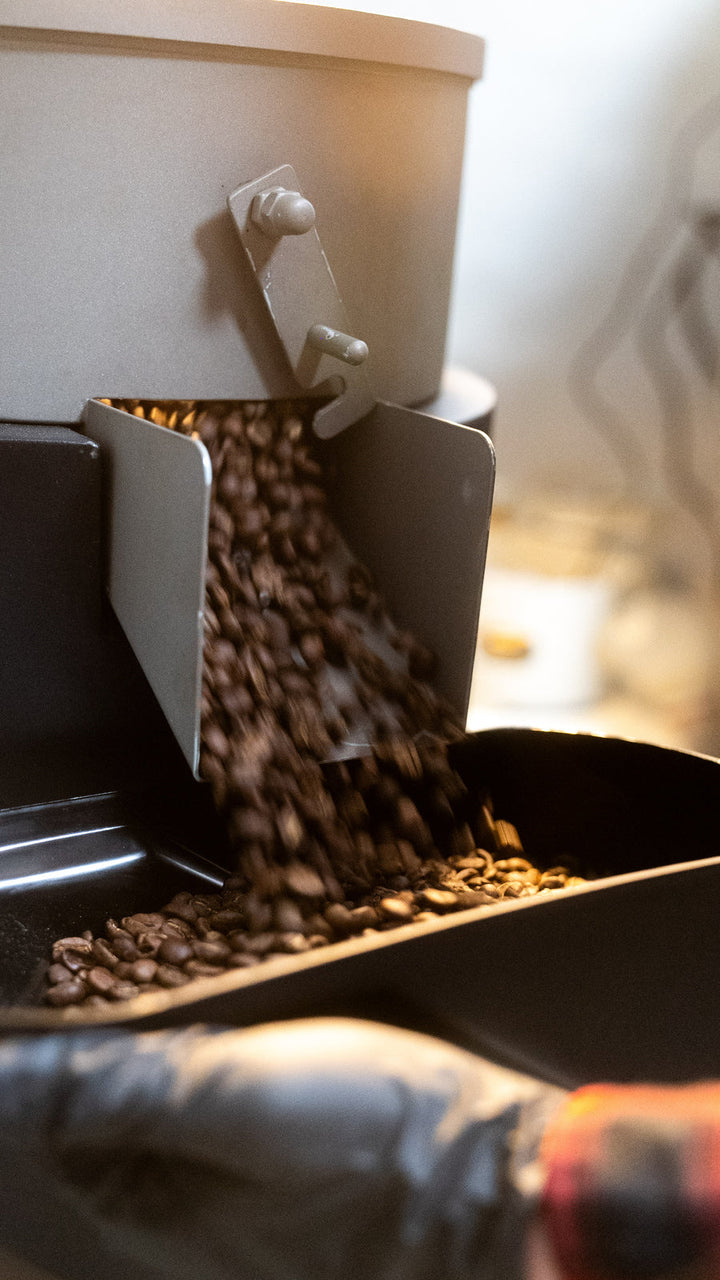
Roasting is where science meets art. Minor changes in heat ramp, airflow, and roast duration shift flavor from grassy and green to caramelized and chocolatey. You can document roast curves and aroma development to build a repeatable process. A well-chosen green bean, like the Green Coffee Product Example #1, can anchor your trials and help you compare outcomes across roasts.
Addressing Common Questions About Green Coffee
When people search for green coffee, they often come across terms like MSI. While MSI can show up in some supply contexts, the most important details for home roasters are consistent moisture content, origin information, and a clean aroma profile. Always buy from reputable suppliers who provide batch data and storage recommendations.
Many shoppers worry about bahaya green coffee, or perceived dangers. The reality is that caffeine remains the main active compound, and sensitivity varies between individuals. If you’re pregnant, have caffeine restrictions, or experience stomach upset, consult a healthcare professional before changing your caffeine intake or using green coffee-derived products.
Questions about green coffee pelangsing—claims of weight loss—come up often. It’s important to be skeptical: there’s limited evidence that green coffee alone delivers lasting weight loss. A healthy diet and regular activity play a larger role, and any supplement claims should be evaluated carefully with reliable sources.
Authenticity matters when you’re shopping for green coffee asli. Look for clear origin labels, batch numbers, and trusted vendors. If you’re new to green coffee, start with a well-reviewed supplier and request a sample roast to gauge aroma and potential flavor before purchasing larger lots.
Availability varies by location, so you may not find green coffee di Alfamart in every area. In many places, you’ll find green coffee beans through specialty retailers, roasters, or online suppliers with transparent origin stories. Knowing what you’re buying helps you evaluate flavor potential and roast outcomes more confidently.
Roasting, Brewing, and Getting the Most from Green Coffee
After you roast, adjust grind size and brew method to unlock flavor. Lighter roasts emphasize brightness and acidity, while darker roasts add body and sweetness. Keeping a simple log of roast times, temperatures, and cup notes helps you refine your process over time.
Brewing is the final step in revealing a green bean’s potential. Start with a controlled method, such as a pour-over or a measured immersion brew, to appreciate aroma and sweetness. Whether you’re roasting for a café experiment or a home setup, green coffee like the Green Coffee Product Example #1 offers a concrete way to study how beans transform and how you can influence taste via roast and brew decisions.
Conclusion: Start Your Green Coffee Journey
Green coffee opens a doorway to flavor science, roasting craft, and ongoing discovery. By choosing a trustworthy green coffee candidate and roasting with intention, you’ll gain insight into aroma development and cup balance. Remember to verify authenticity, manage storage properly, and enjoy the learning process as you explore the many flavors green beans can unlock.
Ethiopia Yabitu Koba: Heirloom Coffee with Peachy Notes
Discover Ethiopia Yabitu Koba: Heirloom Coffee with Peachy Notes
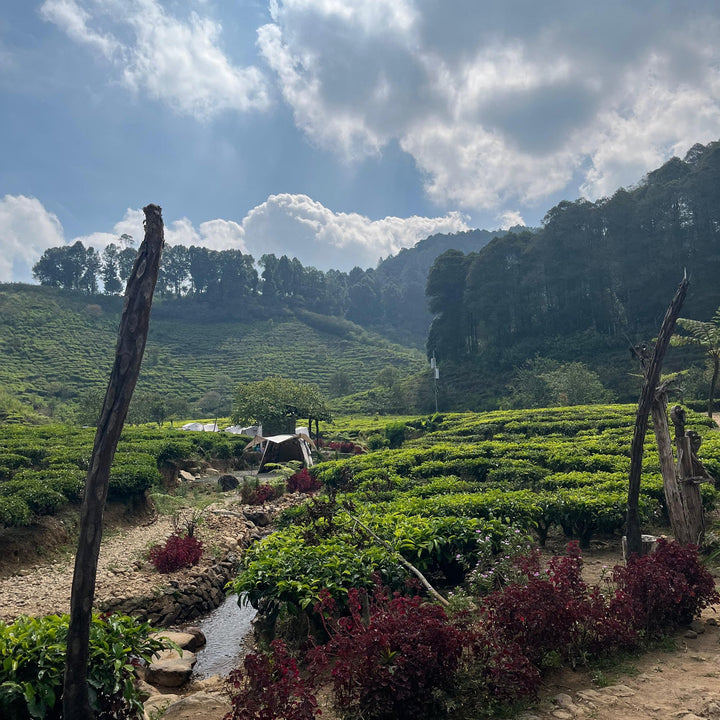
Coffee has a long, global journey, yet some cups instantly transport you to a single place. Ethiopia is widely celebrated as the birthplace of coffee, where smallholder farmers have nurtured beans that carry history in every bean. Ethiopia Yabitu Koba is one such coffee—a natural-processed, heirloom varietal from a collective of Ethiopian smallholders. Expect flavors like cooked peach, apricot, and dates to dance across the palate, offering a sweet, fruit-forward profile that’s both comforting and distinctive.
Brewing history aside, the way you prepare Yabitu Koba can dramatically influence what you taste. The right technique reveals its fruit-forward character while preserving the coffee’s balanced sweetness. Below, we’ll explore why Ethiopian coffee stands out, what makes Yabitu Koba unique, and practical tips to bring out its best notes while staying true to the story behind the cup.
What makes Ethiopian coffees special?
Facts about coffee often begin with a quick origin story. Coffee beans come from the cherry fruit of Coffea plants, with two main species dominating global markets: Coffea arabica and Coffea canephora (robusta). Many of the most beloved single-origin coffees hail from Arabica varieties, prized for their nuanced flavors and aromatic profiles. Ethiopia, in particular, is famous for heirloom varieties—local cultivars that produce a wide range of flavor notes depending on elevation, soil, and processing method. These nuances are part of what gives Yabitu Koba its character.
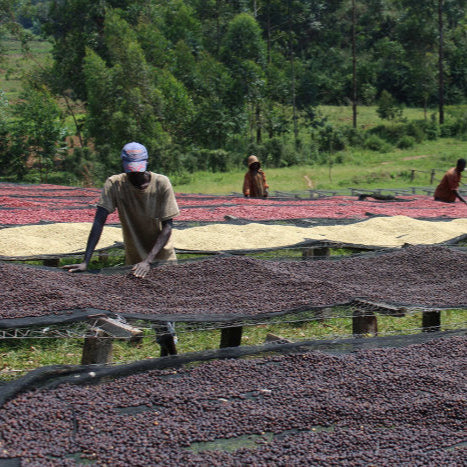
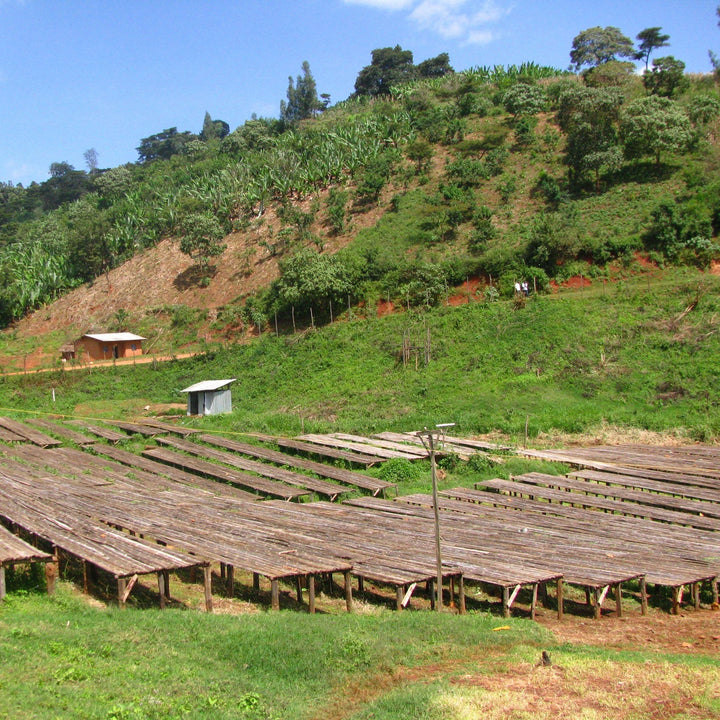
Another key distinction is processing. Ethiopian coffees are often processed in ways that emphasize natural, sun-dried sweetness. In natural or dry processing, the coffee cherry dries with the bean inside, allowing sugars to concentrate and fruit flavors to intensify. That approach helps explain why Yabitu Koba carries notes described as cooked peach and apricot, with a gentle, almost date-like sweetness. This method also preserves a lively acidity that makes the cup feel bright rather than heavy.
Yabitu Koba: a collective story from Ethiopian smallholders
The Ethiopia Yabitu Koba is a product of a collective lot from Various Smallholders Farmers, brought together by Inheritance Coffee. This setup is more than a label; it’s a community effort where farmers pool resources, share best practices, and maintain high standards from harvest to bag. The heirloom varietal designation signals traditional Ethiopian genetics—often adapted to local growing conditions—that contribute to a coffee with depth and regional flavor identity. Processing is described as natural, which, combined with Ethiopian altitude and climate, yields a cup that can show both warmth and brightness in harmony with its fruity notes.
🛍️ Product
Ethiopia Yabitu Koba
Producer: Various Smallholders Farm: Collective Lot Origin: Ethiopia Varietal: Heirloom Process: Natural Flavor Notes: Cooked Peach, Apricot, Dates
by Inheritance Coffee
✓ Available
🛒
View Product
Brewing to highlight cooked peach, apricot, and dates
Maximizing the Yabitu Koba flavor profile starts with a clean and precise brew. A gentle grind size, paired with balanced water temperature, helps preserve the delicate fruit tones without letting them overwhelm the cup. A pour-over method—such as a simple cone or a more ritualized dripper setup—works well for showcasing the coffee’s natural sweetness. Ground coffee weight, water ratio, and bloom time matter. A typical starting point is about 1 gram of coffee per 15-16 grams of water, then adjusting to taste. Aim for a water temperature in the mid-90s Celsius (around 195-205°F) to awaken aroma and fruit characters without scorching the beans.
Beyond pour-over, Yabitu Koba can also shine through a carefully prepared French press or a clean automatic drip model. The key is to avoid over-extraction, which can push the cup toward bitterness and mask the subtle peachy notes. If you prefer a broader tasting experience, a short, controlled agitation during the pour can help evenly saturate the grounds and separate the sweetness from the acidity. This approach invites you to notice the interplay between fruit flavors and the natural body that characterizes this coffee.
Storage, tasting, and gear for fresh flavor
To keep Yabitu Koba tasting vibrant, store beans in an airtight container away from light, heat, and moisture. Whole beans hold their aroma longer than pre-ground coffee, so consider grinding just before brewing. For those on the go, a quality insulated tumbler helps preserve aroma and temperature, letting you enjoy a fresh cup even when you’re away from home. When selecting a tumbler, look for a well-sealed lid, BPA-free construction, and a design that minimizes heat loss while not affecting the coffee’s aroma. Coffee is often described as a mood-enhancing ritual; keeping your brew hot and fresh supports that experience throughout your day.
History, quotes, and the aroma of the moment
Delving into the history of coffee reveals a journey across centuries and continents. From its legendary discovery in the Ethiopian highlands to its spread across the Arabian Peninsula and beyond, coffee’s story is a tapestry of culture, trade, and daily ritual. As one famous line suggests, coffee is a language in itself, a sentiment that captures how a single cup can convey culture, memory, and momentary joy. Coffee history is also a reminder that even smallholder farms, like those behind Yabitu Koba, contribute to a global narrative of flavor, resilience, and community.
Choosing the right cup for a memorable tasting
Pairing this coffee with the right vessel can elevate the tasting experience. A clear cup or glass can reveal the cup’s color and clarity, helping you sense the balance between acidity and sweetness. If you’re replacing a tumbler, consider a vessel that concentrates aroma as you sip, since aroma is a big part of how we perceive flavor. Whatever you choose, the goal is to enjoy the cup without distracting from the fruit-forward profile that Ethiopian coffees like Yabitu Koba deliver.
Concluding thoughts: savoring a classic from a modern collective
Ethiopia Yabitu Koba embodies a traditional approach to coffee—heirloom genetics, natural processing, and the collaborative effort of smallholders—while inviting modern drinkers to taste the nuance of sun-dried fruit and sun-warmed sweetness. The cup rewards a patient palate and a careful hand with grind, temperature, and time. If you’re building a shelf of distinctive single-origin coffees, Yabitu Koba deserves a place for its ability to evoke a sense of place with each sip.
Ratio S2 Basket Paper Filters: 100 Count for Perfect Coffee
When you dial in a Ratio Six or Ratio Eight espresso-style brewer, the last piece of the puzzle is often the simplest: the filter paper. The Ratio Six and Eight S2 basket paper filters are designed to extract the full potential of your coffee with every brew. Made from laboratory-grade paper and 100% virgin wood pulp, these filters deliver consistent flow-through and clean flavor, ensuring your beans shine through without bitterness or off-notes. With a generous 100-count pack, you won’t run out in the midst of a busy morning routine or a weekend tasting session.
Why the Right Filter Paper Matters for Your Ratio Brew
The coffee you taste is as much about filtration as it is about the grind, water, and temperature. A high-quality filter paper helps control extraction by providing a steady, predictable flow of water through the coffee bed. That means more uniform extraction, better body, and clearer aroma. The Ratio S2 basket filters are tailored to fit the Six and Eight models, so you get a reliable seal and consistent performance every time you brew.
Choosing filter papers that are designed for your machine reduces the risk of channeling, uneven pours, or heavy sediment. Lab-grade filters act as a barrier against stray paper fibers and micro-particles that can alter the flavor profile. In short, they help you taste the coffee as the roaster intended, with a cleaner cup and more defined brightness.
🛍️ Product
Ratio Six and Eight S2 Basket Paper Filters (100 Count)
These paper filters are designed to properly extract the full potential of your coffee on your Ratio Six. They are made of laboratory-grade paper for ...
by Ratio
Understanding Filter Paper Size, Fit, and Availability
Filter paper size matters almost as much as the coffee you grind. The Ratio S2 basket papers are engineered to align perfectly with the S2 basket shape, giving you a consistent bed geometry and a balanced extraction. If you’ve ever wondered, “coffee filter paper sizes”, this is the size that matches Ratio’s S2 basket for reliable results. The right size helps prevent leaks, over-extraction, or under-extraction that can happen when papers are too large or too small.
For shoppers curious about where to buy, you may see various filter papers marketed at supermarkets. You might spot options labeled as coffee filter papers Morrisons, coffee filter papers Aldi, or even coffee filter papers Argos. While those retailers can be convenient for everyday drip setups, the ratio-specific S2 basket papers are designed to work with the Ratio Six and Eight machines for optimal flavor and speed. If you’re building a dedicated coffee routine around your Ratio brewer, the 100-count pack delivers long-term value and consistent results across many batches.
What to Look for in a Filter Holder
Another practical consideration is the setup you use to hold the filter in place. If you’re using a dedicated Ratio basket, the S2 paper filters are built to sit neatly in the basket without buckling or shifting during brewing. If you also use other filter paper holders or accessories, make sure the holder accommodates the S2 size and keeps the paper flat for even extraction. A stable holder reduces agitation and helps preserve the delicate flavors of your coffee.
Product Spotlight: The Ratio S2 Basket Paper Filters
The Ratio S2 Basket Paper Filters are designed to unlock the cleanest possible cup from your Ratio Six or Eight machine. The filters’ lab-grade paper minimizes impurities that can alter taste, while the 100% virgin wood pulp construction promotes precise flow-through. This means your brew spends the right amount of time in contact with the grounds, extracting more of the aromatic oils and clarity you expect from a well-made coffee.
Each 100-count box keeps your coffee routine uninterrupted, whether you’re entertaining guests or enjoying a quiet morning solo. The filters are optimized for the S2 basket, ensuring a snug fit and consistent performance across batches. If you’re chasing café-quality flavor at home, these filters are a straightforward upgrade that pays off in every cup.
Brewing Tips: Getting the Most from Your Ratio Filters
Even with high-quality paper, a few simple habits can elevate your coffee. Start with freshly roasted beans and a stable grinder to ensure an even extraction. Water temperature should hover around the optimal range for your roast level, typically just off the boil for most medium roasts. Because filtration can influence clarity, you’ll notice more nuanced notes when your grind size and brew ratios are dialed in. The Ratio S2 basket filters help you achieve that clean cup by providing predictable flow and minimal sediment.
For beginners, aim for a balanced brew ratio and a 25–30-second pour window to reduce over-extraction. More experienced brewers may experiment with slightly finer grinds or slower pours to tease out unique flavor profiles. If you’ve encountered issues like off-flavors or inconsistent pours in the past, switching to dedicated Ratio S2 basket paper filters is a simple step that often yields immediate improvements.
Care, Storage, and Long-Term Performance
To keep your filters performing at their best, store them in a dry, cool place away from humidity. Paper filters can absorb odors if left open in a damp pantry, so keeping the box sealed helps preserve their integrity. The 100-count box is convenient for regular use and reduces the risk of running out during a busy week.
When it’s time to replace your filters, choose the Ratio S2 basket filters designed specifically for your machine. Using the right size and material ensures the cup you brew remains true to the origin and roast, with consistent aroma and mouthfeel across batches.
Conclusion: Invest in Consistent Quality with Ratio S2 Filters
Filtration is a quiet power in the coffee making process. The Ratio S2 Basket Paper Filters deliver a reliable, café-worthy filtration experience by combining precise flow-through with clean, pure paper. Whether you’re hosting a small group or enjoying your own quiet morning ritual, these 100-count filters help you maintain consistency, flavor clarity, and ease of use with your Ratio Six or Eight machine.
Ratio Four Coffee Machine: The Ultimate Small-Batch Pour-Over
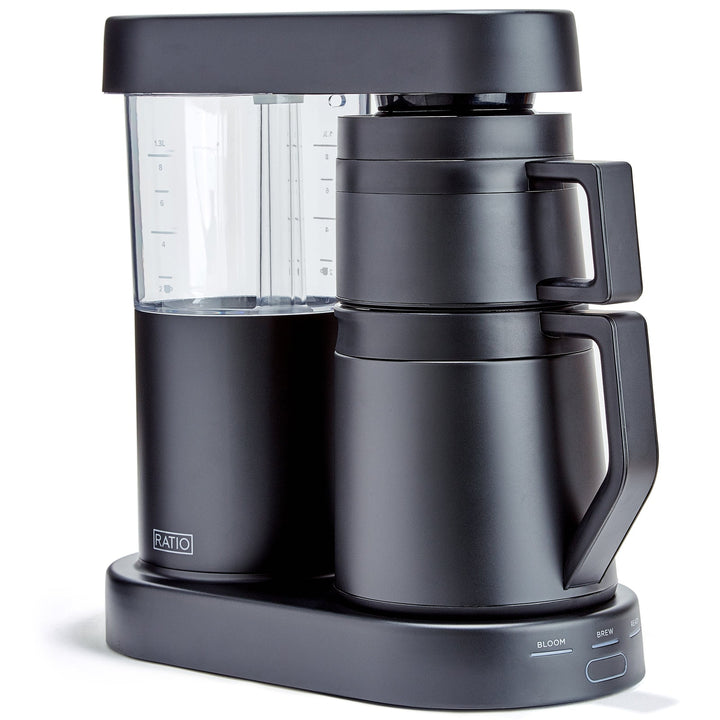
For home brewers who want the precision of a pour-over with the convenience of a compact machine, Ratio Four hits the sweet spot. This little brewer makes 5 to 20 ounces per batch—enough for one to two cups or a single large travel mug. It also shines in speed, delivering a bloom cycle in about 4 minutes or less. If you love a clean, flavorful cup without the guesswork, the Ratio Four deserves a closer look.
Think of Ratio Four as a modern, space-saving twist on a classic pour-over ritual. It combines the ritual of manual brewing with consistent results you can count on every time. The machine’s thoughtful design includes a removable water tank that can be placed on the left, right, or behind the unit, so you can fit it to your counter setup. At just 11.5 inches tall and 7.5 inches wide, it’s small enough to live on any kitchen counter without stealing space from your other tools.
🛍️ Product
Ratio Four Coffee Machine
Meet Ratio Four: the first affordable and beautiful “half batch” pour over coffee machine. The Four is our smallest brewer yet, an agile, sleek machin...
by Ratio
✓ Available
🛒
View Product
Why a Small-Batch Pour-Over Makes Sense
Many coffee lovers crave the control of a pour-over: you can shape flavor with grind size, water temperature, and brew time. Ratio Four brings that control into a compact, user-friendly form. Rather than brewing a full carafe, you get a precise, focused cup profile that highlights your chosen beans. The bloom cycle, which begins the extraction process, helps awaken aromatic compounds and sweetness right from the start. Because the batch size is small, you can experiment with different coffees without committing to a large pot.
For people who rotate through different beans, a small-batch brewer makes it easy to tailor each cup to the roast and origin. The Ratio Four’s efficiency also means you spend less time waiting for your coffee to finish and more time enjoying it. The result is a cleaner cup with less acidity or bitterness that can come from over-extraction in larger batches.
Understanding the Core Benefits
The Ratio Four is built around speed, precision, and a tidy footprint. A five-year warranty backs its durability, which speaks to Ratio’s confidence in the product’s long-term performance. Its stature and sleek silhouette make it a visually appealing addition to contemporary kitchens while remaining practical for everyday use. Whether you’re sipping a quick morning cup or sharing a small-batch brew with a friend, this machine makes the process approachable and satisfying.
Brewing with a bloom cycle in around four minutes means you can dial in your grind size and coffee-to-water ratio to get consistent results. The pour-over style also helps reduce the chance of over-extraction, a common pitfall when rushing a larger batch. If you’ve ever used a traditional coffee maker and found the results variable, Ratio Four offers a more controlled path to a great cup.
How Ratio Four Compares to Everyday Coffee Makers
One of the common questions coffee lovers ask is how a pour-over brewer stacks up against a typical coffee maker. If you’ve ever used a coffee maker with a built-in grinder or a standard drip machine, you’ve probably experienced inconsistent flavor from batch to batch. The Ratio Four focuses on a deliberate, scalable process. It’s not a press-style brewer, so it doesn’t rely on pressure to extract flavor. That difference matters for taste: you often get cleaner clarity and a lighter body that highlights the beans’ natural notes.
For enthusiasts who grew up using a coffee maker such as a French press, it’s worth noting how Ratio Four aligns with or diverges from that approach. A French press (often associated with brands like Bodum) uses immersion and pressure to push oils through a metal mesh. The Ratio Four instead emphasizes the finesse of pour-over control, which can lead to brighter flavors and more nuanced acidity. If you like the body of a press but want more precision, Ratio Four offers a compelling middle ground without sacrificing convenience.
Outdoor Brewing: Made for the Road
If your coffee adventures take you outdoors, the Ratio Four’s compact form is a boon. Its small footprint means you can easily pack it for a cabin trip, a campsite setup, or a compact travel kitchen. Outdoor coffee making often demands adaptability, and the Four’s left-right-back water-tank placement makes it easy to position on uneven surfaces or in tight spaces. When fresh air and a great cup are on the schedule, this brewer helps you stay fueled without compromising flavor.
Filtration and Flavor: What You Need to Know
Pour-over brewing typically involves a paper filter to ensure a clean cup, but the exact filtration method is flexible depending on your preferences. The Ratio Four’s design centers on the pour-over technique, so you’ll likely use your preferred filter type to achieve your ideal clarity and mouthfeel. Clean brewing ecosystems—whether you opt for a light filter or a standard dripper setup—work well with this machine, enabling you to unlock the coffee’s unique tasting notes.
Deutsch Engineering and Modern Craft
German engineering is renowned for precision and durability, and while Ratio Four isn’t German-made, its design ethos echoes that spirit: simple, reliable, and precise. The result is a compact machine that balances form and function, offering a premium experience in a small footprint. If you’ve preferred meticulously engineered tools in the past, Ratio Four aligns with that mindset by delivering consistent performance with thoughtful details like the flexible water tank placement.
Choosing the Right Small Brewer for Your Kitchen
When selecting a brewer for your home, consider how you brew, how much you drink, and how much countertop real estate you’re willing to allocate. The Ratio Four shines when you want a reliable, efficient, and visually appealing coffee setup that doesn’t dominate your space. Its 11.5-inch height and 7.5-inch width make it an unobtrusive addition to most kitchens, apartments, or office setups. The five-year warranty adds reassurance that this is a long-term investment in your daily ritual.
Another factor is flexibility in placement. The left-right-back water-tank option makes installation friction-free, whether your outlet is near the sink or across the counter. This adaptability is particularly helpful in smaller kitchens or shared spaces where layout options are limited. If you’re upgrading from a basic coffee maker or a single-serve device, Ratio Four offers a step up in consistency and flavor without sacrificing convenience.
Minding Your Coffee’s Freshness and Flavor
Beyond the machine itself, how you store and grind your beans affects the cup. Freshly roasted coffee retains aroma and sweetness best when kept in an airtight container away from light and heat. For best results, grind just before brewing and adjust grind size to your ratio and water temperature. Because Ratio Four emphasizes a bloom cycle and a quicker brew, you’ll notice how the grind size and water quality translate to flavor clarity and aroma right away. Keep your gear clean as well—residue can dull the beans’ natural flavors.
Maintenance and Care for Longevity
To keep Ratio Four performing at its best, rinse the chamber and any removable parts after each use and dry thoroughly. Periodic descaling helps remove mineral buildup that can affect flavor and speed. Follow the manufacturer’s guidelines for proper care, and you’ll protect the machine’s performance and its five-year warranty. A clean brewer means a brighter cup and a more enjoyable morning routine.
Putting It All Together: Is Ratio Four Right for You?
If you’re a home coffee enthusiast who loves a precise, repeatable pour-over experience in a compact package, Ratio Four is a strong fit. It’s ideal for individuals or couples who drink 1–2 cups per session and want the flavor clarity that pour-over delivers, without the fiddly setup of a manual pour-over. The bloom cycle, quick turnaround, and flexible footprint make it a practical upgrade from many standard coffee makers—and its durability and warranty add peace of mind for everyday use.
Whether you’re replacing a Bodum french press, outfitting a small apartment, or seeking a reliable outdoor brewing companion, Ratio Four offers a compelling balance of form and function. It’s a thoughtfully designed tool for modern coffee lovers who value both aesthetics and performance.
Kenya Nyeri Kamoini: Bright Kenyan Coffee with Peach Notes
Discover Kenya Nyeri Kamoini: Bright Kenyan Coffee from Smallholders
For coffee lovers who crave a lively cup with a clean, fruity profile, Kenya Nyeri Kamoini delivers a bright experience from start to finish. This single-origin blend comes from a collective of smallholder farmers in Nyeri, Kenya, where careful picking and traditional washed processing bring out the bean’s characteristic clarity. The blend features Arabica varietals SL-28, SL-34, and Ruiru 11, all grown by passionate growers who know their land well. The result is a cup that shines with balance, making it a versatile choice for everyday brewing.
Understanding where your coffee comes from helps you appreciate the story behind the flavor. Nyeri Kamoini is a testament to community coffee—smallholders pooling resources to produce lots that are both consistent and expressive. This particular lot is processed using the washed method, a common Kenyan approach that tends to highlight acidity and aromatic complexity while keeping body light and vibrant.
Origin and Craft: From Kenya’s Nyeri to Your Cup
The Nyeri region sits in the highlands of central Kenya, where altitude and cooler nights help slow the ripening of coffee cherries. In this project, several smallholders contribute to a collective lot, ensuring quality control across the supply chain. The beans come from SL-28, SL-34, and Ruiru 11 plants—cultivars known for their cup profiles that range from bright citrus to rich stone fruit. Through the washed process, fruit mucilage is removed before drying, resulting in a cleaner cup that preserves nuanced flavor notes rather than masking them with excessive body.
When you’re shopping for coffee beans online, you’ll often encounter terms like washed, dry, or honey processing. With Nyeri Kamoini, washed processing helps accentuate the beans’ natural brightness and gives a crisp finish—an important factor if you’re looking for a pour-over or drip coffee that reveals aroma and acidity without heaviness. If you’re curious about the broader world of coffee bean types, think of Arabica versus Robusta, and then dive into the many cultivars within Arabica, including SL-28, SL-34, and Ruiru 11. Each carries distinct flavor tendencies while sharing the same family lineage.
🛍️ Product
Kenya Nyeri Kamoini
Producer: Various Smallholders Farm: Collective Lot Origin: Kenya Varietal: SL-28, SL-34, Ruiru 11 Process: Washed Flavor Notes: Cooked Peach, Apricot...
by Inheritance Coffee
✓ Available
🛒
View Product
Flavor Spotlight: Cooked Peach, Apricot, and Dates
In the cup, Nyeri Kamoini presents a bright, approachable sweetness with stone-fruit highlights. The cooked peach notes lean toward ripe sweetness without being overdone, while apricot adds a tangy-sweet snap that keeps the cup lively. Subtle dried-date notes round out the finish, lending a gentle depth that prevents the cup from feeling too crisp. This combination makes the coffee both comforting and complex, whether you’re enjoying a quiet morning or entertaining guests.
To taste these flavors most clearly, start with clean water and a measured grind. A pour-over setup will emphasize the fruit-forward profile and keep the acidity in check, while a larger batch for a drip machine can preserve balance and clarity across multiple cups. If you’re new to Kenyan coffees, Nyeri Kamoini can serve as a friendly introduction to the brightness and nuance that Kenyan beans often deliver.
Brewing Tips to Bring Out the Best
Brewing is where flavor becomes experience. For a pour-over, aim for a medium-fine grind and a water temperature around 195–205°F (90–96°C). Start with a 1:15 coffee-to-water ratio (for example, 20 grams of coffee to 300 ml of water) and give the bloom a short 30–45 second rest to release trapped gases. This helps capture the aroma while preserving delicate fruit notes. If you prefer a stronger cup, adjust to 1:14 or 1:13 gradually, tasting as you go.
For a drip brewer, you can still honor the fruit-forward profile by using fresh, filtered water and ensuring your machine is clean. A slower, even drip extracts the bright acidity without introducing bitterness. If you enjoy espresso, a properly dialed shot can illuminate the coffee’s natural sweetness, though you may notice a slightly different balance than with a pour-over or drip method. The goal is to let the pancake of flavors—peach, apricot, and dates—come through clearly.
Beyond the Cup: Understanding Coffee Beans, Types, and Price
If you’re exploring coffee beans online, Nyeri Kamoini represents how single-origin Kenyan beans can deliver a defined profile compared with blended options. Websites and roaster shops often categorize beans by origin, roast level, and processing method, helping you compare like with like. Kenya’s beans are famous for their bright acidity and clean finish, with flavor notes that can include stone fruits, citrus, and berry tones. This makes them a popular choice for a quick flavor check when you’re shopping online.
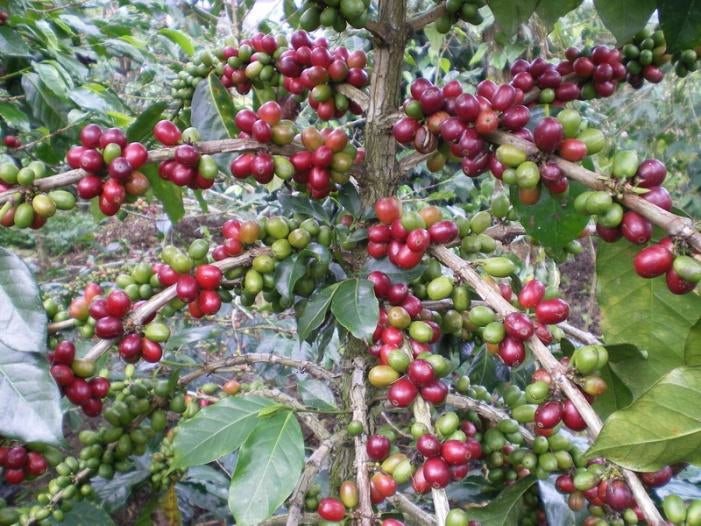
The phrase coffee bean tree describes the plant that produces coffee cherries. In reality, the coffee tree is a shrub that can thrive in high-altitude, well-drained soils like those found in Nyeri. The varieties SL-28, SL-34, and Ruiru 11 are cultivated on smaller farms that contribute to the pool of beans in a collective lot. These beans are typically Arabica, which is valued for nuanced flavors and aromatic complexity. If you’re comparing coffee beans types, note that Kenyan Arabica often leans toward vibrant acidity and fruit-forward sweetness, whereas some other origins may emphasize chocolatey or nutty notes.
Price for coffee beans varies widely based on origin, farm size, processing, and market demand. Kenyan single-origin lots, especially those from smallholders, can command premium due to quality and provenance. When you’re weighing options, consider not just the price per bag but the confidence you have in the sourcing and the roast level. For practical use, many coffee lovers find value in trying a few different lots to understand how provenance shapes flavor—and Nyeri Kamoini makes a compelling first or second choice for that exploration.
For designers and menu creators, image assets like PNGs are common, too. If you’re putting together a café menu or a blog post about Kenya Nyeri Kamoini, you might look for clear product imagery in PNG format to overlay on menus or digital posts without losing quality when scaled. The product page for this coffee includes a featured image to help you visualize the brew before you grind.
Storage, Freshness, and How to Use It
Whole-bean coffee should be stored in a cool, dark place in an airtight container. Ground coffee loses flavor faster, so grinding just before brewing helps you capture the coffee’s brightness and aroma. For best results, buy in reasonable quantities that you can use within a couple of weeks. This approach keeps your Nyeri Kamoini tasting vibrant, regardless of whether you brew it with a manual pour-over or a programmable coffee maker.
Conclusion: A Bright Kenyan Choice for Everyday Brews
Kenya Nyeri Kamoini captures the spirit of Kenyan coffee—bright, vivid, and delicately balanced with a fruit-forward sweetness. The blend of SL-28, SL-34, and Ruiru 11 from a collective of smallholders highlights how careful sourcing and washed processing can deliver a cup that’s both engaging and approachable. Whether you’re a seasoned taster or a curious newcomer, this coffee offers a reliable path to exploring Kenyan profiles with every brew.
The Complete Guide to Kenya Nyeri Ndaroini Coffee
Kenya Nyeri Ndaroini is a coffee produced by various smallholders in Nyeri County, Kenya. This lot comes from the Ndaroini area and is processed by a washed method that yields a clean, bright cup. Expect flavors described as spiced sugar, red berry, and a gentle note of ginger, with a crisp finish that lingers on the palate.
Grown at high elevations, this coffee benefits from Kenya's strict quality standards and careful processing. The beans come from a diverse group of farmers working together under Inheritance Coffee's sourcing network, ensuring traceability from farm to cup.
What Makes This Coffee Stand Out
One of the defining features is the bean's varietal blend. Kenya Nyeri Ndaroini features SL-28, SL-34, Ruiru-11, and Batian, a combination that highlights the best traits of Kenyan coffee: bright acidity, floral notes, and a structured body. The washed process helps clarity, allowing the red berry sweetness and ginger spice to shine without being overshadowed by ferment notes. This makes it a versatile choice for both filter brews and espresso attempts, depending on your roast level.
🛍️ Product
Kenya Nyeri Ndaroini
Producer: Various Smallholders Farm: Ndaroini Origin: Kenya Varietal: SL-28, SL-34, Ruiru-11, Batian Process: Washed Flavor Spiced Sugar, Red Berry, G...
by Inheritance Coffee
✓ Available
🛒
View Product
Brewing Kenya Nyeri Ndaroini for Optimal Flavor
To bring out the coffee's lively profile, start with a clean grinder and fresh water. A pour-over method is especially well-suited to this bean, letting the spiced sugar and berry notes emerge with every controlled pour. A common starting ratio is 1:16 (coffee to water) with a bloom of 30–45 seconds to release CO2, followed by steady pours until you reach your desired strength.
If you prefer immersion methods, a 4-minute French press or a carefully tuned AeroPress can also produce a bright cup with clear acidity. Keep the grind medium-coarse for immersion and medium for pour-over, adjusting grind size to reduce any perceived bitterness while preserving the beans' natural sweetness.
From Tree to Cup: Understanding Kenyan Coffee
For many readers, the idea of coffee beans online is simply a way to discover more flavors. Kenya Nyeri Ndaroini is a great example of a modern, traceable purchase you can order online from specialty roasters like Inheritance Coffee. The beans you grind and brew come from coffee bean trees—the Arabica shrubs that thrive in Kenya's high-altitude climates—where the fruit, or cherry, contains two seeds we call coffee beans.
When you explore coffee beans types, you’ll notice Kenyan coffees often rely on a few iconic cultivars. This lot lists SL-28 and SL-34, long regarded as some of the finest for aroma and brightness, along with Ruiru-11 and Batian, which bring resilience and consistent yield. Each variety contributes its own notes to the cup, making Kenyan profiles wonderfully bright with berry-like sweetness.
Prices for coffee beans online vary by origin, roast, and packaging. Premium Kenyan lots like Nyeri Ndaroini typically sit in the higher end of the spectrum, reflecting careful sourcing and smallholder collaboration. If you track pricing, you’ll find plenty of options online—from single-origin Kenyan coffees to blended offerings—allowing you to compare value, roast level, and flavor emphasis.
When you’re evaluating product images, you might search for “coffee beans png” to see transparent-background visuals you can use on your own site or menu. Clear images help convey the quality and color of the roast, reinforcing your customers’ confidence in the purchase. The Nyeri Ndaroini listing includes a product photo to give you a sense of the roast and color before you buy.
Storage and Freshness Tips
To keep the delicate flavors of this washed Kenyan coffee intact, store the beans in a cool, dark place in an airtight container. Oxygen is a enemy of freshness, so only grind what you need for each brew. For the most fragrant cup, grind just before brewing and use water that is clean and free of impurities. Whole beans are best used within 2–3 weeks of roast for optimal aroma and brightness.
Conclusion: Why Kenya Nyeri Ndaroini Belongs in Your Coffee Rotation
If you love a cup that is bright, clean, and flavorful with hints of spice and berry, this washed Kenyan offers a reliable profile that can shine across brew methods. Sourced from diverse smallholder farmers, it also supports sustainable farming practices and fair compensation across the supply chain. Whether you’re new to Kenyan coffee or expanding a curated collection, Nyeri Ndaroini is a standout choice.
Upgrade Your Ratio Coffee with the Able Basket Filter
If you’re ready to streamline your setup and explore the benefits of a basket coffee filter, this accessory is a strong candidate.
What Is Heirloom Coffee? Ethiopian Varieties, Explained
Heirloom coffee refers to Ethiopia's thousands of native wild varieties. What the term really means, how heirloom cups taste, and whether it signals quality.
How Instant Coffee is Made
The Process of Making Instant Coffee
Instant coffee is a ready-made solution for quick and convenient coffee. There's no need to brew the coffee. Just add water and you're set! But how is it made? Instant coffee is made by freezing brewed coffee, then, while in a vacuum chamber, rapidly increasing the temperature so that the ice sublimates (goes from a solid to a gas state, skipping the liquid state), stripping away the water content and leaving the soluble matter extracted from the coffee during the brew. That soluble matter is then ground into coarse chunks, similar in size to coffee grounds used for brewing coffee, except they will redissolve after coming in contact with water.
When you brew a pot of coffee at home, you're really drinking about 98% water and 2% solubles extracted from the coffee during the brew. When you enjoy an espresso at the nearby cafe, that number is closer to 9% coffee and 91% water. In some cases, that number could be as high as 20% coffee. We call that number "total dissolved solubles" (TDS), and you'll also hear coffee aficionados refer to it as "extraction" or "yield."
That's important for understanding because the brew method can impact the strength and taste of the instant coffee.
🛍️ Product
Ratio Four Coffee Machine
Meet Ratio Four: the first affordable and beautiful “half batch” pour over coffee machine. The Four is our smallest brewer yet, an agile, sleek machin...
by Ratio
✓ Available
🛒
View Product
- Brewed from espresso: more body, more bitterness, could be turned back into espresso using 30-50ml of water and 3-5g of instant.
- Brewed from drip coffee: less body, more sweetness.
The TDS also has implications on the economics and viability of instant coffee.
- Coffee brewed at 2% yield has greater clarity in taste, but is costly to produce.
- Coffee brewed at 9% yield is a happy medium in terms of flavor and versatility, but difficult to scale.
- Coffee brewed at 20% yield keeps production costs low, but muddies the flavor of the coffee.
Best Instant Coffee Brands in the Market
In terms of accessibility and affordability, Nescafe has been a leader in the instant coffee game. They were one of the first companies to go big and bring this product to shelves in every major grocer. Blue Bottle is a specialty coffee brand (acquired by Nestle in 2017) that also focused on expanding their specialty offerings to major grocers. Their product is more expensive, but is considerably more flavorful than other instant coffee producers. Black and White Coffee Roasters (North Carolina) takes it one step further by releasing only single-origin instant coffee products.
🛍️ Product
Coffee Subscription
Rotating Single Origin Coffee Delivered Monthly Our Coffee Subscription is built for people who want to keep exploring. Every month, we feature a new ...
by Inheritance Coffee
✓ Available
🛒
View Product
How to Tell if Instant Coffee is Good
Transparency and traceability are key to discerning great coffee products from mediocre ones. Most often, if a coffee roaster went through the trouble of tracing and making transparent the origin of their coffee, it means that there is a greater level of trust and accountability, both for the product, and for the company and producers involved. Looking for signs of the name of either the producer or the farm from which the coffee came would be a dead giveaway that the product will be good. Try to identify either the name of the region from which the coffee was sourced, or the name of a coffee blend used to make the instant coffee. That would be a sign of thoughtful curation, and would give some level of anchoring to an existing region or product. Second to that, look for tasting notes. Tasting notes are a sign that the roaster paid close attention to the details, and even offers a bit of a guidepost for consumers as to what type of coffee they can expect, and which drinks it might be most suitable for.
How Technology is Improving Instant Coffee
In recent years there's been a focus on aroma capture. Aroma capture refers to the brewing and processing techniques used to lock-in the volatile compounds and preserve the ideal flavors. Otherwise, there's been a general focus on quality increase across the board. Farmers are experimenting with innovative processing methods to increase the flavor and quality of their crop. That too has downstream effects on the quality of our instant coffee.
Myths About Instant Coffee
There's a perception from within the specialty coffee industry that convenient coffee products are in some way disrespectful because they lower the quality of the coffee. I think that's an outdated point of view. Convenience, as in any other industry, is an outgrowth of customer demand. At one point, our phones were connected to the walls of our homes by a physical cable. Certainly, the early versions of these products are not as high quality as their potential. However, in time, our understanding of brewing and processing techniques will grow, and the quality will improve because of it.
The Future for Instant Coffee
It's likely that a handful of well-known specialty roasters will lead the way by creating thoughtful instant coffee products. Unfortunately, most coffee roasters lack the financial and human capital required to get instant coffee products off the ground and keep them on the shelves. I'd like to see roasters experiment with additive mineralization I think you will see interesting decaf options in a way that wasn't available before. Roasters will look for ways to add value for customers, like adding tear-off condiments with each pack of instant.