Ethiopian coffee is Arabica grown in Ethiopia, almost all of it by smallholders who deliver ripe cherry to a shared processing station. It isn't a flavor category, and the region printed on a label doesn't guarantee a taste.
Key takeaways
- All of the coffee produced in Ethiopia is Arabica, grown mostly on plots of a hectare or two by farmers who deliver cherry to a station that serves the whole community.
- Ethiopia grades washed and natural coffees on different criteria, so the country's own quality system treats processing, not place, as the line that separates one coffee from another.
- The region name became the flavor word because the Ethiopian Commodity Exchange stripped finer traceability out of the trade from 2008, and the habit outlived the 2017 reforms that restored it.
Ethiopia grows one species, and almost all of it on small plots
All of it is Arabica. The USDA Foreign Agricultural Service's Ethiopia Coffee Annual, report number ET2023-0014, puts it plainly: all the coffee produced in Ethiopia is of the coffee arabica variety. That's worth stating because one of the pages currently ranking for this question tells readers otherwise, offering arabica and robusta options and putting arabica at roughly 80 percent of production. There is no robusta half of this origin to choose between.
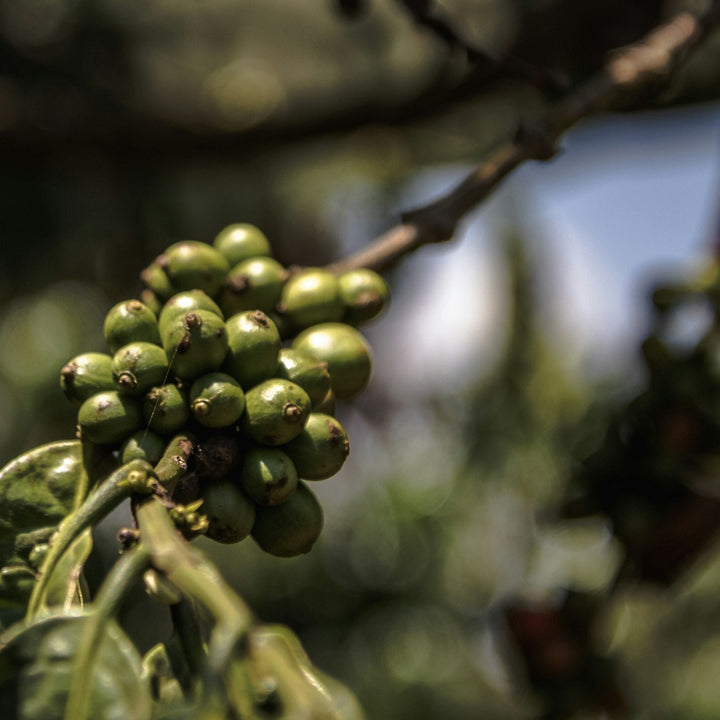
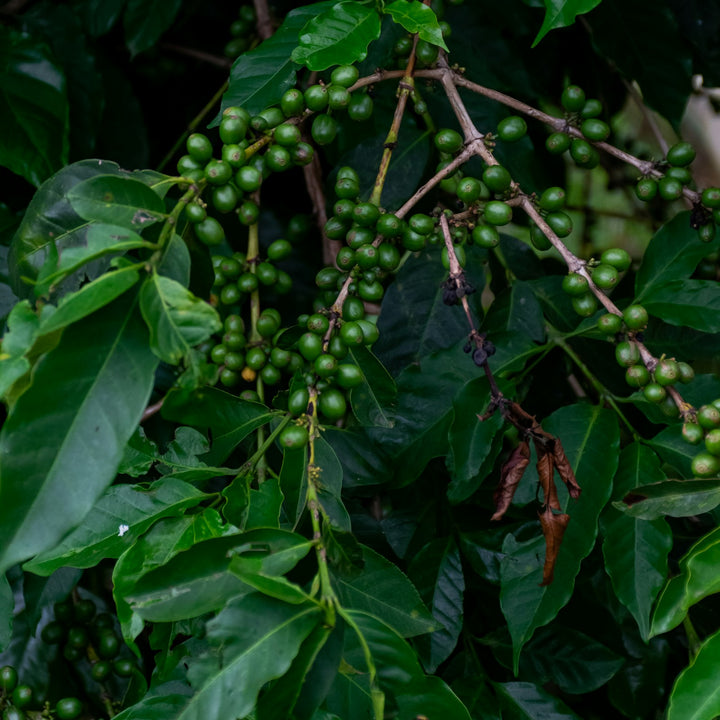
The scale is worth holding onto as well. Ethiopia is the world's fifth-largest coffee producer, and almost none of it comes off large estates. Coffee is grown on small plots, often a hectare or two, by farmers who pick ripe cherry and carry it to a washing station or drying yard shared by the whole community.
That structure is what everything else here rests on. Coffee from Ethiopia is assembled before it's sold: hundreds of farms feed one station, and the station's output is what gets a name. Our Ethiopia origin page covers the growing areas. The name that survives the assembly is usually a region, and that's where the trouble starts.
What actually changes the cup between two Ethiopian coffees
Four things do most of the work, and none of them is the region. Read them in this order: the processing method, the surface the coffee dried on, the altitude it grew at, and the grade it was assigned. A region is where those four happened. It isn't what they produced.
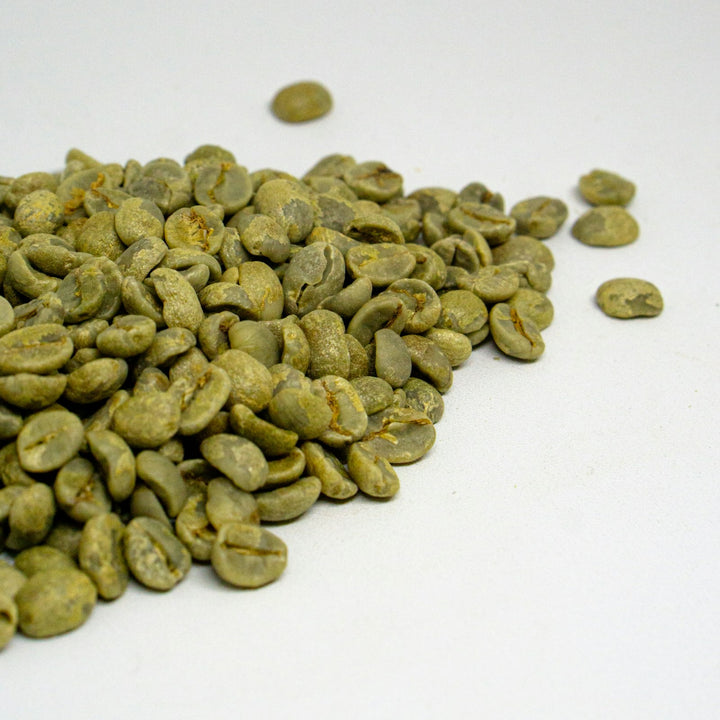
Ethiopia's own quality infrastructure sorts coffee the same way, which is the part nobody in this field mentions. The green importer and lab Royal Coffee records that washed and natural coffees are graded on slightly different scales: washed lots on defects, shape and makeup, color and odor, and naturals on defects and color only. The country doesn't run one standard with a regional footnote. It runs two lists, and processing decides which one a coffee was measured against.
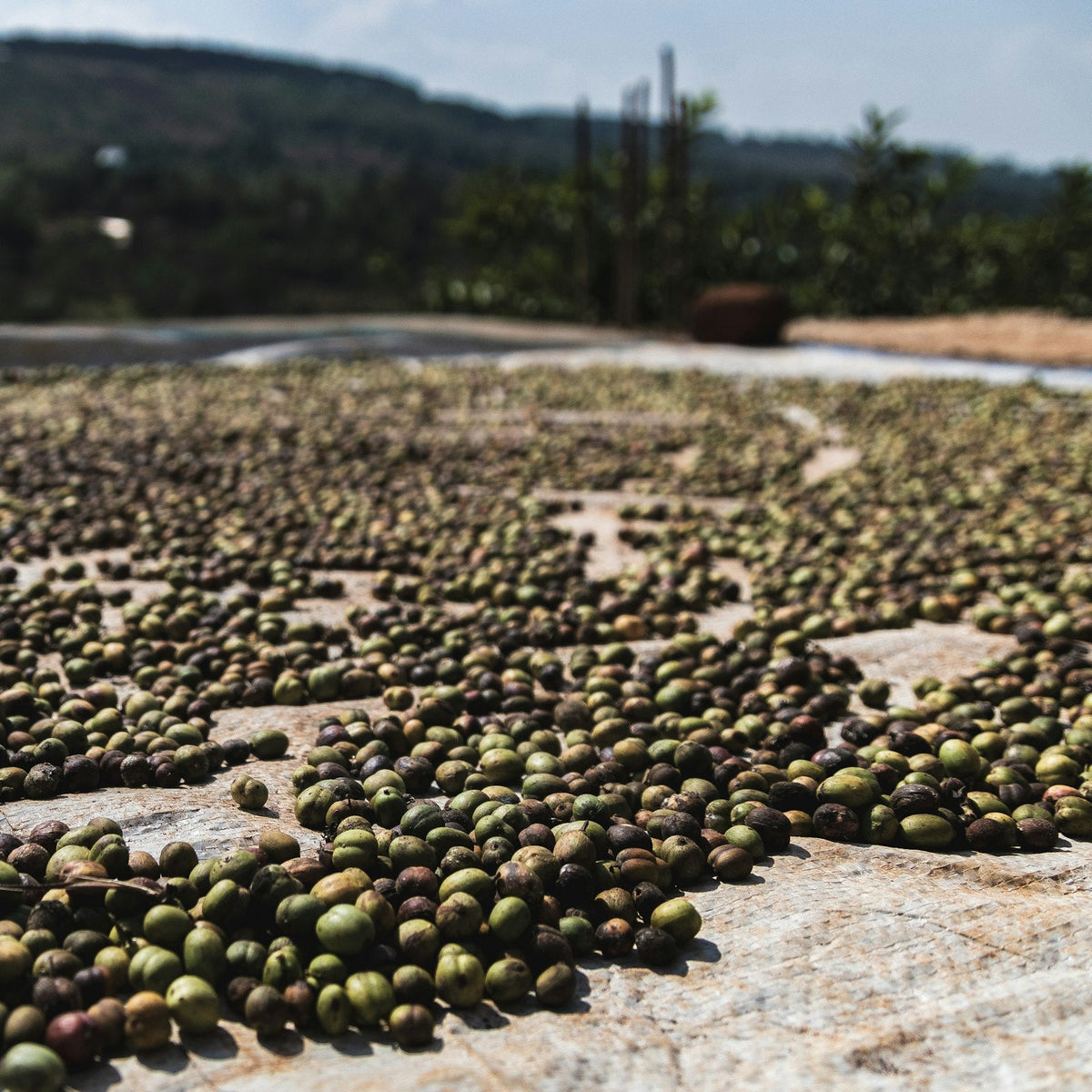
Our own record for Ethiopia Buku Abel carries two fields where most sellers carry one word. One field says how the fruit came off. The other says what the coffee dried on, which for this lot is raised beds. Those are two decisions, made weeks apart, by different people, and they land differently in the cup. A listing that compresses both into the single word "natural" has thrown away half of the specification — and even the half it keeps predicts less than most bags imply.
The region name is a trading label that outlived its system
The reason a region name became a flavor word is a trading system that stopped existing in 2017. From 2008, export coffee moved through the Ethiopian Commodity Exchange, which pooled lots for trading and, in Royal Coffee's words, eliminated traceability to individual microregions, estates, and washing stations.
Consider what that leaves a buyer holding. The farm, the station and the microregion were all gone. The regional descriptor was the only information that survived the trade, so for roughly a decade the industry learned to read Yirgacheffe or Sidamo or Harrar as a taste promise, because nothing finer was left to read. The word was doing a job no word should have to do.
Reforms in 2017 restored traceability and legalized direct trade. The information came back. The habit didn't go anywhere. Nearly every page competing for this question is still built as a list of regions with a flavor profile attached to each, which describes how this coffee was sold between 2008 and 2017 rather than what a roaster can tell you now.
What a region still tells you
It tells you something real, and it's narrower than the field claims. A region gives you a geography and a broad altitude band. Guji runs 1,800 to 2,200 meters, which is a range and not a point, and two lots inside it can sit four hundred meters apart. Jimma, over in the west, grows on a different pattern of smallholding. Neither fact is a flavor guarantee, and the three highest-ranking pages for this question hand the same region three incompatible flavor profiles without acknowledging that the others exist.
Our own lot shows why the finer unit matters. Ethiopia Buku Abel is not named for a region. Buku Abel is a community in the Guji zone where hundreds of smallholders each farm a hectare or two and deliver cherry to one processing station, at elevations above 2,000 meters. That station, rather than the zone, is why the lot tastes like one coffee instead of several hundred farms averaged together.
Variety is the one axis this article hands off rather than re-argues. Ethiopia's native populations are their own subject, and what the word heirloom coffee actually guarantees is covered separately. The same reading problem shows up on other origins under different names: Kenya's AA is a screen size doing duty as a quality claim. Royal Coffee's own caution belongs here too: regional profiles have faced unique challenges as new processing methods and styles are introduced.
How to read an Ethiopian coffee label
Read for four specifications, in this order: the processing method, the drying surface, the altitude or the named community, and the grade. A listing with all four has told you what the coffee is. A listing with a region and a string of tasting notes has told you where it came from and what someone thought of it.
The absences carry information of their own. No processing method means the seller either doesn't know or doesn't think it matters, and both answers should slow you down. No station or community name usually means the lot was bought one level up, at the region, where the trade was stuck before 2017.
Here is the honest concession. A coffee sold under a country name isn't a bad coffee. It's an unspecified one, and you're buying the roaster's judgment in place of the lot's record. Sometimes that's a fine trade. On the single origin shelf we publish the process and the origin on each product page for the opposite reason: so the decision stays yours.
Questions we get about Ethiopian coffee
Is Ethiopian coffee arabica or robusta?
It is arabica. The USDA Foreign Agricultural Service's Ethiopia Coffee Annual, report number ET2023-0014, states that all the coffee produced in Ethiopia is of the coffee arabica variety. One widely ranking guide tells readers the country offers both species and puts arabica at roughly 80 percent of production. That is wrong, and it is worth knowing before you compare two listings.
What is the difference between washed and natural Ethiopian coffee?
Washed means the fruit was stripped off the seed before drying; natural means the whole cherry dried around it. Ethiopia produces both, and the two are graded on different criteria, so the country's own system treats them as different objects rather than as two versions of one coffee. If a listing does not say which one you are buying, it has left out the first thing you would want to know.
Why does Ethiopian coffee taste fruity?
Because most of what reaches US shelves from Ethiopia dried inside the whole cherry rather than stripped of it, and fruit left on the seed for the length of drying leaves its mark. The character tracks a decision made at the processing station, not the country the station sits in. Washed lots from the same communities read differently, which is why two coffees from one region can disagree.
Is Yirgacheffe the same as Sidamo?
No, though they overlap. Yirgacheffe sits inside the broader southern growing area the trade has long labeled Sidamo, so a coffee can honestly carry either name depending on how narrowly the seller wants to describe it. Neither word tells you the processing method, the altitude, or the station that took the cherry, which is what separates one lot from another.
What does Grade 1 mean on Ethiopian coffee?
Grade 1 is the top of Ethiopia's green grading scale, and what earns it depends on how the coffee was processed. Washed lots are assessed on defects, shape and makeup, color and odor. Naturals are assessed on defects and color alone. So two listings both marked Grade 1 were measured against different lists, and which list applied is something only the processing method tells you.
Four specifications, one coffee
Ethiopia Buku Abel is what this article is asking you to look for: a natural-process lot from the Buku Abel community in the Guji zone, grown above two thousand meters, with the surface it dried on named on our own record. Four specifications, one coffee, and not one of them is the word Ethiopian.
We roast it to order every Wednesday in Pensacola and ship it within 1-2 business days of the roast.