Colombia produced 12.65 million 60-kg bags of coffee in the coffee year that ran from October 2025 to September 2026, 15% less than the 14.87 million bags of the year before, according to National Federation of Coffee Growers (FNC) figures reported by Portafolio on 9 October 2026. Germán Bahamón, the FNC's general manager, presented the balance that day in a post on X. The fall came to 2.22 million bags over the 2025-26 coffee year, Portafolio reported. That is close to the 2.32 million bags a year that the same FNC figures, as Portafolio reported them, show Colombians drink.
September 2026 was the exception. Portafolio reported output of 1.215 million bags for the month, up 6% from 1.142 million in September 2025. For January to September 2026 it reported 8.95 million bags, down 10% from 9.97 million a year earlier.
How much coffee did Colombia export?
Exports for the 2025-26 coffee year totaled 11.78 million bags, down 12% on the previous year, according to the FNC figures carried by Portafolio and by El Universal of Cartagena on 9 October. September 2026 exports rose 9% to 1.172 million bags, both papers reported. They said the FNC itself exported 2.54 million bags over the year, 21.5% of the national total, up from a 19.8% share the year before. Colombia also imported 1.61 million bags in the 12 months to September 2026, according to the same figures.
The International Coffee Organization's monthly data points the same way. Its Coffee Market Report for September 2026 said exports of Colombian Milds, the group that carries Colombia's washed arabica, fell 5.6% in August 2026, the group's tenth month of decline in the coffee year. The ICO reported that the Colombian Milds price indicator averaged 356.15 US cents per pound in September 2026, down 8.1% from August.
What did the FNC say is behind the decline?
Bahamón wrote that "los desafíos climáticos, la productividad de los cafetales y la rentabilidad de las familias productoras" will decide how well Colombia can meet international demand in the next cycle, Portafolio and Agronegocios reported. In English: climate challenges, the productivity of the coffee farms and the profitability of growing families. The FNC figures, as reported, do not break the decline down by cause.
Agronegocios, in a report by Juan Camilo Colorado on 9 October, said Bahamón raised concern about rising imports while acknowledging that some of them answer real shortages of local supply. It reported that he described the price of Colombian coffee as built on the New York exchange, the origin premium and the peso exchange rate, with production costs such as labor, fertilizer and harvesting added on top. It said he also proposed that coffee packaging show where the coffee comes from as plainly as it shows the weight. Agronegocios printed the 2025-26 fall as 2.21 million bags, a rounding difference from Portafolio's 2.22 million.
How does this fit the wider market?
Colombia's smaller year came as Brazil, the largest producer, shipped more. The ICO's September report shows Brazil's August 2026 exports in all forms at 4.28 million bags, up 34.5%, and says its composite price fell 8.7% in September 2026 as Brazil's record crop reached the market. Colombian coffee is mostly washed arabica, which the ICO prices in its own group, separate from Brazilian Naturals. The FNC's next monthly figures will cover October, the first month of the 2026-27 coffee year.
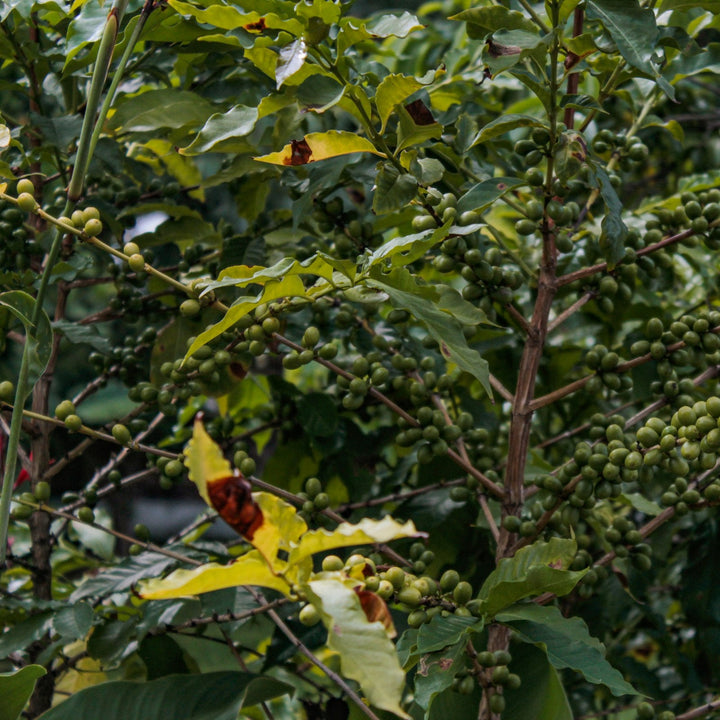
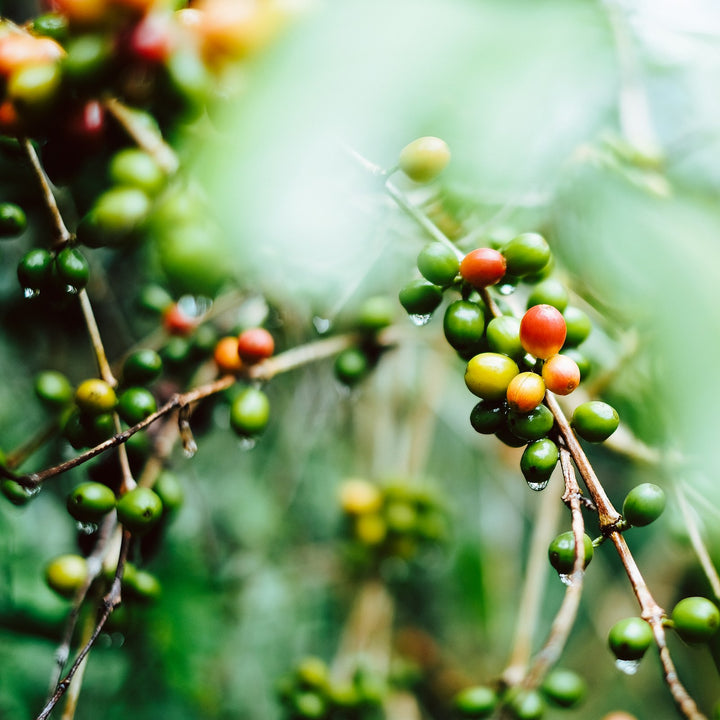
Photograph: Diego Castañeda, Unsplash, taken in Risaralda, Colombia.