El Salvador coffee is Arabica grown on volcanic mountain slopes in a small Central American country, historically washed and built on the Bourbon family. It's also, increasingly, naturally processed and planted to rust-resistant hybrids. What's in the bag has changed more than the guides describing it have.
Key takeaways
- USDA Foreign Agricultural Service forecasts Salvadoran production at 542,000 sixty-kilogram bags for marketing year 2026/27, down from 586,000 the year before.
- Processing decides more of the cup than the country does: a washed Salvadoran lot reads as chocolate, caramel and citrus, and a natural one can read as cherry and dried date.
- The Salvadoran lot on our shelf is Centroamericano H1, a first-generation hybrid released in 2010 and reproducible only from cuttings.
El Salvador grows Arabica on volcanoes, and ours sits on one in Ahuachapán
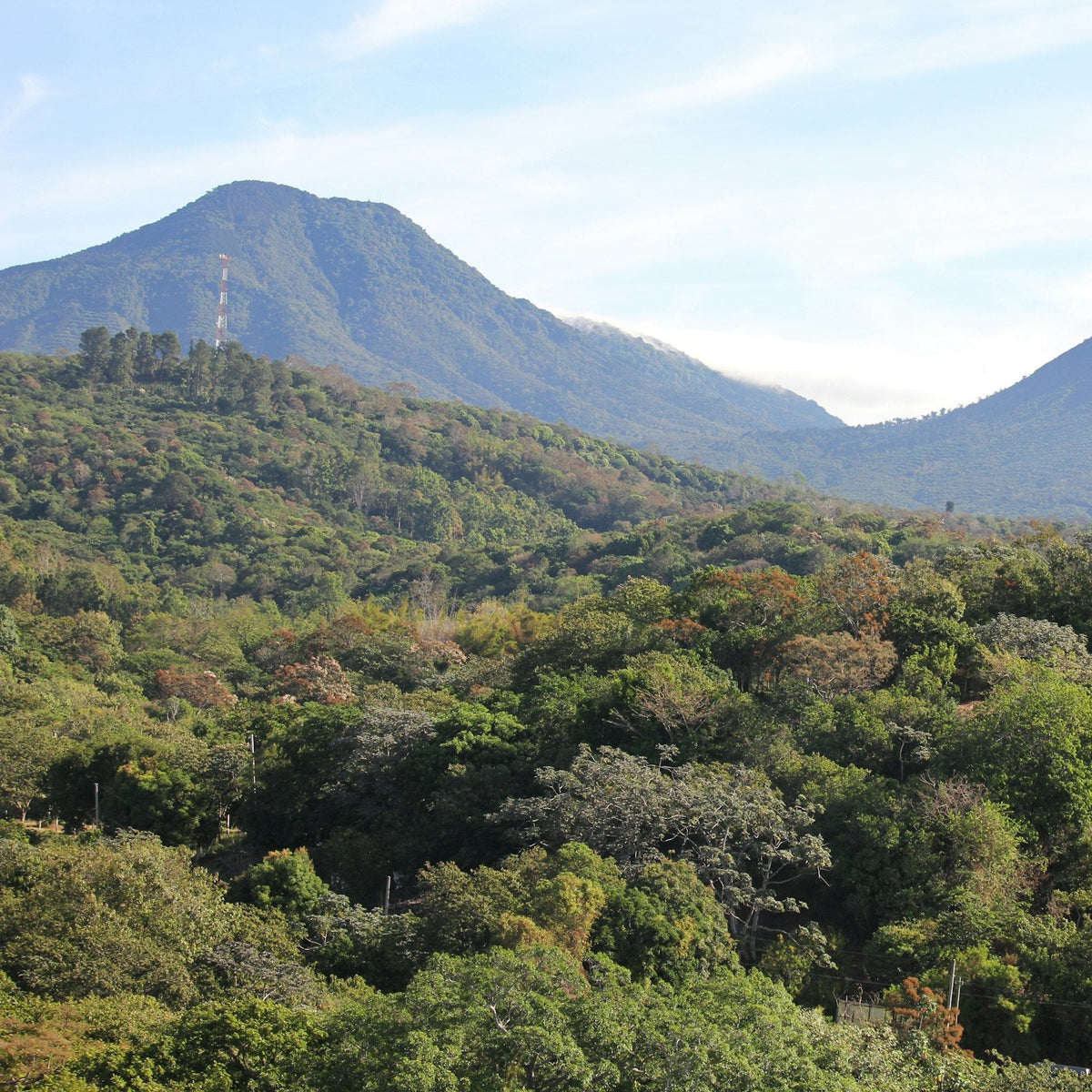
El Salvador is small and mountainous, and nearly all of its coffee grows on the slopes of the volcanic chain running the length of the country. Six growing regions are recognized, and Apaneca-Ilamatepec in the west is the largest; the department of Ahuachapán sits inside it. Most of the crop grows between roughly 1,000 and 2,000 meters, under shade, on volcanic soil. USDA Foreign Agricultural Service put the harvested area at 118,000 hectares for marketing year 2025/26.

Our Salvadoran coffee comes from Finca San Luis, near Concepción de Ataco in Ahuachapán. The estate covers about 25 hectares between 1,280 and 1,400 meters, shade-grown and hand-picked. The map sets the frame and the lot fills it in, which is the same point we made about Colombia and its growing regions. Finca San Luis is the Salvadoran coffee we currently have listed.
The country's name was made by Bourbon, and the bag on our shelf is not a Bourbon
Bourbon reached El Salvador in the nineteenth century and the country's reputation was built on it. Pacas is a natural Bourbon mutation found on a Salvadoran farm in 1949. Pacamara is a Pacas crossed with Maragogipe in 1958. Tekisic is a Bourbon selection released in 1977. Caturra and Catuaí fill in the rest.
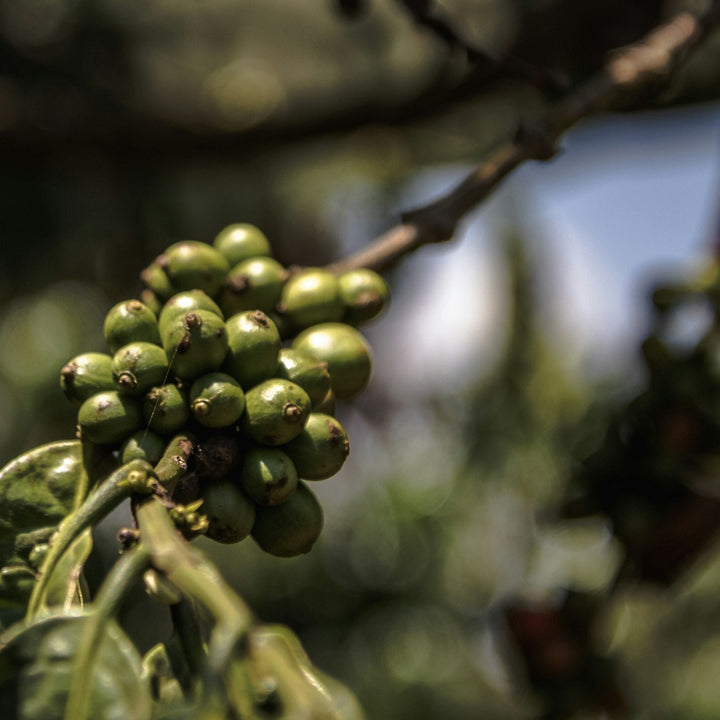
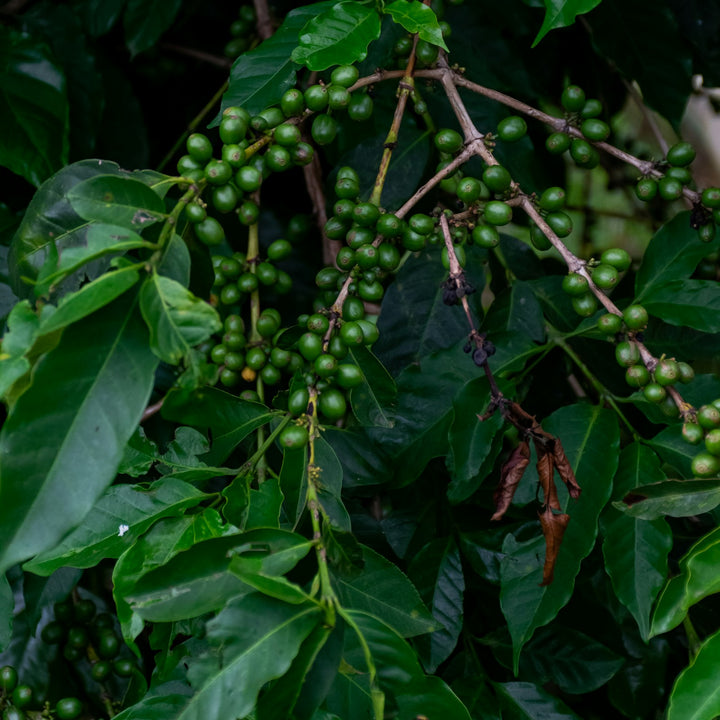
Every guide on this subject prints a version of that list and stops. Our coffee isn't on it. El Salvador Finca San Luis is Centroamericano H1, a first-generation hybrid of Sarchimor T5296 and Rume Sudan, released in 2010 by a breeding consortium of CIRAD, CATIE, ICAFE, IHCAFE, PROCAFE and ANACAFE. World Coffee Research rates it highly resistant to coffee leaf rust and records breeding trials showing production increases of 22 to 47 percent over standard Central American varieties. Seed from an F1 hybrid segregates, so H1 is reproduced only by clonal propagation: every tree is a cutting.
It was bred for rust resistance, and the epidemic that tore through Central America from 2012 is why it spread rather than why it exists. That puts it at the opposite pole from the uncatalogued Ethiopian landraces the trade calls heirloom, which nobody bred and nobody can name.
Processing moves a Salvadoran cup further than the region does
El Salvador coffee earned its reputation for clean, balanced cups honestly, because washing is the country's tradition and still its majority. Washing is built to get out of the way, which is why washed Salvadoran coffee reads as chocolate, caramel and citrus on almost every reference page. Natural and honey lots have become common in the specialty sector over the last decade, and they don't taste like that.
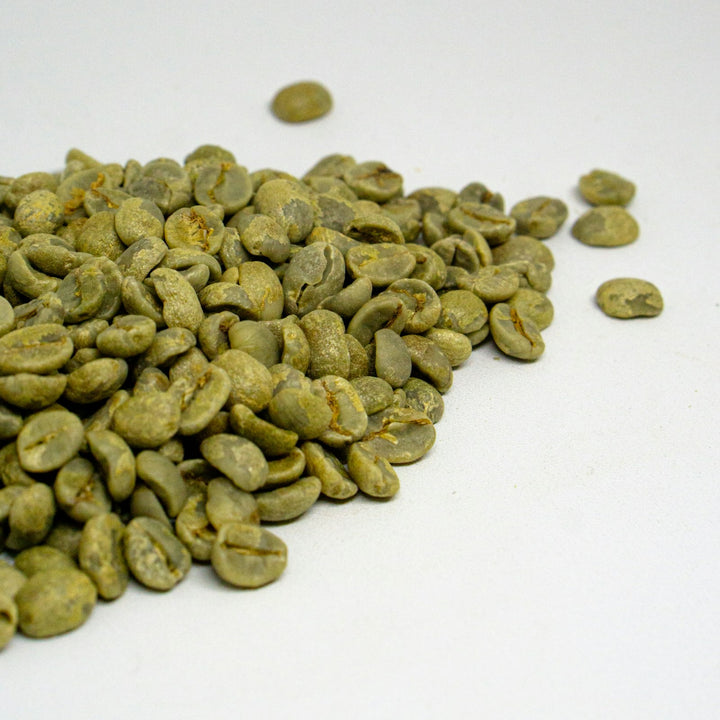
Finca San Luis is a natural, dried on raised beds with the whole cherry intact, so the fruit stays on the seed for the entire drying period. Its five published tasting notes are Cherry Wine, Earthy Cacao, Dried Date, Baking chocolate and Brazil nut. That's a different cup from the one the country is known for, and neither description is wrong. Processing moved this coffee further than the border did — which is the argument we make at length in what natural process coffee actually tells you.
Production is falling, and the reason the guides give is a decade out of date
USDA Foreign Agricultural Service, in its Coffee Annual for El Salvador, report ES2026-0004, published 20 April 2026, forecasts production of 542,000 sixty-kilogram bags for marketing year 2026/27, down from 586,000 the year before, on harvested area that stays flat at 118,000 hectares. Fewer bags off the same ground.
That report names its causes: El Niño weather, labor shortages driven by migration from rural areas to urban centers, recurrent drought and flooding, and port logistics. Coffee leaf rust is not on the list.
Rust belongs to the longer history. It hit Central America hard in the 2010s and it is why varieties like Centroamericano H1 spread across the region; the civil war years reshaped the industry before that. But the explanation in general circulation reaches for rust and stops, and the most recent primary source does not reach for it at all.
We publish what we paid for the green coffee and what it scored, including the number that does not flatter us
We paid $7.45 a pound for this coffee green, and the figure is printed on the product page rather than kept in a spreadsheet. Some of the coffees you can buy from us today carry one. Green cost is what the unroasted coffee cost us before roasting and packaging, so it isn't a shelf price and it doesn't turn into one by arithmetic. It's also the number that decides how much unroasted coffee a roaster can afford to hold.
The cup score is the more interesting half. El Salvador Finca San Luis scores 86.8. That's the lowest number on our shelf, a few slots below a 92.3, and it stays on the page. A score you publish only when it flatters you is not a score. Both figures happen to be the lowest on our shelf, and one doesn't explain the other.
Beside them the store publishes the whole chain: origin El Salvador, region Ahuachapán, estate Finca San Luis, producer Luis Duarte, cultivar Centroamericano H1, natural process, raised-bed drying. The roast is a medium, and that level is not a matter of taste. It's assigned from measured ground color on the Agtron scale, classified against the SCA's roast color classification. We didn't draw that line; the SCA did. The same standard decides what counts as a light roast. The lot is marked best for espresso.
Questions we get about El Salvador coffee
What does El Salvador coffee taste like?
Most of it tastes sweet, clean and balanced, with milk chocolate, caramel and a citrus brightness, because most Salvadoran coffee is washed and comes from the Bourbon family. Processing moves the cup further than the country does, though. Our own Salvadoran lot is naturally processed and cups as Cherry Wine, Earthy Cacao, Dried Date, Baking chocolate and Brazil nut.
What coffee varieties grow in El Salvador?
Bourbon and its descendants dominate: Pacas, a natural Bourbon mutation found on a Salvadoran farm in 1949; Pacamara, a Pacas and Maragogipe cross from 1958; and Tekisic, a Bourbon selection released in 1977. Caturra and Catuaí are also widely planted. Rust-resistant hybrids now grow alongside them, including Centroamericano H1, which is the variety in our own Salvadoran lot.
How is coffee processed in El Salvador?
Washed processing is the tradition and still the majority: cherries are pulped, fermented, washed and then dried. Natural and honey lots have become common in the specialty sector over the last decade. Finca San Luis is a natural, which means the whole cherry dries with the fruit still on the seed, on raised beds, and that is where its cherry and dried-date character comes from.
Why has El Salvador's coffee production fallen?
The most recent primary source blames weather, labor and logistics rather than disease. USDA Foreign Agricultural Service forecasts 542,000 sixty-kilogram bags for marketing year 2026/27, down from 586,000, and names El Niño weather, labor shortages driven by migration from rural areas to urban centers, recurrent drought and flooding, and port logistics. Coffee leaf rust shaped the 2010s; it is not what the current report blames.
Is El Salvador coffee good?
Yes, and the word belongs to the lot rather than to the country. Salvadoran coffee is capable of very high quality and is uneven at the commodity end, which is true of most origins. Our own Salvadoran lot scores 86.8, comfortably inside specialty territory and the lowest score on our shelf, and we publish it next to the coffees that beat it.
What roast level suits El Salvador coffee?
There is no country-wide answer, because the lot decides it. Inheritance roasts Finca San Luis to a medium and marks it best for espresso, which suits a natural-processed coffee carrying that much dried fruit. The roast level is not a guess or a house opinion: it is assigned from measured ground color, classified against the SCA's roast color classification.
Start with Finca San Luis if you want to taste the argument
The country sets the geography; the variety and the processing set the cup. The way to test that is to drink a Salvadoran coffee that misbehaves. El Salvador Finca San Luis is on the shelf now: Centroamericano H1 grown by Luis Duarte in Ahuachapán, naturally processed, dried on raised beds, roasted to a medium, scored at 86.8, with the green cost printed underneath. We roast to order every Wednesday in Pensacola and grind it to your brewer at no charge.
If what you want is the clean chocolate-and-caramel cup that made the country's name, this isn't that coffee. If you want to know what El Salvador is actually planting and drying now, this is the bag.