Taste
What Does Malic Acid Taste Like in Coffee?
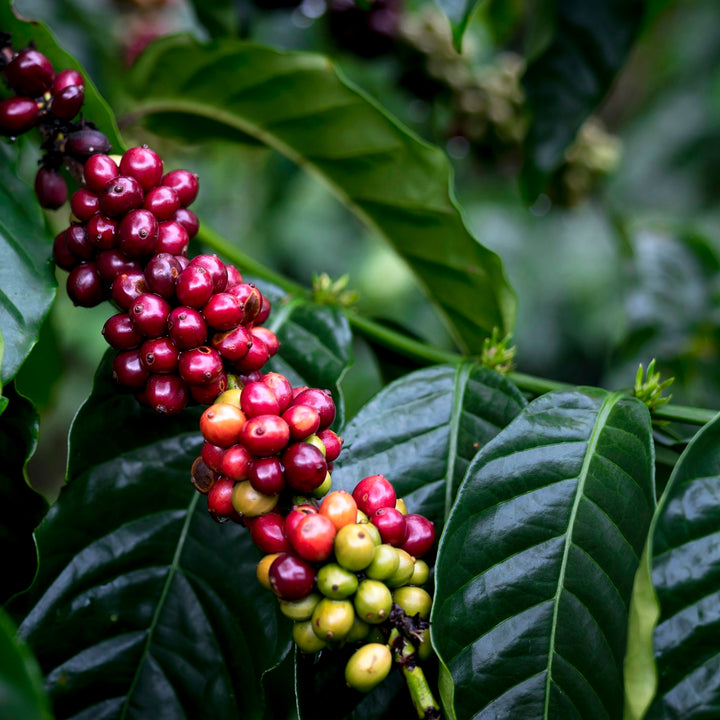
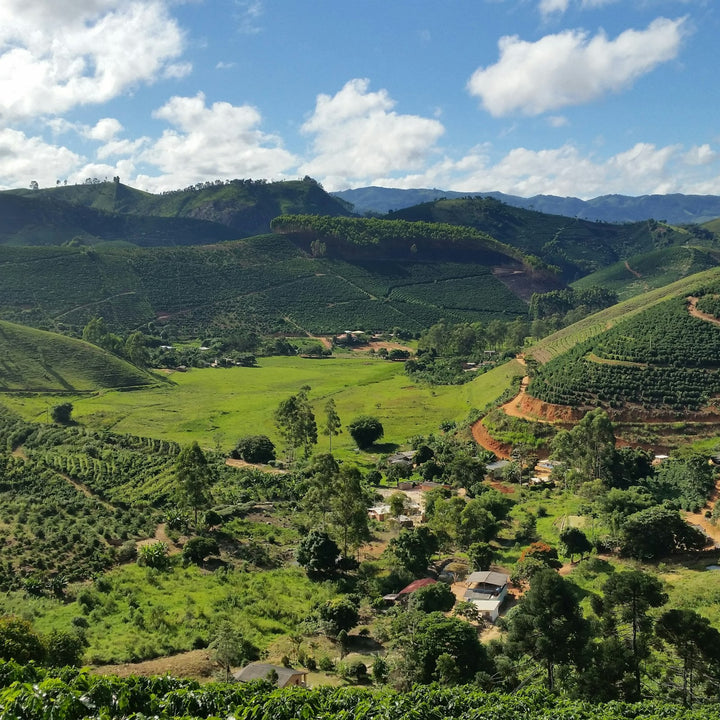
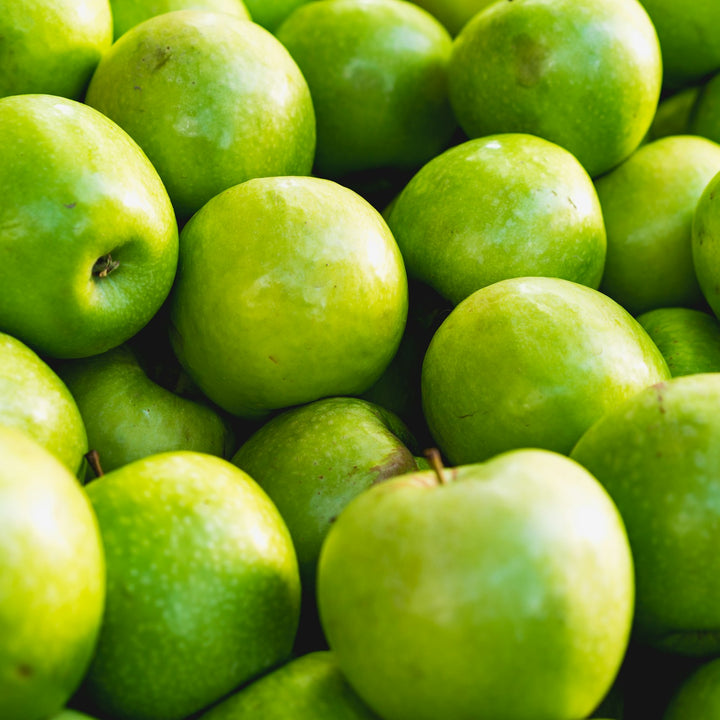
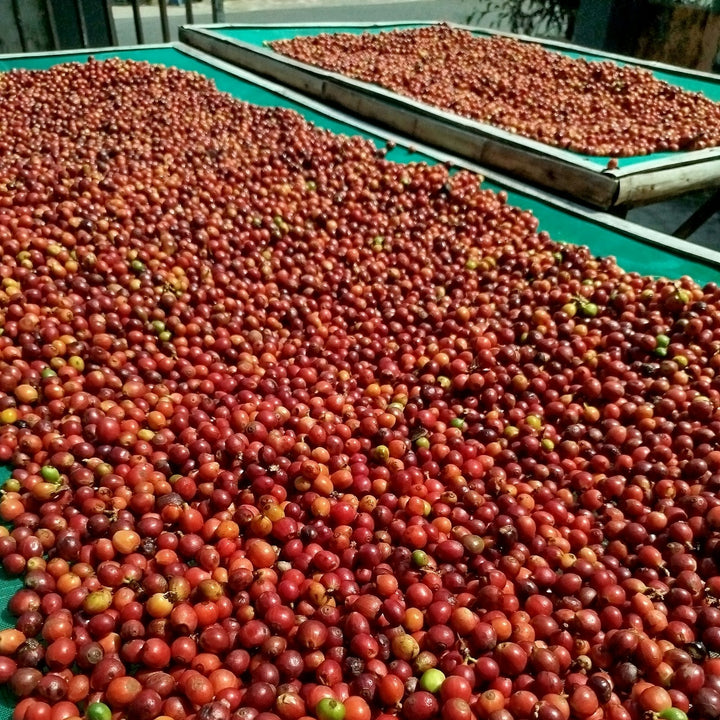
Citric acid flashes and fades. Malic acid, the slower acid altitude builds into high-grown lots like Kenya Kiambu, coats the tongue and lingers for up to thirty seconds.


Your cart is empty
Notes from the roastery: what we buy, how we roast it, and what we have learned building coffee programs on the Gulf Coast.
Tagged “cultivars” · see all of Learn
Citric acid flashes and fades. Malic acid, the slower acid altitude builds into high-grown lots like Kenya Kiambu, coats the tongue and lingers for up to thirty seconds.
One 1920s arabica-robusta cross gave coffee its rust resistance. The genetics behind Catimor, Sarchimor, and two coffees on our own shelf, explained.
Liberica and excelsa were treated as one species on paper since 2006. A 2025 genomic study says that was wrong, and names a third, largely unknown coffee species: Coff...
A landrace isn't wild coffee and it isn't a named variety like SL-28. It's a crop population farmers keep reselecting without a formal breeding program, and it's what ...
Robusta is not a variety of arabica. It is Coffea canephora, a separate species with half the chromosomes and a different way of making seed, and it is also one of ara...
A varietal is the kind of coffee plant the seed came from. The harder question is what that name is standing in for, because the same line on a bag can hold a named se...
Growing higher raises the sugar in a coffee seed by a large, measurable amount. Elevation is standing in for temperature, and the grade on the bag certifies the farm r...
Malic acid is really in the cup, and measured against its own detection threshold there is usually too little of it to pick out. Where it comes from, why it got the ap...
Natural process names an operation performed at origin. Four naturals on one shelf run from mango and papaya to milk chocolate and roasted almond, which is what the wo...
Kenya's grading letters measure the bean, not the cup. Here is how the country description holds up against one bag we actually bought, published notes and all.
Brazil grows more coffee than anyone else, which is why the word on the bag spans a wider range of quality than any other origin. Two reputations, both honestly report...
Peru is planted to older trees than almost anywhere else, and that single fact runs through everything: the yields, the rust, the organic certification, and the price ...
El Salvador built its name on washed Bourbon. What the country plants and dries now has moved further than the guides describing it, and our own lot is the proof.